Germany and Austria’s parts sector is being reshaped this year by two very different but tightly connected trends: foreign capital consolidating wiring‑harness capacity, and legacy tier groups refocusing operations while locking in cheaper, greener power. Both moves matter to OEM purchasing teams, dealers and local workforces because they change control, costs and where parts and energy are anchored for the carmakers in DE & AT.
Luxshare deepens control of a German wiring champion
On 29 April 2026 Luxshare increased its shareholding in Leoni AG by buying a further 24.8 percentage points from co‑owner Stefan Pierer, raising its stake to 74.9% (Pierer retains 25.1%). The company said the deal was a cash transaction and left management and supervisory boards unchanged. LEONI remains a major wiring‑harness and cable supplier to European OEMs, with a dense site network across Germany and Europe (headquarters Nuremberg; plants including Kitzingen, Neu‑Ulm and others are listed by the company).
For German and Austrian carmakers and fleets this completes a second phase of consolidation: wiring harness technology and scale are now inside a larger electronics and connector group led from Asia. LEONI’s public statements stress continuity of customer and supplier contracts, but the shift increases the leverage of a supplier whose procurement, product roadmaps and site decisions will now be aligned with a global electronics owner.
Continental’s split — private equity buyer and an energy bet
Continental signed an agreement in early July 2026 to sell its ContiTech group sector to an affiliate of Lone Star Funds at an enterprise valuation of €4.0 billion, plus potential earn‑outs of up to €250 million. The deal is subject to regulatory clearance and standard closing conditions. Continental said the sale is part of completing its strategic realignment to focus on tires.
That corporate reshuffle comes alongside operational measures: ContiTech has been implementing a cost programme that includes workforce reductions and a negotiated social plan in Germany after management and employee representatives reached an agreement in May 2026. The ContiTech measures have been framed as necessary to restore competitiveness while the unit is readied for the sale.
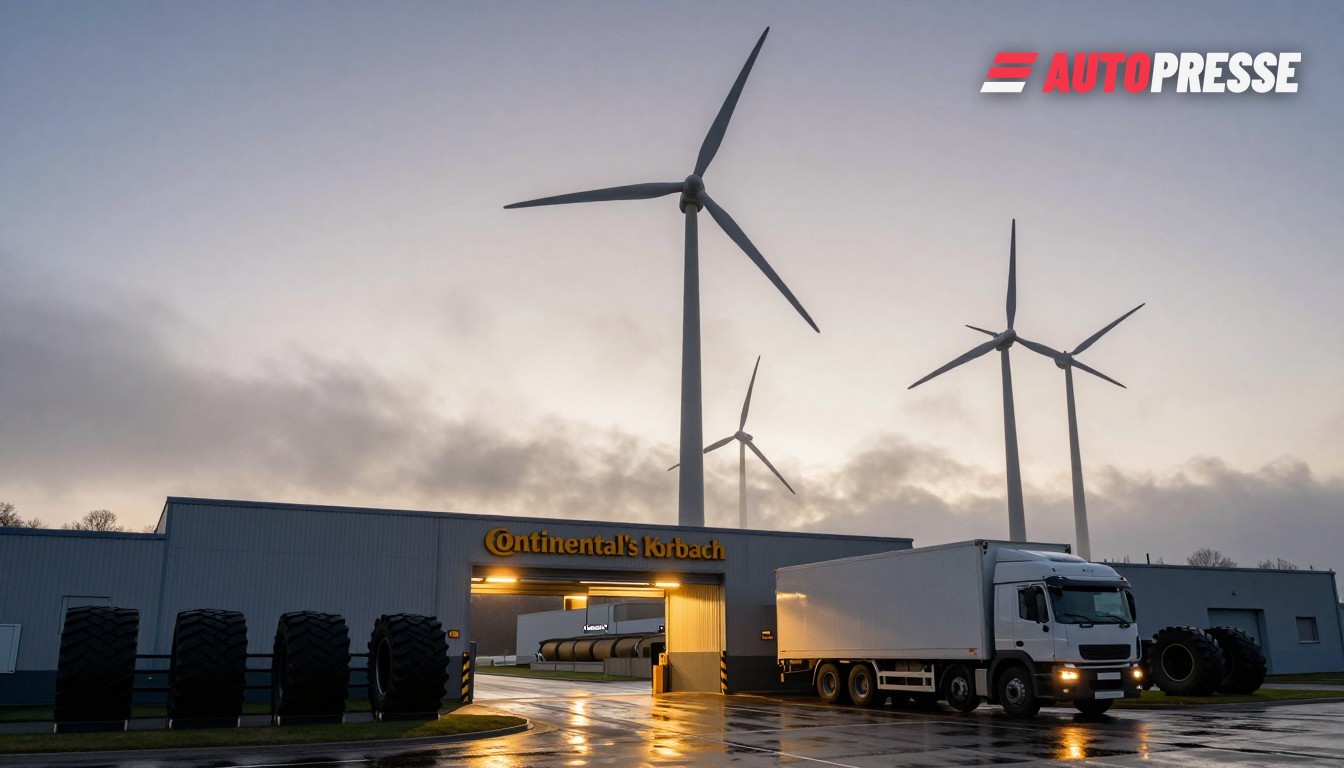
At the same time Continental’s Tires group is securing its energy base. In July 2026 Continental announced it will build its first company‑owned wind farm near the tire plant in Korbach (Hesse) — a Nordex order will deliver three turbines to provide roughly 20 MW of capacity and, together with photovoltaics, should cover around two‑thirds of the plant’s electricity demand when complete. Continental says the move will lower exposure to volatile energy markets and improve cost competitiveness for German tire production.
What this means for the market
These changes make two clear points for Germany and Austria. First, strategic ownership is shifting: wiring and electronics capability is increasingly embedded in global electronics players (Luxshare/LEONI), which can alter sourcing windows, lead times and local investment choices for OEMs in DE & AT. Second, large suppliers are actively de‑risking energy and balance‑sheet exposure — whether by selling non‑core industrial units to financial buyers or by building on‑site renewables to cut operating costs. For buyers and tier‑2 suppliers that means negotiating not just price and quality but energy clauses, continuity guarantees and change‑of‑control protections when they contract with major tiers.
For employees and regional economies the effects will be mixed: new owners may stabilise investment but private equity ownership often brings restructuring and a faster drive to margin, while energy investments such as the Korbach wind park preserve local production competitiveness — a trade‑off German and Austrian municipalities will watch closely.
B2B vehicles and trading on WorldTrader24 →
Sources: LEONI, Continental AG, Nordex, Lone Star Funds, Reuters