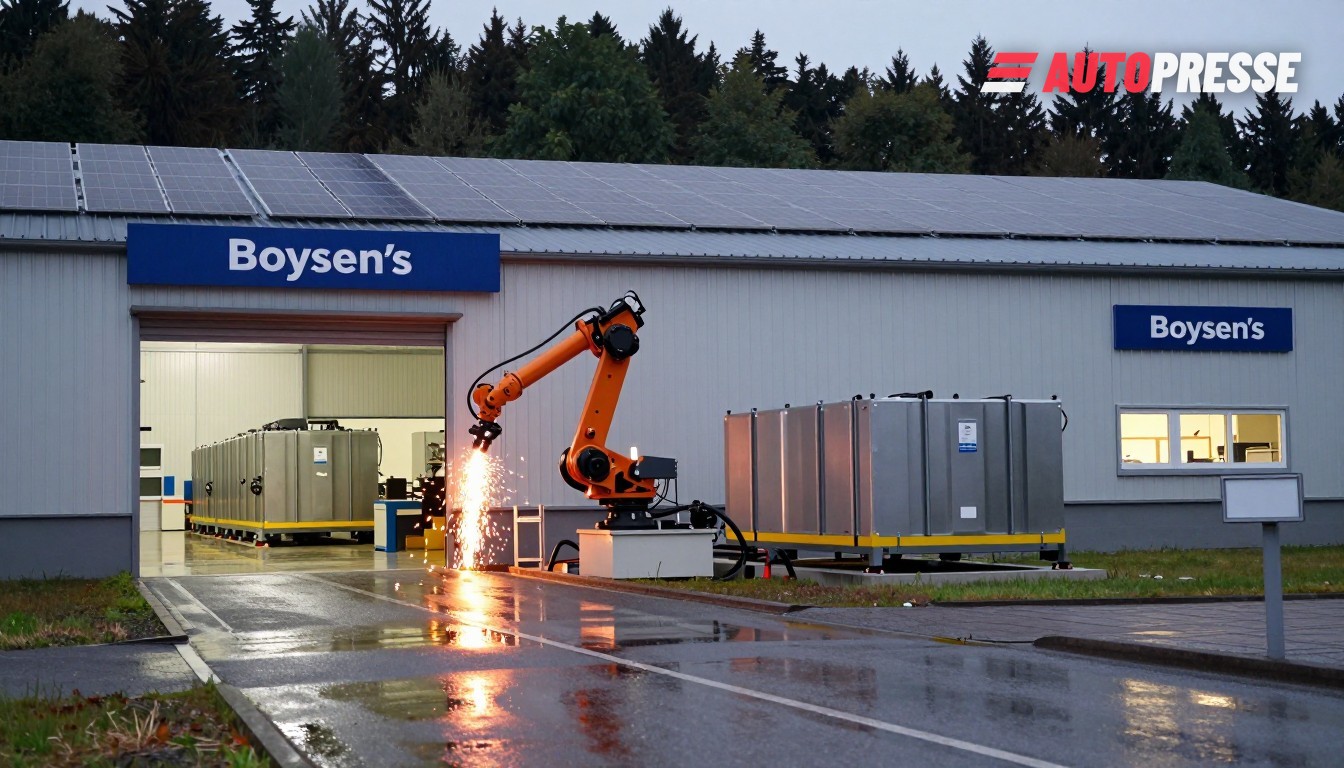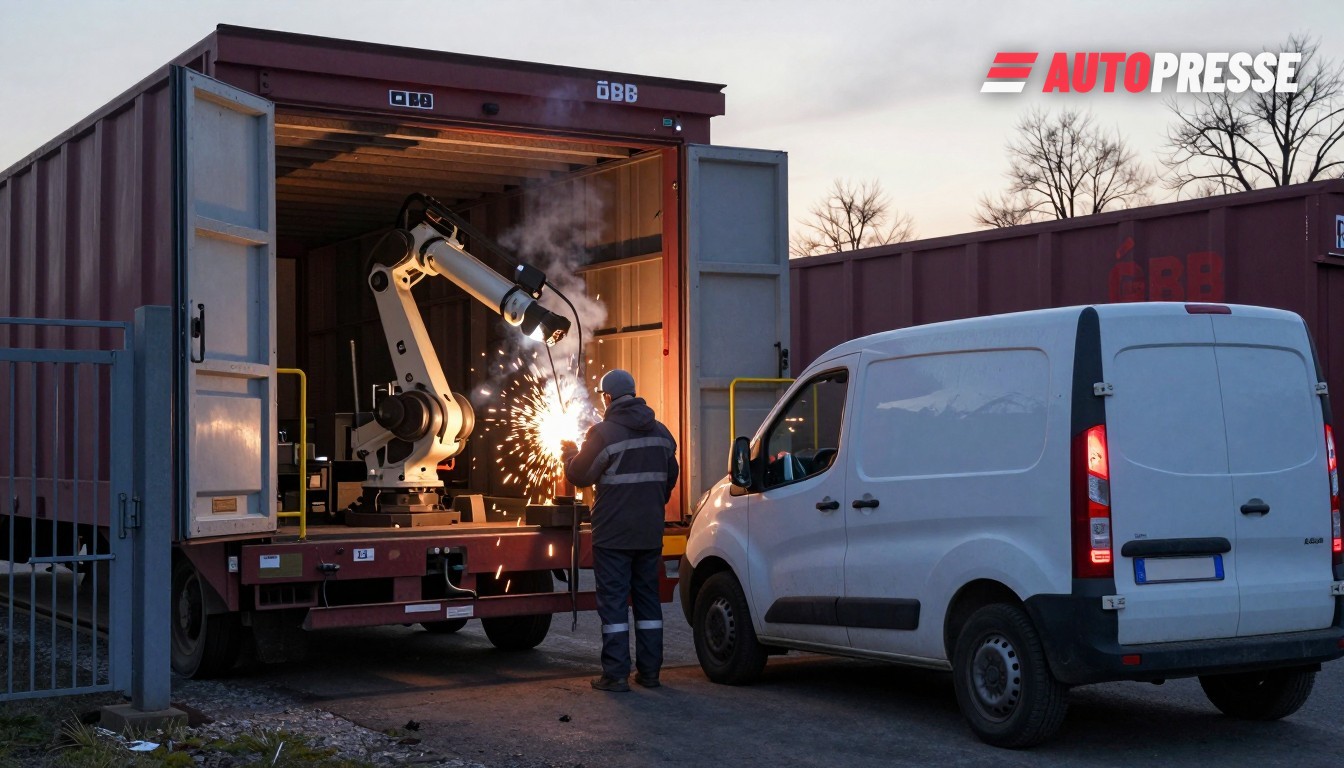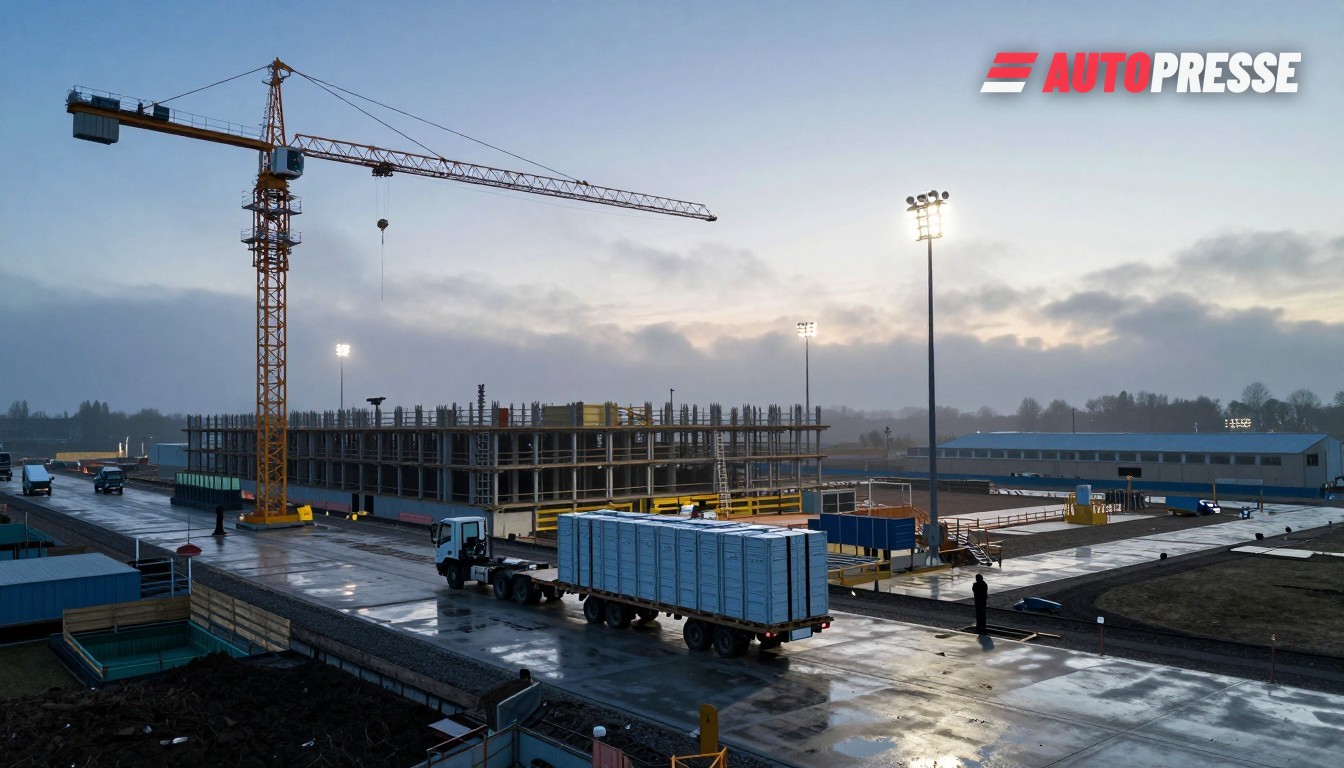
Drivers, dealers and plant workers across Germany and Austria will feel a less‑obvious ripple from Siemens’ recent factory expansion: more domestic switchgear production means new orders for copper, insulating materials, vacuum interrupters, protection relays and test services — and faster aftermarket support for e‑mobility, data‑centre and grid projects. The investment, announced 1 July 2026, is explicitly aimed at scaling production for data centres, e‑mobility and industrial electrification and starts construction in July 2026 with a staged ramp to production in spring 2027.
Siemens’ plan: facts and timeline
Siemens said it will invest €300 million to expand its switchgear capacity by enlarging two Frankfurt plants and building a new supplier facility in Offenbach; construction began in July 2026 and Siemens expects the Offenbach line to start production in spring 2027. The company expects the programme to create around 700 jobs across the sites by the end of 2030. “This investment will enable us to strengthen our leading role in the technologies that will form the backbone of tomorrow’s industries,” the company said when announcing the plan on 1 July 2026.
The expansion is timed with regulatory and market drivers. The EU’s revised F‑gas Regulation (Regulation (EU) 2024/573) restricts the placing into operation of new SF6‑based medium‑voltage switchgear in defined voltage bands (rules phased between 2026 and 2032), accelerating demand for SF6‑free designs and retrofits. That regulatory timetable pushes utilities, integrators and industrial customers to source new types of switchgear from European manufacturers.
What this means for the market
For German and Austrian suppliers the immediate effects are practical: longer component purchase orders, qualification rounds from a large OEM, and an uptick in testing, retrofit and aftermarket contracts. Medium‑voltage switchgear production relies on grain‑oriented electrical steel, copper windings, vacuum interrupters, protection relays, and specialised insulation materials — many of which are supplied by European niche manufacturers and contract producers in Austria and southern Germany. Lead times for custom engineered units have already stretched to 20–30 weeks in 2025–26, so higher local capacity should shorten delivery cycles for urgent grid and charging projects.
Opportunities split into three supplier groups: (1) component makers (vacuum interrupters, relays, moulded parts, connectors); (2) material suppliers (copper, insulating polymers, electrical‑steel laminations); and (3) service and test providers (type testing, FAT, commissioning and retrofit teams). Austria’s strong cluster for transformer bushings and specialised electrical parts means Austrian tier‑suppliers are likely to win framework work for bushings and retrofit kits, while German subcontractors will pick up higher‑volume panel assembly and digital protection modules.
Two caveats for suppliers: OEM qualification cycles and regulatory conformity (SF6‑free solutions and CE/type testing) will lengthen procurement lead times; and many buyers continue to expect tight pricing. Still, Siemens’ decision to concentrate more switchgear production in the Frankfurt Rhine‑Main region is a clear near‑term demand signal for component shops, cable and wiring harness makers, and local test labs in both Germany and Austria.
B2B vehicle listings on WorldTrader24 →
Sources: Siemens press release/industrial reporting, Eurofound (ERM), IndexBox switchgear reports, EUR‑Lex (EU F‑gas Regulation).