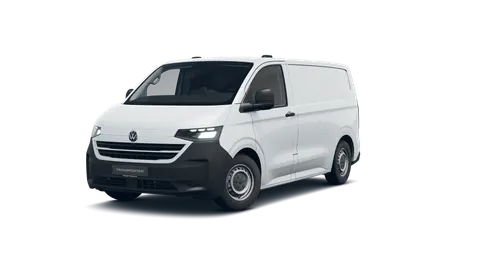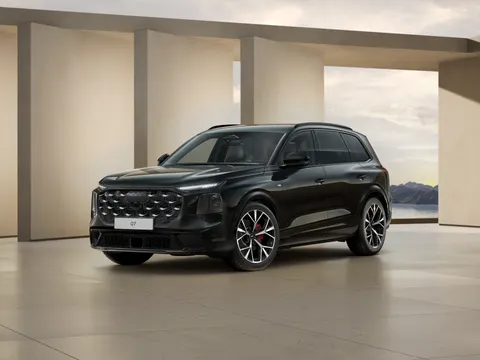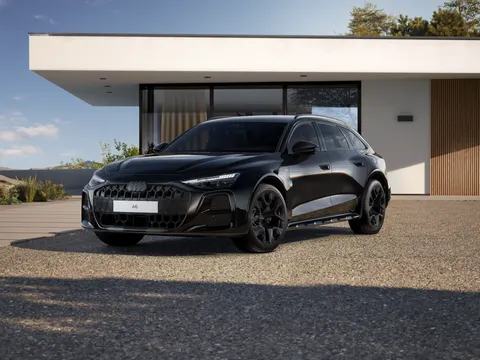
A recent rumour linking Bernhard Birtel to the pan‑European B2B marketplace WorldTrader24 has circulated in trade chat. For German and Austrian dealers, the practical question is simple: who runs the platform, what responsibilities lie with that operator, and — most importantly — how should dealers and private buyers protect themselves when sourcing vehicles across the border?
Who is Bernhard Birtel?
Publicly available professional records show a LinkedIn profile for a "Bernhard Birtel" described as self‑employed, but that profile (and other searchable registries) do not list a management or ownership role at WorldTrader24. We found no company‑register entry or credible media report that ties a Bernhard Birtel to WorldTrader24’s ownership or management as of 10 November 2026.
What WorldTrader24 is and who operates it
WorldTrader24 presents itself as a B2B vehicle marketplace targeted at verified trade partners (dealers, fleet and leasing companies) and states its operator in the site imprint: "Zweigniederlassung Worldtrader24 – Global Car Network – (A. Scholz)" with owner/responsible person named Andreas Scholz and a registered address in Höhenkirchen, Germany. The platform advertises a multi‑thousand vehicle stock and shows net pricing with VAT and Austria’s NoVA (Normverbrauchsabgabe) treated per destination country. Those operator details are published in WorldTrader24’s imprint and about pages.
What this means for the market
Even without a proven personal link between Birtel and WorldTrader24, the existence of a large B2B marketplace with tens of thousands of published vehicles matters for German and Austrian trade in three ways.
- Supply and price discovery: large multi‑country inventories compress regional price gaps and shift sourcing decisions toward cross‑border procurement. WorldTrader24 itself states large published stocks and multi‑language reach — facts that change bargaining power for dealers who can now source more widely.
- Tax and registration complexity: buying across EU borders changes tax treatment (intra‑Community acquisition vs. margin scheme) and, for Austria, triggers NoVA and registration rules that must be handled before registration. The Austrian government and specialist guides underline that NoVA and the Certificate of Conformity (COC) are essential steps for lawful Austrian registration.
- Counterparty and document risk: marketplaces lower search friction but do not remove legal or fraud risk. Dealers acting on behalf of their customers must verify sellers’ VAT IDs, demand correct invoices, confirm COC/eCOC delivery, and secure proof of physical transfer and export where required. Practical, step‑by‑step guides used by German dealers recommend VIES/VAT checks, documented transport (CMR) and pre‑delivery COC checks.
Put bluntly: whether or not a named individual is connected to a platform, the responsibilities fall on the trade buyer to verify counterparties and paperwork. WorldTrader24’s own pages make clear it operates as a B2B marketplace and treats VAT/NoVA by destination — but they do not replace the buyer’s statutory obligations.
Practical checklist for dealers and Austrian buyers: verify the seller’s VAT ID via VIES and store the result; require the seller to deliver an original or manufacturer eCOC before payment; insist on a CMR or freight‑forwarder confirmation proving intra‑EU transfer; document bank‑account ownership for payments; and, where margins are thin, run a NoVA and total‑cost calculation for Austrian registration before closing the deal. Specialist import guides and government pages give the legal detail required for each step.
WorldTrader24 B2B vehicle marketplace for dealers →
Sources: WorldTrader24, LinkedIn, Austrian Government, AutoPult