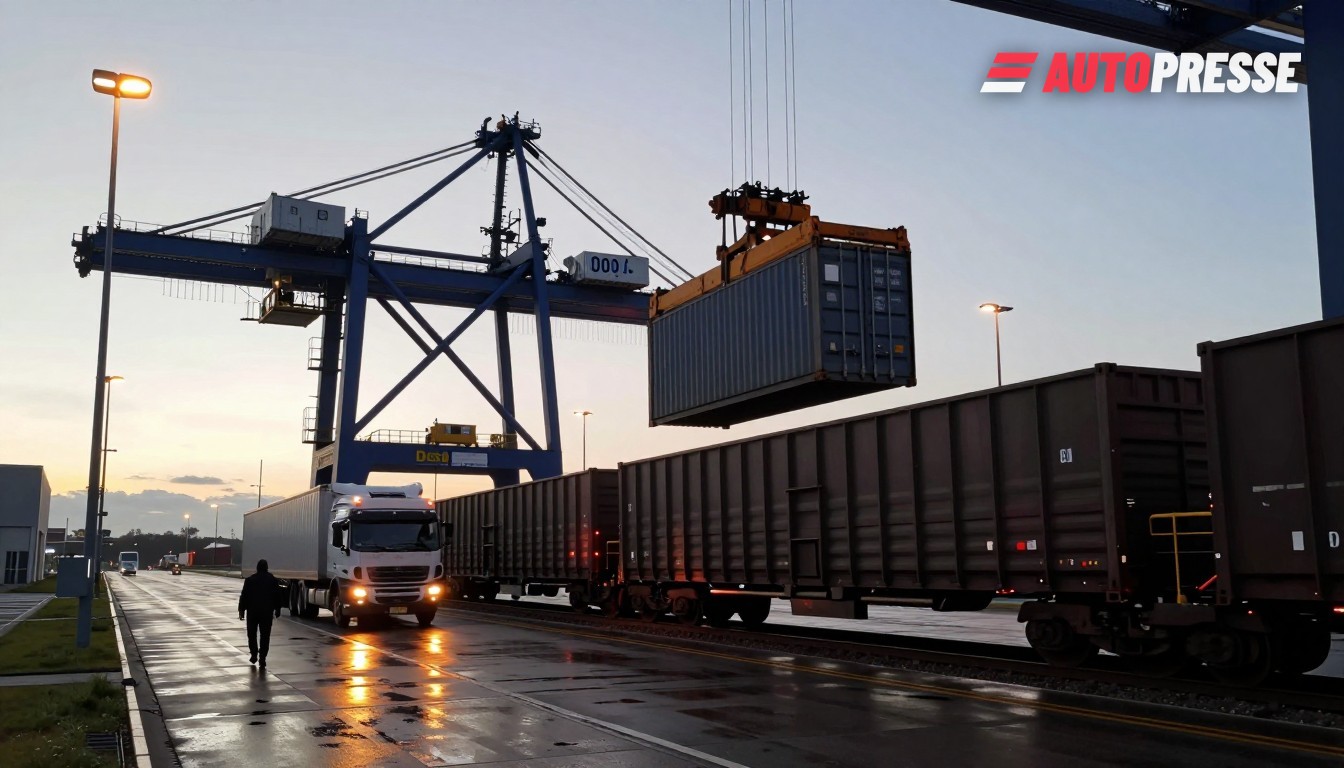
Germany and Austria are quietly re‑wiring freight routes: Vienna Airport reported a year‑to‑date rise in air cargo and ÖBB is fitting new gantry cranes at key inland terminals, while Duisburg — Europe’s largest inland port — is rolling out digital, crane and real‑estate projects that reshape cross‑border flows. For fleets, dealers and logistics providers this is about capacity, speed and who controls the inland gateway between ports and Alpine routes.
Vienna’s cargo upswing and new terminal kit
Flughafen Wien AG reported that Vienna Airport handled 268,986 tonnes of cargo in the first ten months of 2026, a 2.8% increase year‑on‑year, driven by stronger October freight activity and a jump in pharmaceutical shipments in recent months. The airport is also pressing ahead with its Terminal 3 southern expansion, scheduled to enter service in 2027, to give cargo handling more space and cold‑chain capacity.
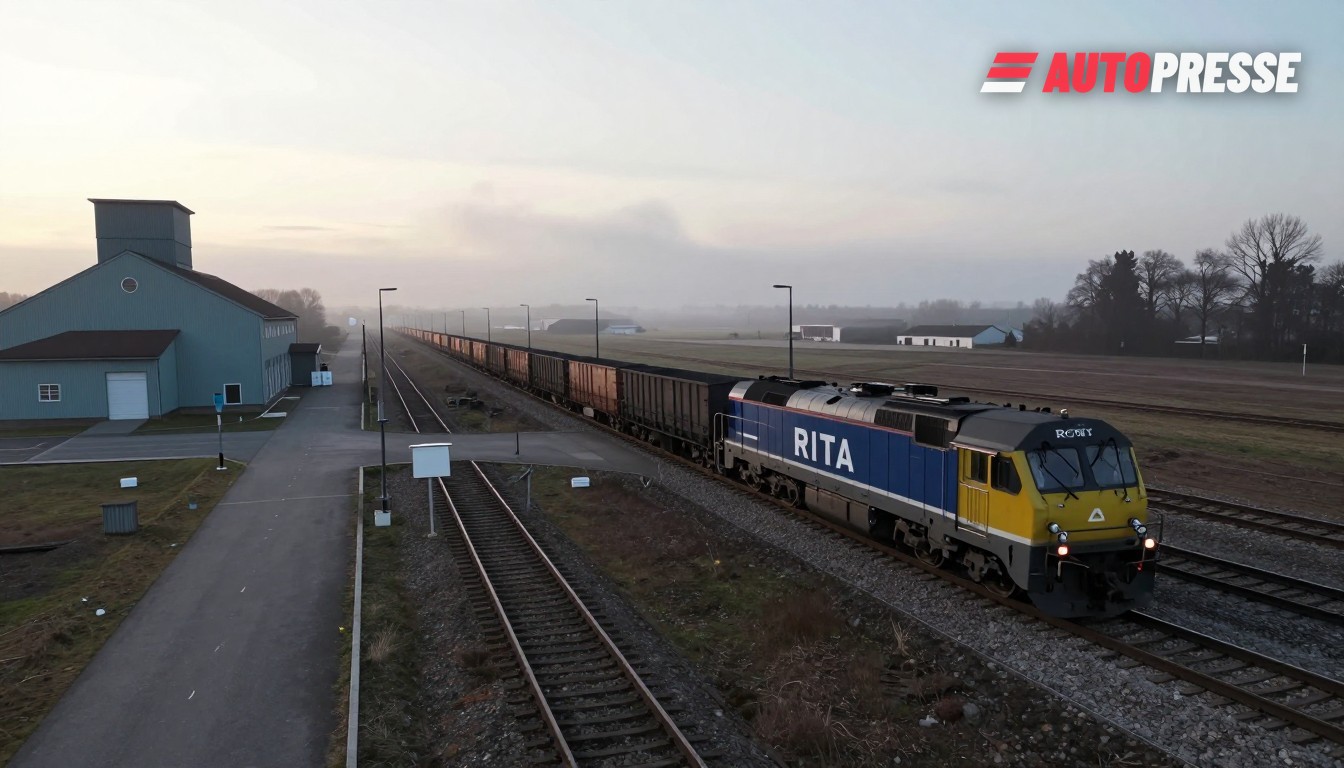
On the rail side, ÖBB’s INFRA terminal network has received new gantry cranes for sites including Wels and Vienna South — equipment delivered and now being assembled as part of an ÖBB‑backed programme to increase lift capacity and speed transhipment between road and rail. ÖBB has publicly noted the arrival and installation of the cranes as a milestone in shifting more freight onto rail.
Duisburg’s conversion: cranes, AI and new space
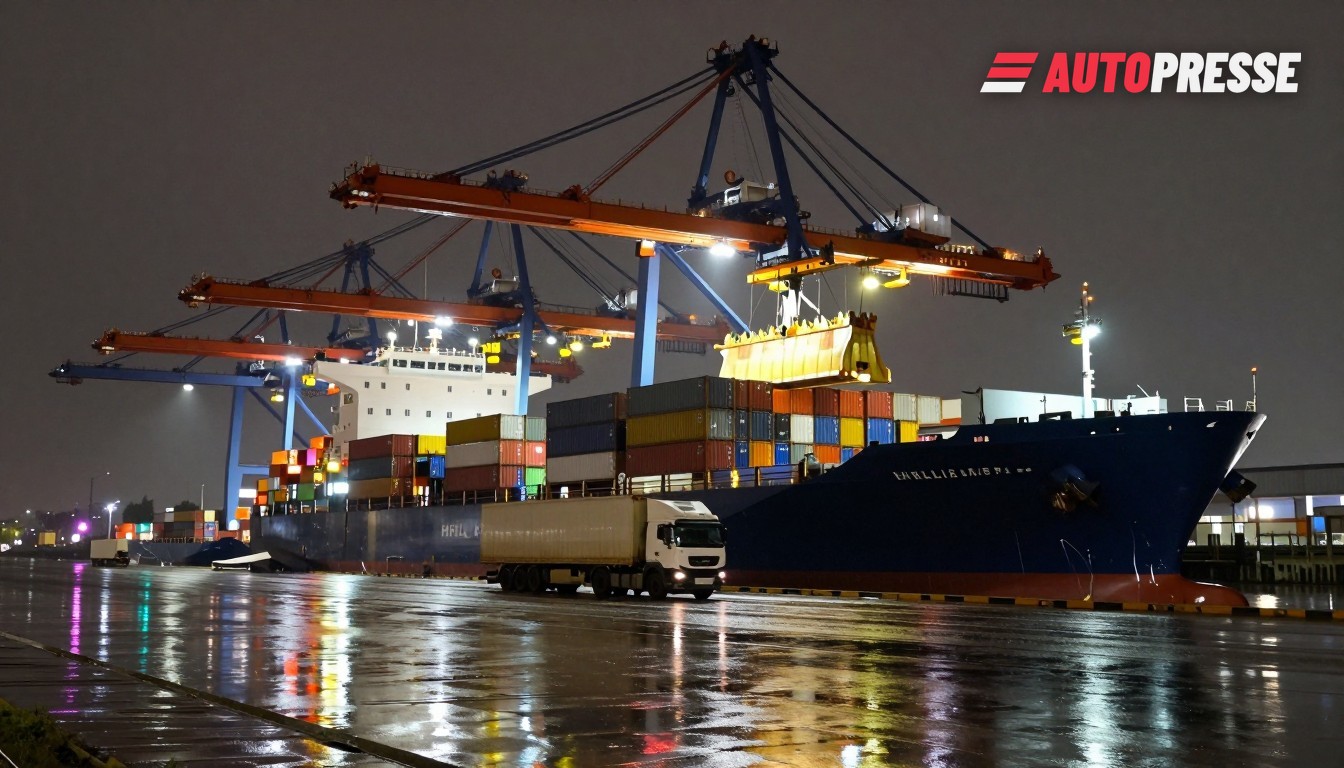
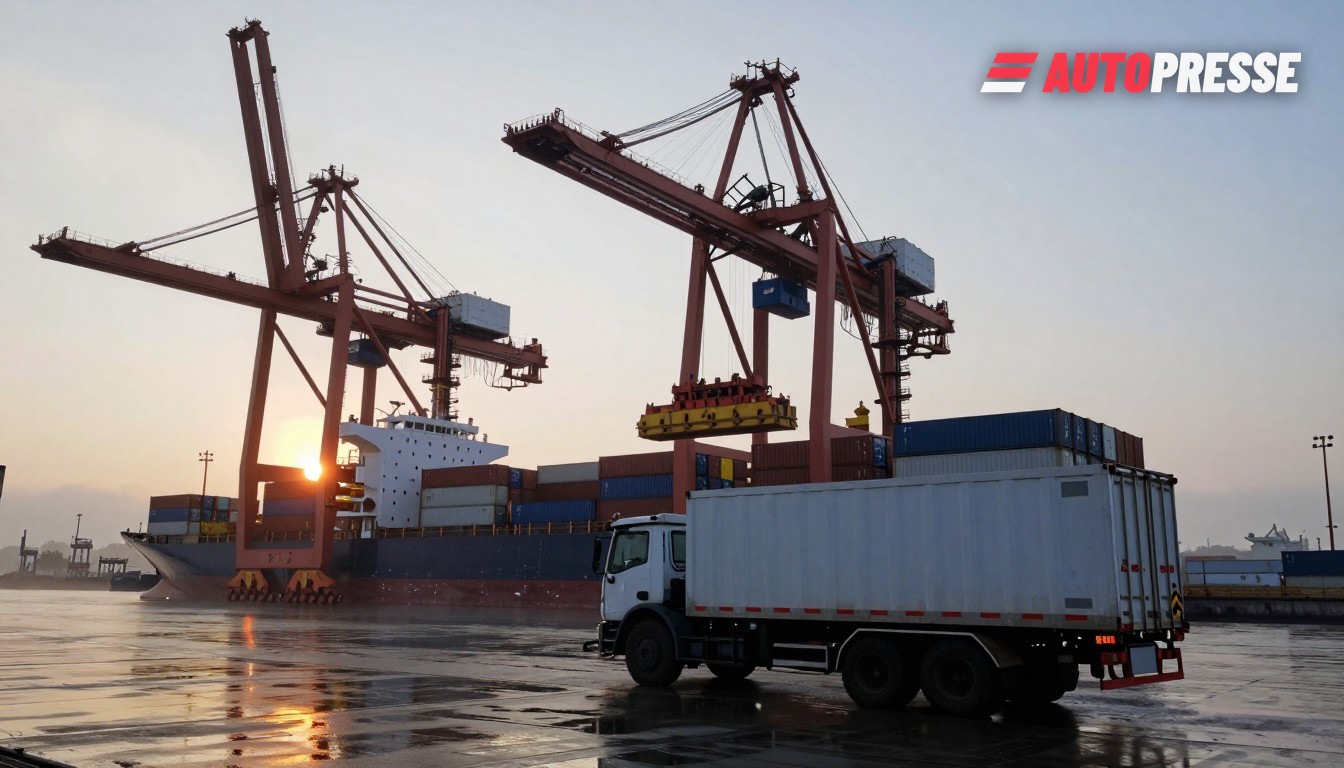
In Germany, duisport continues to convert capacity into a digital, service‑oriented offering. The operator has created a dedicated duisport crane service business (dcs) and announced a €25m new production/montage hall at Logport I to host industrial tenants — moves that professionalise crane operations and free up terminal managers to focus on throughput and new services. Duisport has also been piloting AI tools in port operations with a Berlin supplier to improve scheduling and equipment utilisation.
Complementing the port work, Kombiverkehr Group assumed operational control of the PKV continental terminal in Duisburg‑Ruhrort from 1 January 2026 and rebranded it ‘Rail Hub Duisburg’, strengthening the city’s role as an intermodal gateway and aligning rail operators and terminal managers on throughput and scheduling.
Meanwhile intermodal operators are adding services: Hupac launched a new Duisburg–Novara shuttle (six round trips weekly) as of 12 January 2026, improving Germany–Italy links that feed Alpine corridors used by Austrian and southern German logistics customers.
What this means for the market
The combined effect is concrete: more cold‑chain air capacity in Vienna, faster rail handling at ÖBB terminals, and a smarter, asset‑rich Duisburg that can move boxes off seaports and onto rail or truck with shorter dwell times. For carriers and OEM suppliers this reduces bottlenecks on the last‑mile into southern Germany and Austria, shortens lead times for time‑sensitive parts (pharma and high‑value auto components) and raises the bar for terminal automation and scheduling. The focus on crane‑service professionalisation and AI‑assisted operations also signals a market where labour‑saving technical upgrades and outsourced specialist services become competitive advantages.
Logistics managers should plan capacity shifts: space in Vienna and improved rail links through Duisburg make combined air‑rail or port‑rail chains more attractive for urgent parts and e‑commerce. Shippers whose forecasts still assume long dwell times at inland terminals need to update routing models now — the physical kit and the commercial operators managing it are changing rapidly.
WorldTrader24 B2B vehicle marketplace for dealers →
Sources: Flughafen Wien AG, ÖBB/INFRA, duisport, Hupac