Germany and Austria’s freight network is showing fresh fault‑lines ahead of the pre‑Christmas peak: shipping lines have trimmed services to Hamburg amid terminal automation and labour disruption, while Austria’s rail terminals are moving to remote crane operation to speed handling and reduce dependence on local crews. These shifts matter to OEMs, suppliers and dealers because they change transit times, booking windows and where logistics investment — and jobs — will be needed.
Lines pull out as Hamburg automation hits rhythm
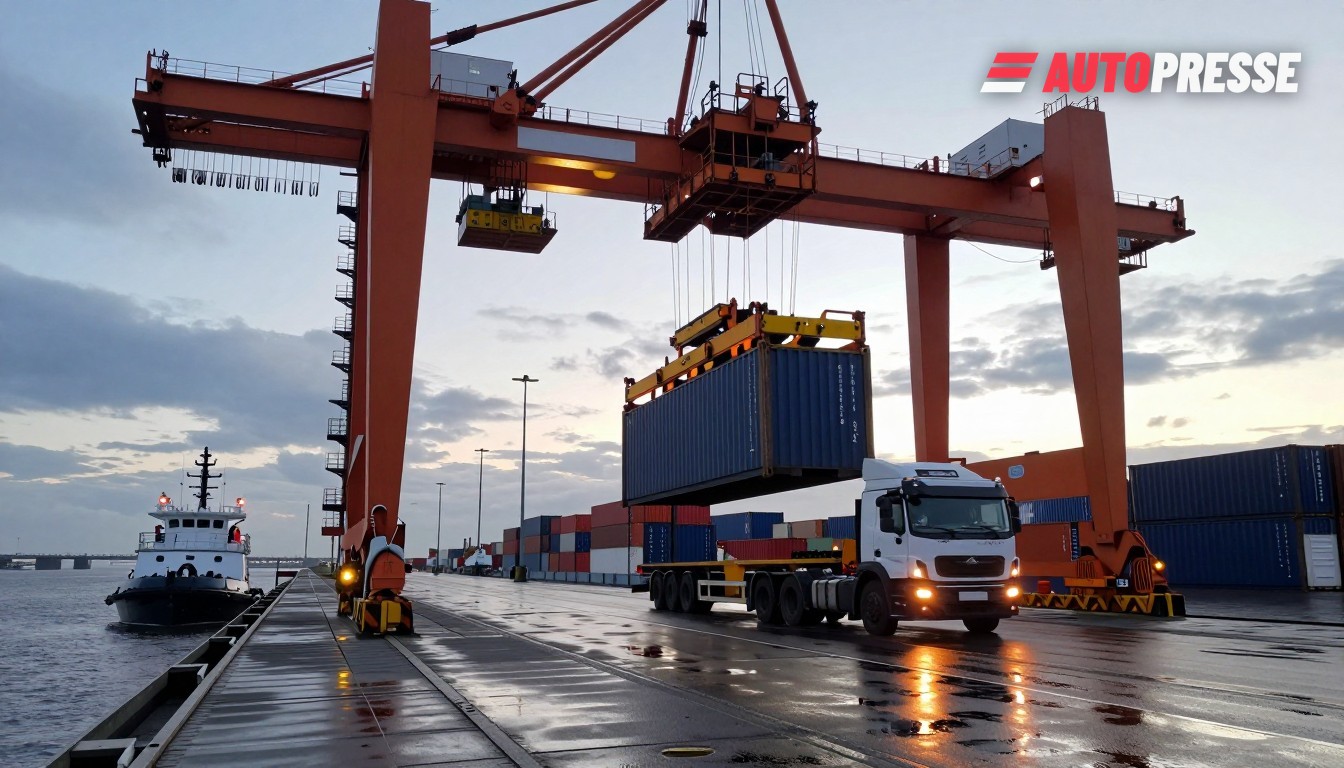
Container lines have temporarily withdrawn or reduced calls to Hamburg after a ramp‑up of automation and some strike‑related disruptions at HHLA’s terminals, a move operators say reflects short‑term reliability concerns and berth productivity limits during the changeover. Shipping trade press reported carrier withdrawals this week as HHLA implements new automated quay cranes and AGV systems at Altenwerder and Burchardkai.
HHLA itself warned that automation start‑up phases and strike impacts weighed on September‑quarter results and revised its Port Logistics subgroup EBIT guidance: the company now expects €100–120 million for the subgroup and €115–135 million for the Group in 2026, while noting several new gantry cranes have been commissioned at Altenwerder and further equipment is being prepared. Those constraints are already changing calling patterns for carriers and forcing shippers to rebook or reroute vessels.
Austria’s terminals go remote — technical roll‑out this winter
In parallel, ÖBB’s TerminalRevolution programme is advancing: technical work to enable remote operation of gantry cranes began in 2026, with Vienna South due for remote‑control commissioning at the end of 2026 and Wels scheduled to follow in the first half of 2027. ÖBB has ordered additional cranes and says remote operation will reduce staff exposure to peak‑time bottlenecks and increase predictable handling windows for hinterland trains.
That split picture — Germany’s largest port coping with automation teething problems while Austria trials remote‑control to boost reliability — is playing out against a wider shipping backdrop of selective capacity discipline. Drewry’s cancelled‑sailings trackers showed an elevated but falling number of blank sailings in late October–November, with one tracker counting 56 planned blanks across east‑west trades for weeks 45–49 and a later update noting about 42 announced blanks for weeks 48–52. The result is more volatile slot availability and an incentive for shippers to book earlier or accept alternative routings.
What this means for the market
Short term: expect longer lead times for Asia‑sourced parts into northern Germany, more premium for guaranteed slots, and higher inland‑haul variability for southern German and Austrian factories. Logistics buyers should shorten quotation validity, demand clearer slot commitments and consider Mediterranean/Adriatic routings for time‑critical components.
Medium term: automation will raise throughput ceilings once stabilised, but operators and shippers must manage the human capital and technical risks of transition. Austria’s remote‑crane pilots could become a template for reducing local labour exposure in terminal peaks — shifting hiring needs from crane operators to remote‑ops technicians and network engineers. For dealers and OEM service networks this means planning for more predictable but regionally shifted arrival patterns, and keeping buffer stock policies under review.
WorldTrader24 B2B vehicle marketplace for dealers →
Sources: HHLA, Splash247, Drewry, ÖBB‑Infrastruktur, ContainerSignal