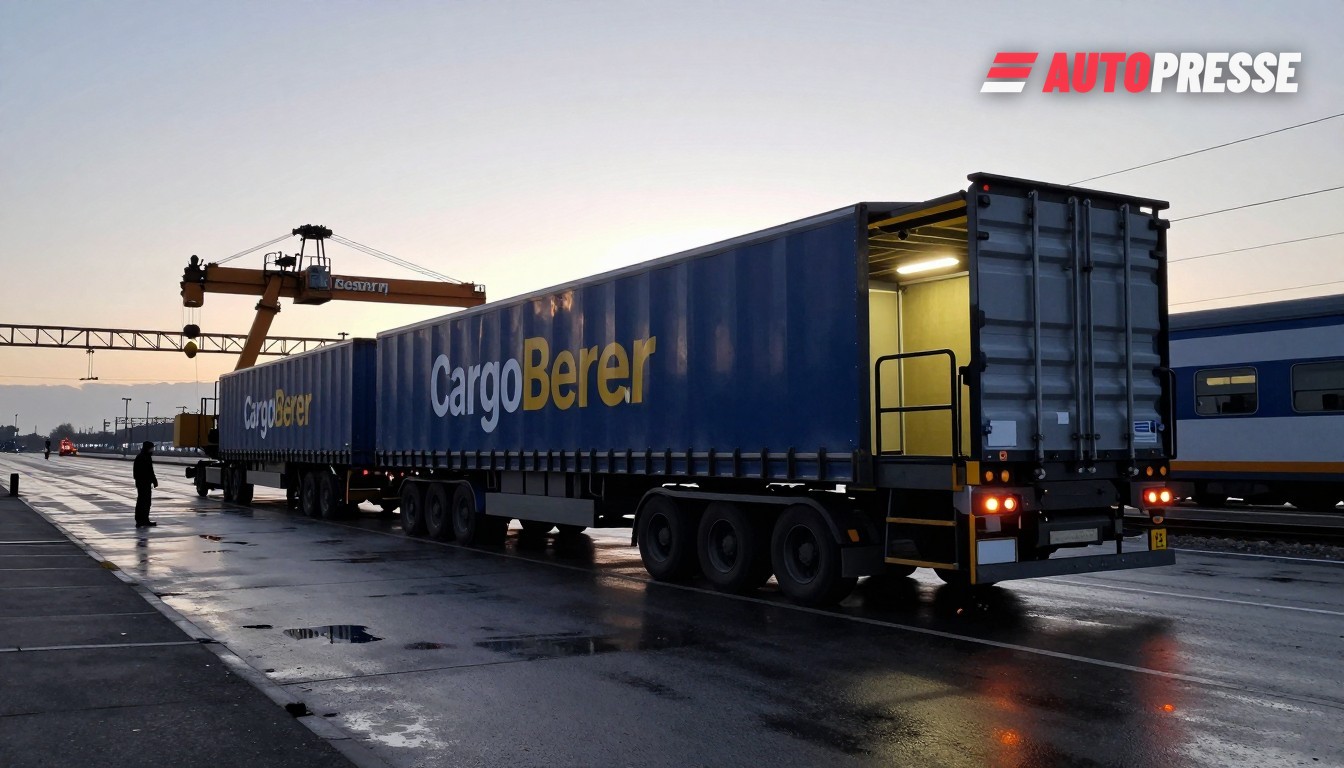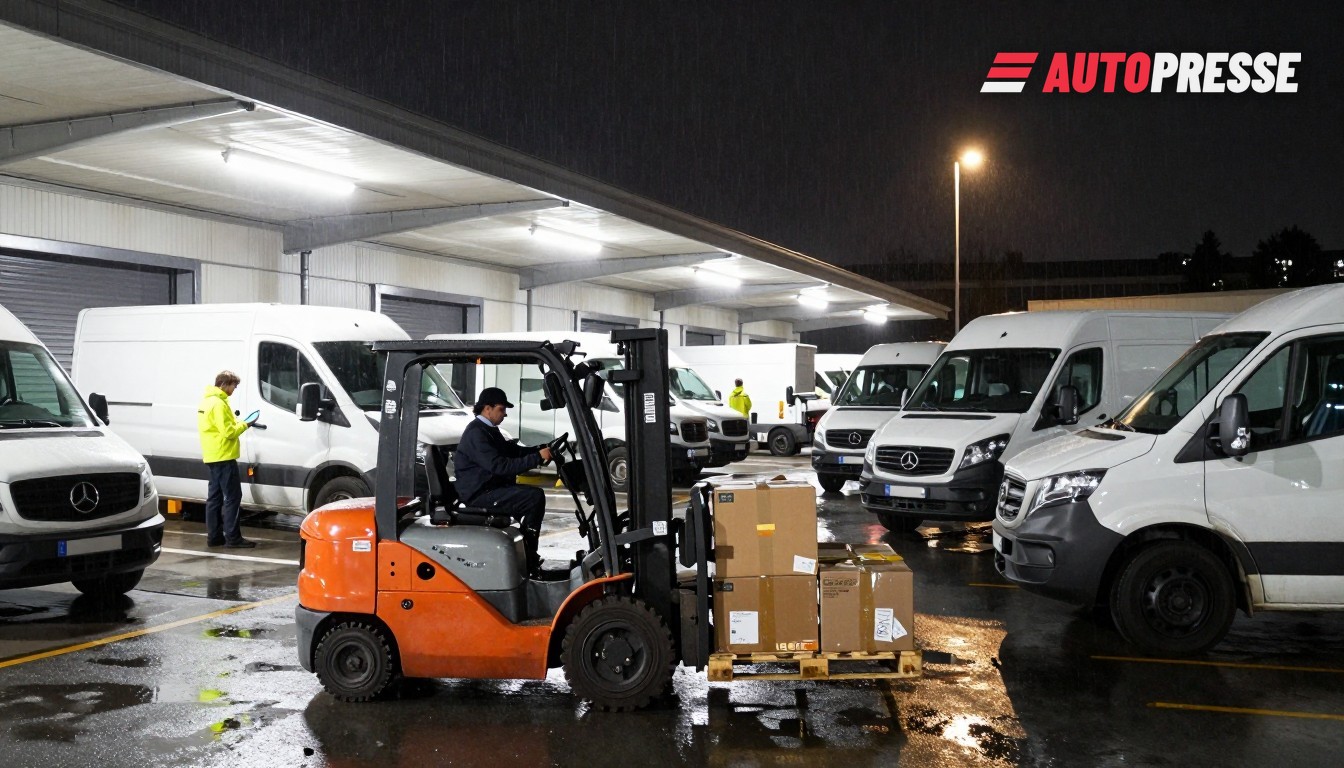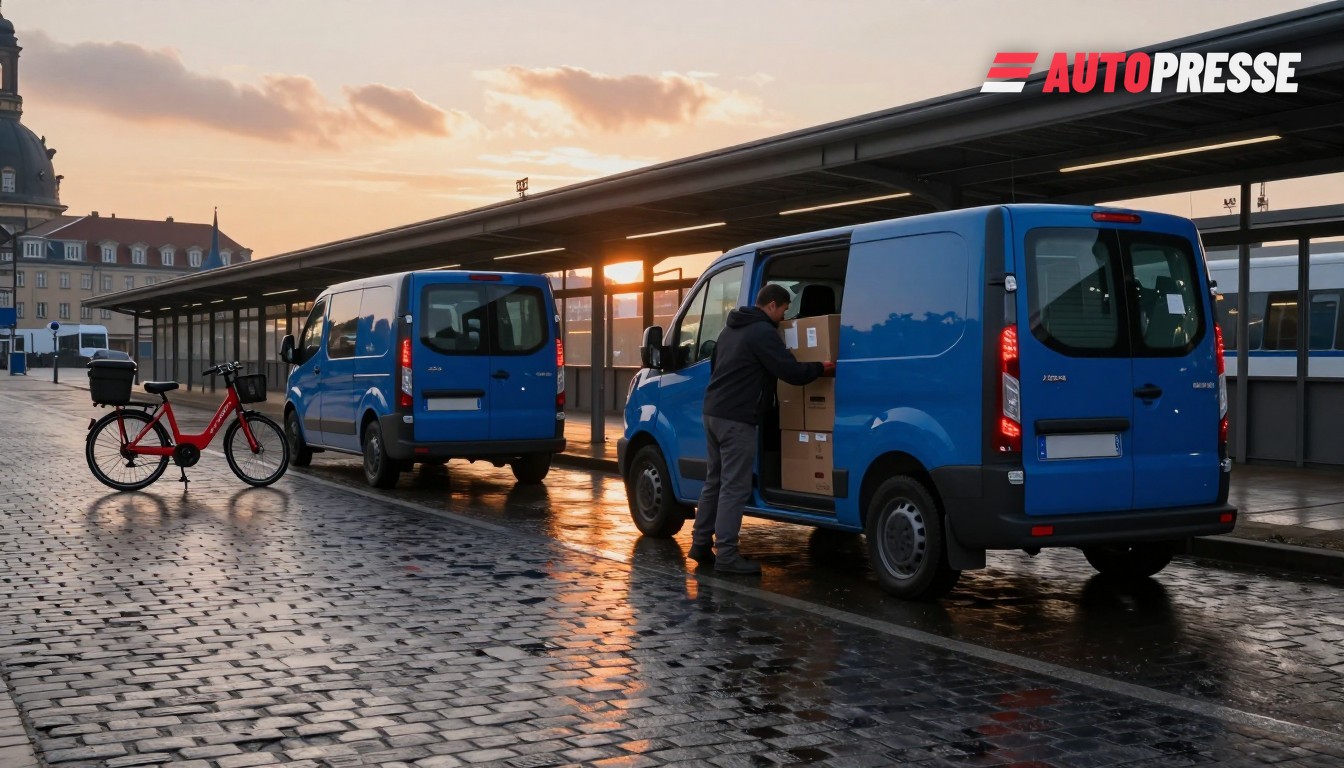
European cities are quietly rewiring last‑mile logistics and that change is hitting home across Germany and Austria. Municipal pilots and carrier projects — from Dresden’s micro‑depot to Vienna’s RemiHub tests — are proving that shared inner‑city consolidation points plus e‑cargo bikes or small electric vans can slash diesel van trips, reduce noise and free kerb space for passengers and shops. For drivers, dealers and city planners the shift means new local partnerships, different depot footprints and new charging or battery‑swap needs at short notice.
Where the pilots already run
Major parcel and carrier groups and local authorities are moving from one‑off trials to repeatable micro‑hub models. GLS Germany reports it opened a micro‑depot in Dresden in 2023 as a joint project with DB, Hermes and DPD — a blueprint for pooled collection and emission‑free final delivery.
Smaller cities are following. IAA Transportation cites a new micro‑depot at Lüneburg intended to consolidate inbound truck loads and hand them to emission‑free local vehicles for city‑centre delivery; the German Federal Ministry of Digital and Transport (BMDV) has signalled support for these measures as part of local delivery decarbonisation efforts.
Magdeburg is testing a funded project called “Paket‑KV‑MD2”, which combines a micro‑depot, e‑cargo bikes and battery‑swap infrastructure supplied by specialist Swobbee — a rare example where battery‑swap hardware is coupled to last‑mile logistics in Germany. The trial is financed by the city, the state and EU structural funds and is already running live routes in Stadtfeld East.
Austria is no laggard. The RemiHub concept — tested in Vienna between 2018 and 2021 — has shown how repurposing tram or bus depots for parcel consolidation and cargo‑bike rollout can work in Alpine cities; Austrian experts now advocate scaling these lessons across regional centres.
Why operators and cities are betting on micro‑hubs
Urban consolidation reduces the number of heavy vans entering dense cores, shortens last‑leg tours and concentrates charging and parking needs in a few managed locations. The EU Urban Mobility Observatory and German pilots report strong emissions and noise benefits where micro‑hubs are used alongside e‑cargo bikes or small EVs — though they also flag higher coordination costs and real‑estate scarcity as constraints.
What this means for the market
For fleet managers and dealers the micro‑hub wave changes operating calculus. Thin urban vehicle routes become suited to smaller EVs and cargo‑bikes, shifting capital to battery charging, swap stations and secure micro‑depot leases rather than large urban parking or showroom space. Logistics providers will need to renegotiate property deals and invest in depot IT and battery‑management systems; suppliers of small EVs, swap hardware and depot‑management software stand to gain. The pilots in Dresden (GLS, 2023), Magdeburg (Paket‑KV‑MD2) and Vienna (RemiHub, 2018–2021) show a practical path from trial to scale — but they also underline that municipal policy (loading‑zone rules, subsidies for micro‑depots, permission to use PT facilities) is the gating factor.
Implementation will not be frictionless. Urban land for shared depots is scarce and expensive; operators face coordination costs when several carriers share a hub; and municipalities must provide clear parking and kerb‑use rules. Nevertheless, pooled micro‑depots plus electrified last‑mile fleets are one of the few proven levers to cut inner‑city van traffic and meet clean‑air targets without banning commercial access outright.
Transporter offers for dealers on WorldTrader24 →
Sources: IAA Transportation, Urban Mobility Observatory, Vision Mobility, GLS ESG Report, VCOE (Austrian Institute)