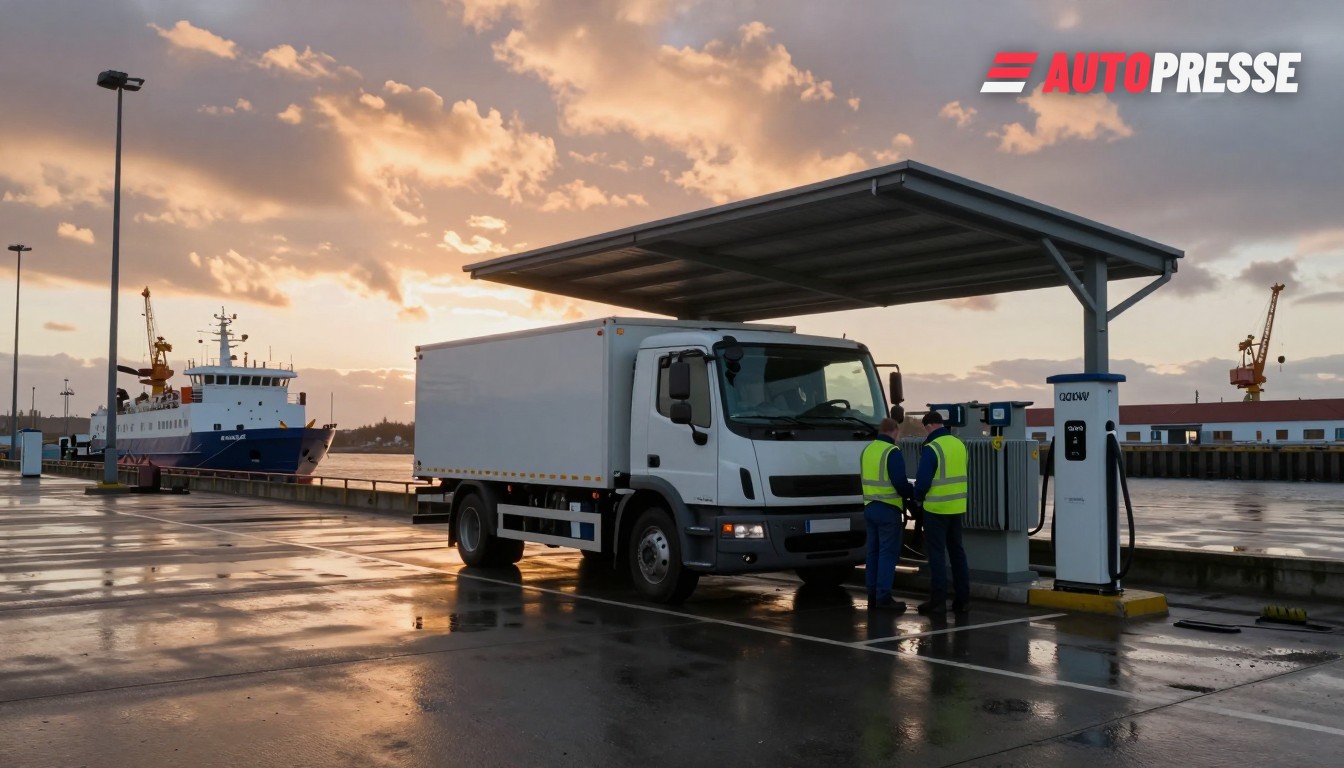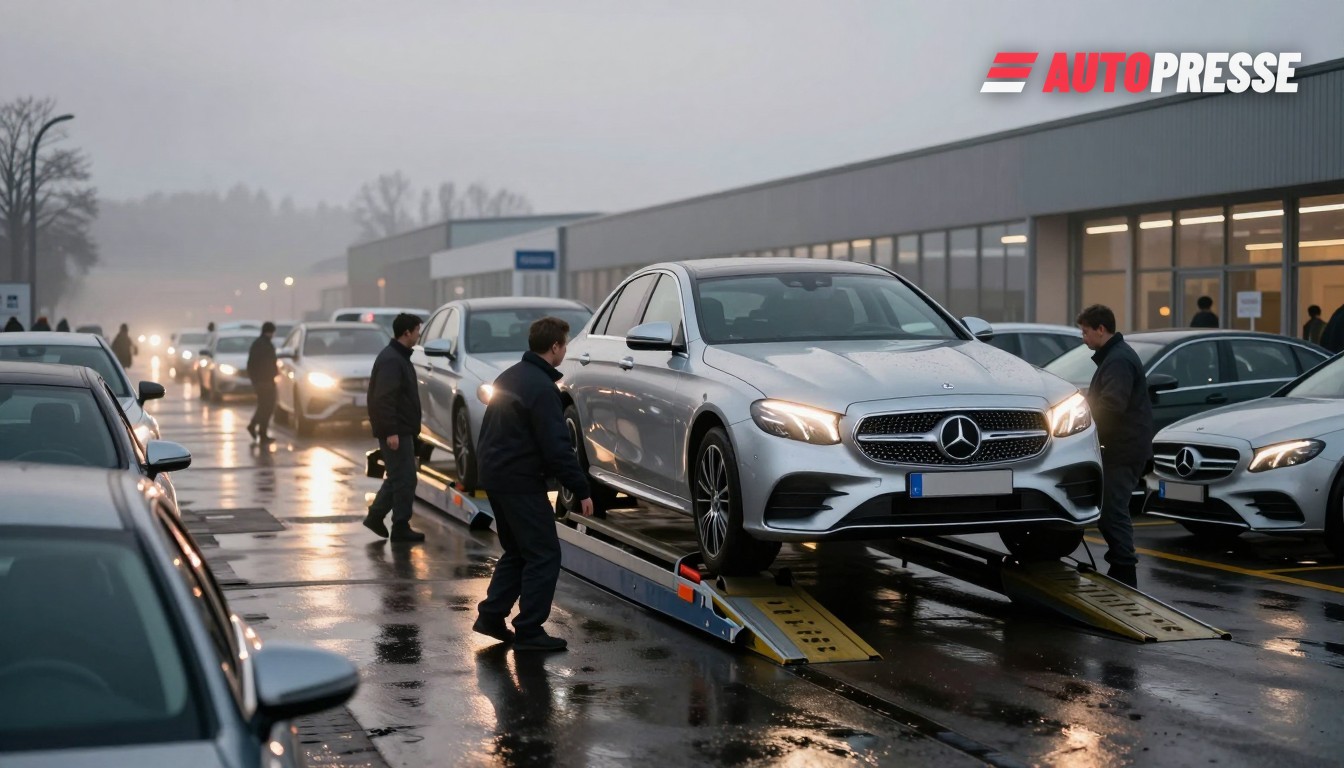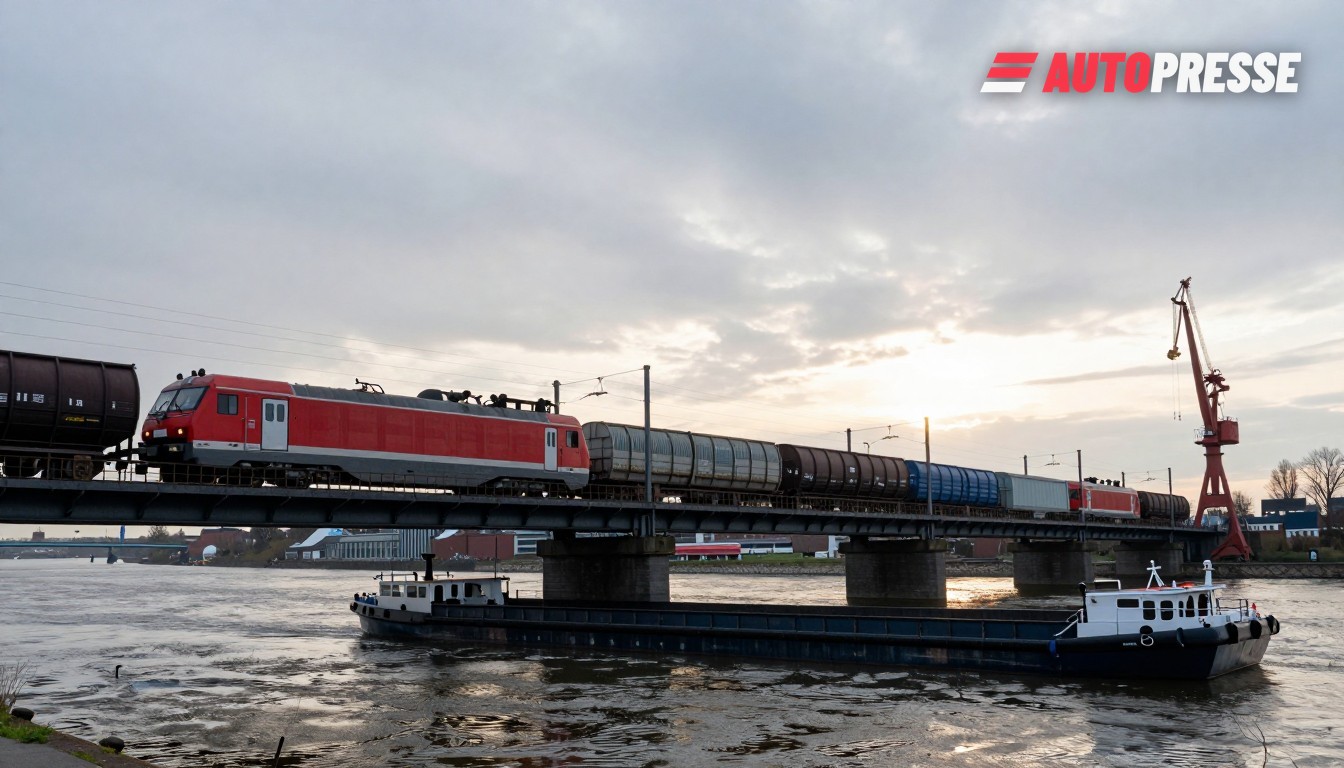
Germany and Austria are quietly re‑engineering the physical spine of the automotive supply chain. Ports from Hamburg to Wilhelmshaven are investing in remote and automated handling while rail operators and intermodal terminals — including ÖBB projects in Austria — push new cranes and yard capacity. The result: faster ship‑to‑factory flows for cars and components, but disruptive capacity shifts for hauliers, dealers and plant logistics teams.
Ports press the automation pedal
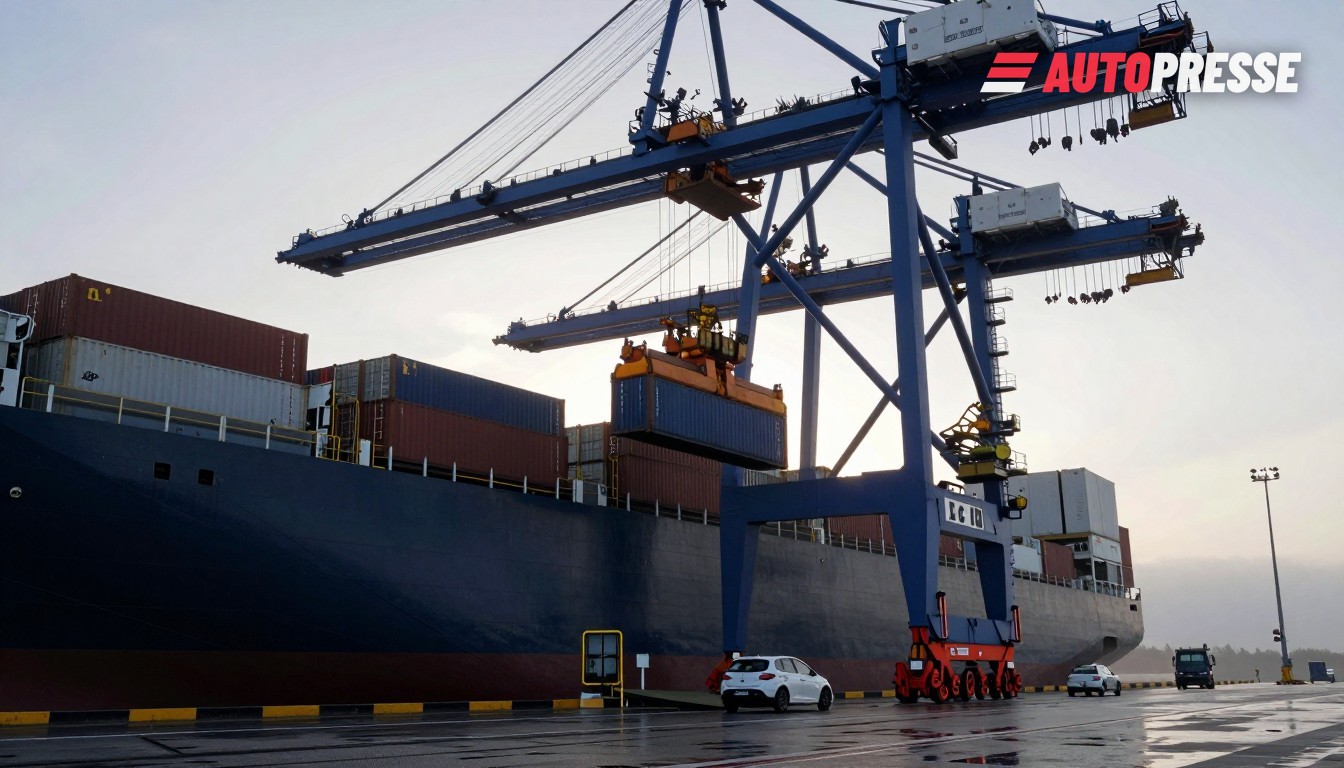
Hamburg’s port authorities and terminal operators have moved from pilots to rollouts: the Hamburg Port Authority and partners launched the iPORTUS project to integrate autonomous systems in port operations in January 2026, and HHLA announced remote‑controlled container gantry cranes at CTA on 23 January 2026 — a step the company says strengthens terminal competitiveness and retrains crane operators as remote controllers.
At the North Sea coast Eurogate has continued port automation investment: Eurogate ordered four Automated Stacking Cranes for Wilhelmshaven on 13 October 2026, part of a larger automation drive that also covers Hamburg and Bremerhaven terminals. Maersk’s Q1 2026 investor highlights likewise list a planned €1bn upgrade for Bremerhaven’s NTB terminal that includes automation measures. Those projects aim to raise throughput and lower landed‑cost volatility for imports such as finished cars and high‑value components.
Rail and terminals: upgrades, EU money and new cranes
Rail freight is being recast in parallel. The European Commission’s CINEA opened the 2026 Connecting Europe Facility (CEF) Transport call, making €1.1 billion available for TEN‑T infrastructure projects (deadline 6 October 2026), a pot that national rail and terminal projects in Germany and Austria can tap to modernise rail links and yards.
ÖBB has been upgrading intermodal terminals in the region: Rail Cargo Group opened a modernised terminal in Přerov on 15 June 2026, and Austria’s Wels terminal has received new gantry cranes financed by ÖBB and the EU to improve rail access and allow two‑direction train entry — changes that directly benefit cross‑border automotive flows between Austria, the Czech Republic and Germany.
At the same time Deutsche Bahn is executing a deep reorganisation of DB Cargo: the DB interim report records an agreement with the works council in mid‑June 2026 and states that DB expects a reduction of about 6,200 employees in Germany by 2030 as part of the transformation toward a European‑integrated rail freight provider. That realignment changes available wagon capacity and single‑wagon services that many suppliers and aftermarket logistics still rely on.
What this means for the market
For dealers and OEM logistics managers: automated ports and modernised intermodal terminals should cut inland dwell times and smooth arrivals of imports — good news for just‑in‑time parts and fleet deliveries. But the DB Cargo restructuring and ongoing terminal automation also concentrate volumes in fewer, higher‑performance corridors and nodes; that raises exposure if a major terminal or rail hub faces disruption.
For truck operators and freight forwarders: port and terminal automation reduces labour‑intensive steps yet increases the technical complexity of last‑mile handovers. Expect more demand for digitally integrated drayage services and telematics that knit together ship, rail and warehouse schedules.
For workers: operators will need new digital skills. HHLA and Eurogate emphasise retraining — remote control and supervision replace cabin driving — but DB Cargo’s plan signals further social and operational change through 2030.
WorldTrader24 B2B vehicle listings for dealers and wholesalers →
Sources: Deutsche Bahn, CINEA, HHLA, Eurogate/Konecranes, ÖBB, Maersk