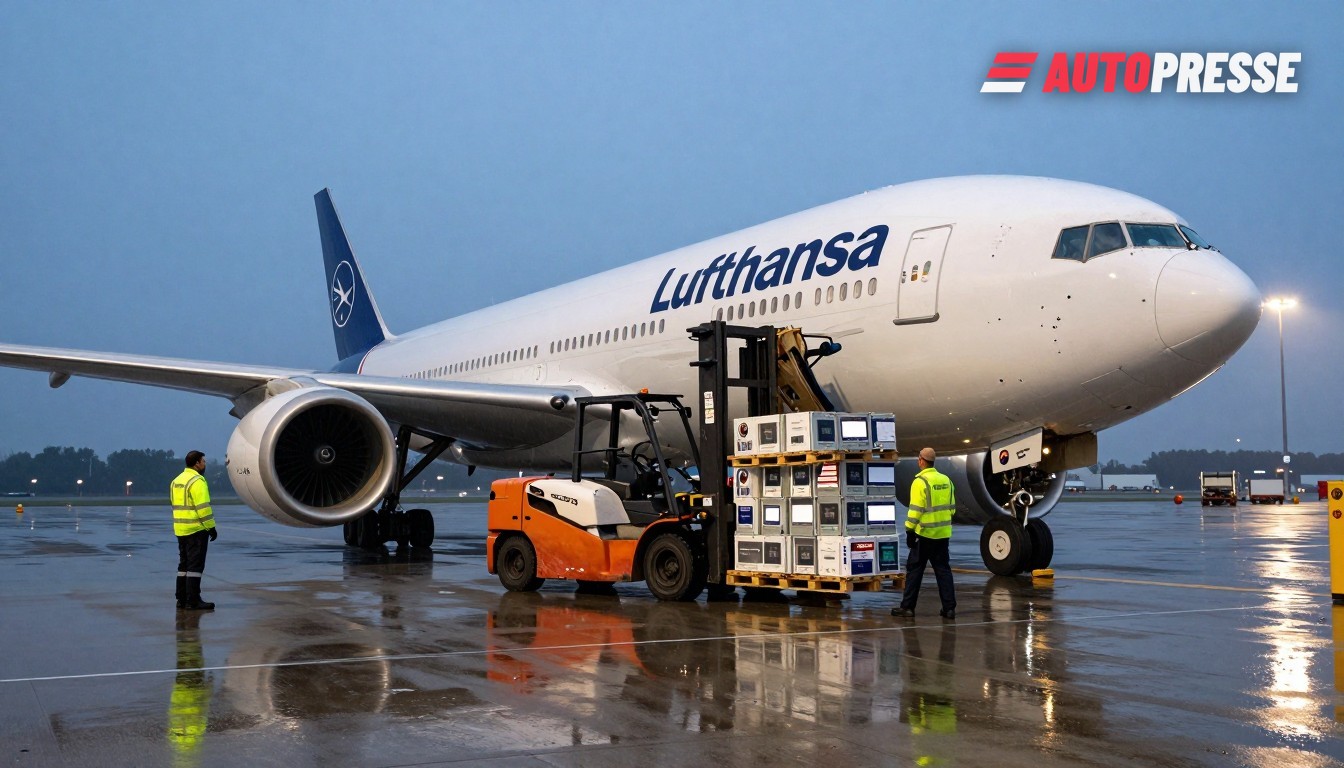
Germany’s rail freight backbone and Austria’s multi‑billion‑euro rail programme have moved into the same tight window — and manufacturers, dealers and logistics teams should pay attention. DB Group and its freight arm are racing to hit profitability by the end of 2026 while Austria presses ahead with projects worth billions that will change trans‑Alpine flows and terminal capacity.
Two headlines: DB’s turnaround and Austria’s construction boom
Deutsche Bahn says DB Cargo must reach sustained profitability by the end of 2026 and has set out a transformation package that includes fleet sales, leasebacks and digitalisation measures to hit that target. The Group’s March 2026 investor update states the aim plainly: the measures are designed to "establish a long-term profitability of DB Cargo AG by the end of 2026.".
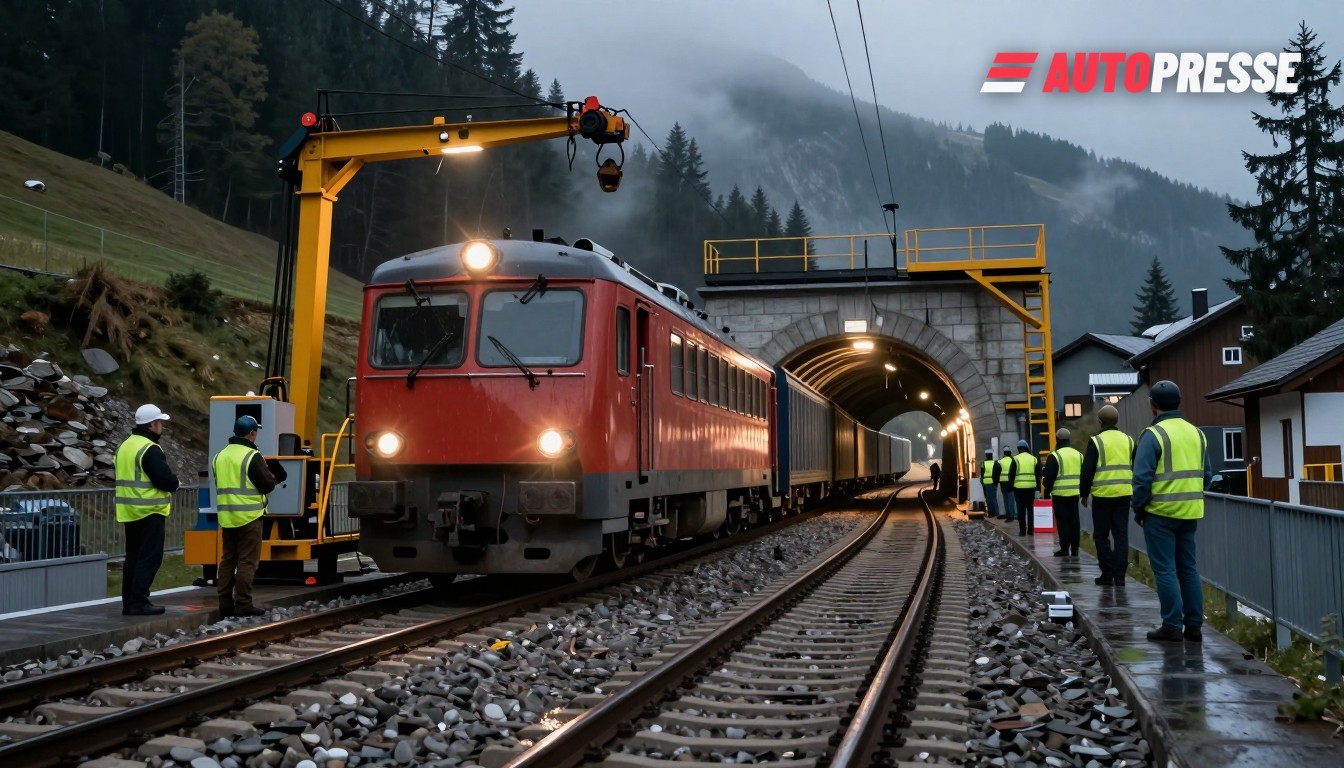
Meanwhile ÖBB’s modernisation programme is already in full swing. The Austrian authorities say around EUR 19.5 billion will be invested in the 2027–2032 framework period and that work already under way — including the Semmering Base Tunnel technical fit‑out — is generating roughly EUR 4.2 billion in economic stimulus during construction and the creation or safeguarding of about 200,000 job‑years through 2032. ÖBB also opened a modernised intermodal terminal in Přerov (Czech Republic) on 15 June 2026 to strengthen Central European rail links.
How operators are changing the game
DB Cargo’s operational toolkit is increasingly digital and financial. Deutsche Bahn’s business reports describe a rapid rollout of distributed‑power systems (DPS) — approved for cross‑border use into Austria in June 2026 — and trials of Automatic Train Operation (ATO) and remote‑train operation to boost train length, energy recovery and utilisation. At the same time DB has used sale‑and‑leaseback deals (around 6,000 wagons) to improve liquidity and fleet flexibility. Those combined moves are aimed at cutting unit costs while improving capacity and cross‑border reliability.
DB Cargo is also positioning rail as a logistics backbone for new markets: the company says rail can handle several million tonnes a year of CO₂ transport for carbon capture projects and is ready to operate multimodal CO₂ chains once capture and storage sites are decided. That places rail freight at the centre of industrial decarbonisation logistics as well as traditional goods traffic.
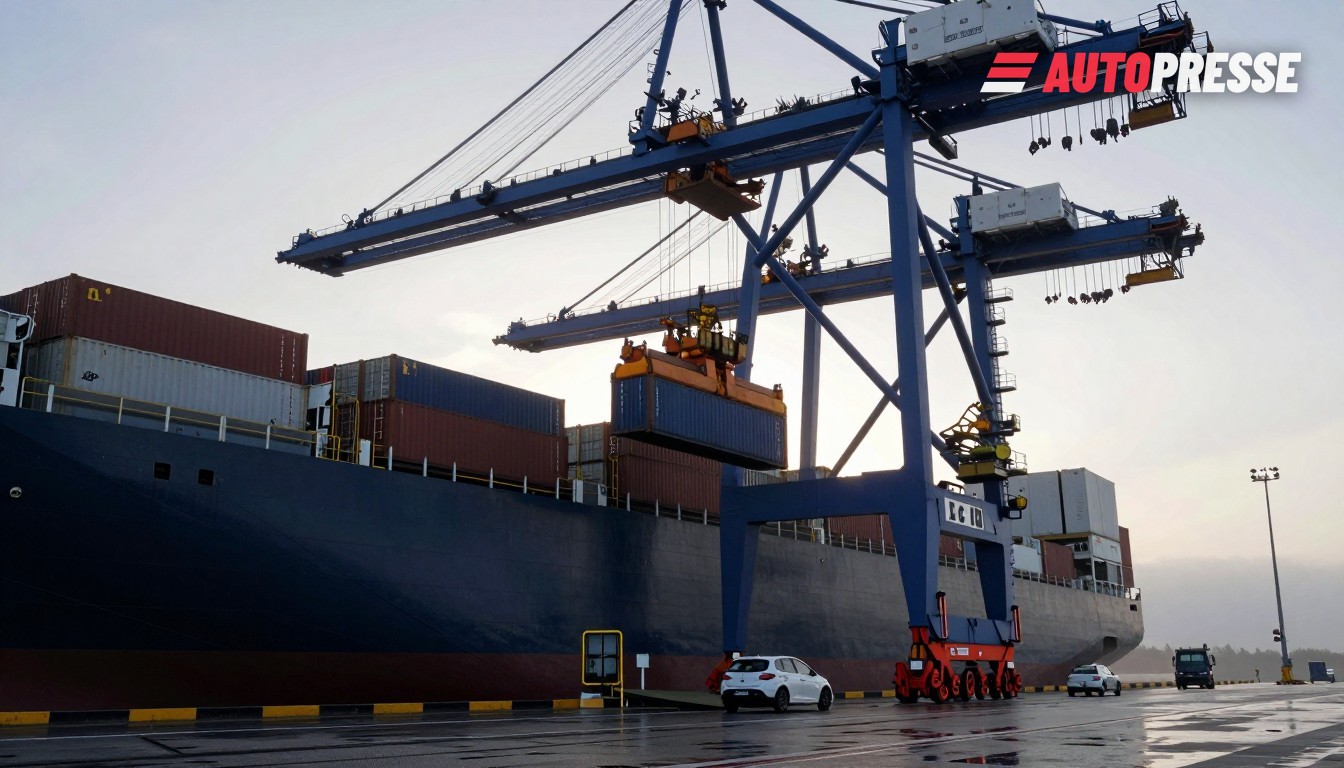
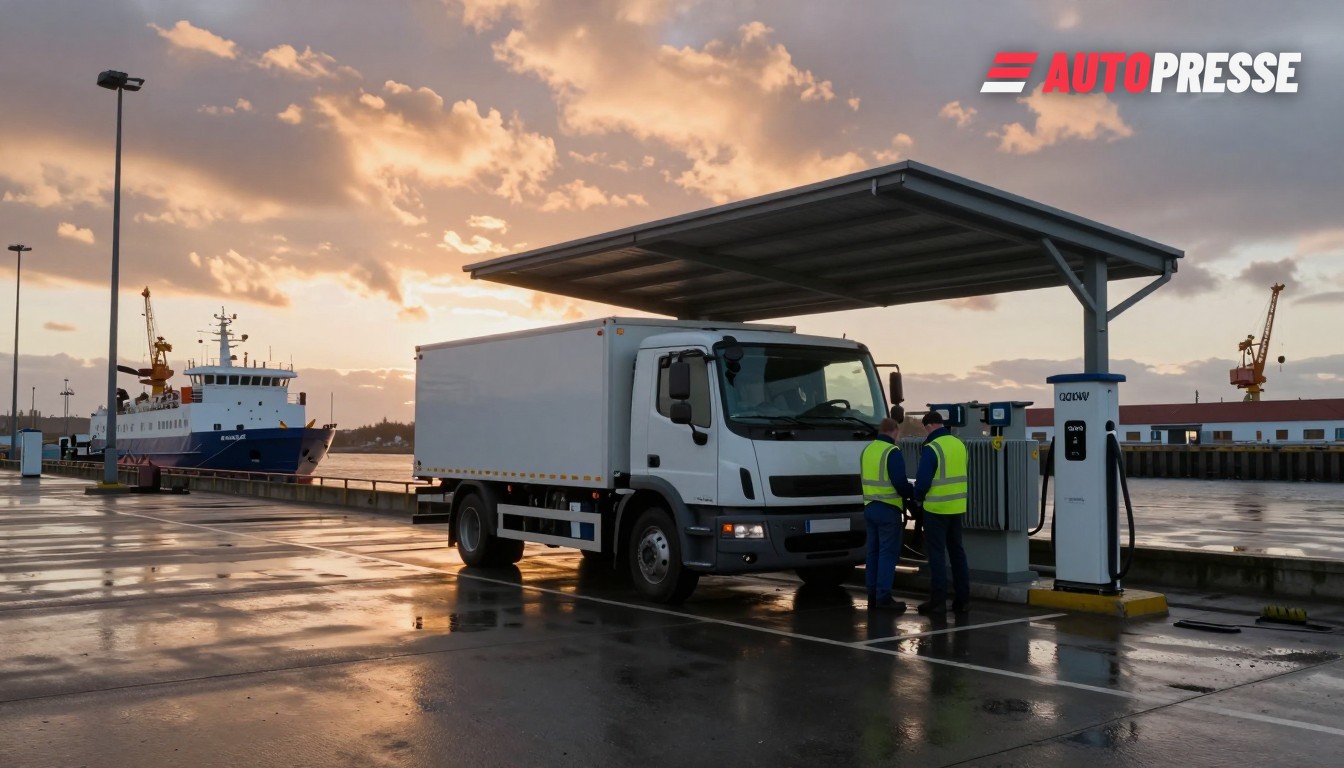
At Germany’s ports, operators are pressing automation and yard electrification to raise throughput and resilience. Hamburg’s terminal operator reports staged rollouts of remote‑operated gantry cranes, battery AGVs and a new yard‑system planned to go live in January 2027 — moves intended to reduce handling costs and preserve competitiveness for container and intermodal flows.
What this means for the market
For manufacturers and suppliers: improved intermodal capacity and new Alpine tunnel capacity (Semmering commissioning targeted for end‑2029) should lower transit risks on key east‑west corridors, but those gains arrive while DB Cargo must squeeze costs and restructure — a combination that could tighten spot freight availability in the short term.
For dealers, workshops and parts logistics: automation at ports and longer, more efficient cross‑border trains should steadily improve inbound reliability — but export controls and administrative friction remain a risk. An IHK survey found 42% of firms report export‑authority obstacles within the single market (customs, export licences, paperwork) as a significant issue. The European Commission is convening an Export Control Forum on 20 November 2026 to address many of these tensions. Those legal and administrative pressures can delay shipments even where physical capacity exists.
Short term, firms relying on rail should plan for heightened volatility through December 2026 as DB Cargo implements cost and fleet moves; medium term, Austrian infrastructure spending and port automation should expand reliable, lower‑carbon freight options across Germany and Austria.
B2B vehicle listings on WorldTrader24 →
Sources: Deutsche Bahn, DB Cargo, ÖBB, HHLA, IHK, European Commission (Export Control Forum), OTS