Germany and Austria are quietly re‑writing the economics of road freight. Berlin extended the toll exemption for zero‑emission heavy trucks and rolled out a smartphone log‑on; Vienna is phasing out the paper vignette and re‑pricing road use with a greener tariff mix. The changes — plus new EU rules for light commercial vehicles and softer freight demand in early 2026 — are already reshaping fleet choices, cross‑border runs and logistics costs for carmakers, suppliers and dealers in both countries.
The new toll reality in Germany
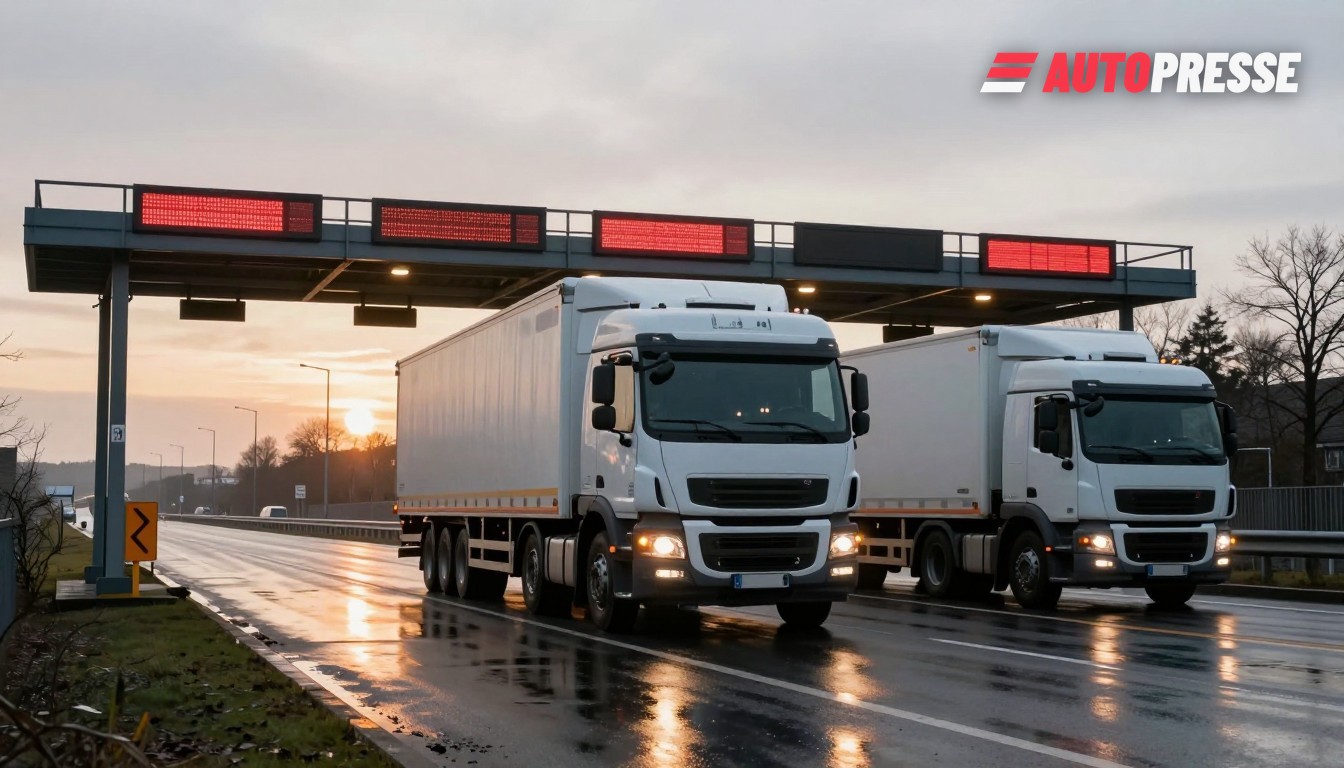
On 1 December 2025 Germany put the Fourth Amendment to the toll regulations into force: the existing toll exemption for zero‑emission heavy trucks (previously limited to end‑2025) was extended until 30 June 2031, and Toll Collect created a new semi‑automatic log‑on option called "TollNow" (iOS rollout January 2026). Toll Collect also announced that registrations already marked toll‑exempt will be automatically extended through 31 December 2027. These measures aim to reduce roadside stops, speed up checks and lower administrative friction for occasional users.
Austria goes digital — and prices in environmental costs
Austria's federal government decided on a truck‑toll package and a full switch from the adhesive vignette to a digital vignette from 2027. The ministry says the change will improve user convenience (more than 75% of annual vignettes are already sold digitally) and that the 2026 vignette price was set at €106.80 (adjusted by 2.9%). The Austrian package also raises the share of external‑cost factors (air pollution, noise, CO₂) used to calculate road charges — the ministry estimates this increases revenues by roughly €42 million a year and strengthens the "ecological monitoring effect" to encourage modal shift. Mobility Minister Peter Hanke framed the move as a step for planning security in the transport sector.
Regulatory ripple: vans, tachographs and cross‑border checks
At EU level, social rules for road transport expanded to cover a fast‑growing van segment: from 1 July 2026 light commercial vehicles above 2.5 t used for international transport or cabotage must comply with driving/rest rules, posting rules and smart tachograph obligations (smart tachograph G2V2). That increases paperwork and on‑route enforcement for cross‑border shuttles commonly used by suppliers, dealers and last‑mile distributors. The European Labour Authority describes this as a milestone that closes a long‑standing regulatory gap for van‑based freight.
What this means for the market
Taken together, the measures lower direct road‑user costs for early adopters of zero‑emission HGVs in Germany (creating a clearer short‑term incentive to electrify fleets), speed digitalisation of toll payments, and tighten compliance for cross‑border van operations — at a time when freight volumes are fragile. Deutsche Bahn's interim 2026 report records weaker rail and inland‑water volumes and notes that mileage subject to truck tolls was mostly below year‑earlier levels in the first months of 2026 (overall toll‑network mileage was largely stable but down 0.6% in the early months). That combination — softer demand, targeted toll incentives and new van compliance — is encouraging some shippers to rethink vehicle mix, booking systems and route planning.
Practical consequences are immediate: carriers must update toll and tachograph software, fleet buyers should factor the toll exemption window (until 30 June 2031) into total‑cost‑of‑ownership calculations for BEV trucks, and dealers handling cross‑border warranty parts or dealer transfers must prepare for stricter checks on van runs. Austria's digital vignette reduces border friction for travellers and fleets but brings a new fee structure that logistics planners must model into cross‑border route quotes.
Electric van and transporter listings on WorldTrader24 →
Sources: Toll Collect, Federal Ministry (Austria BMIMI), European Labour Authority, Deutsche Bahn, ASFINAG