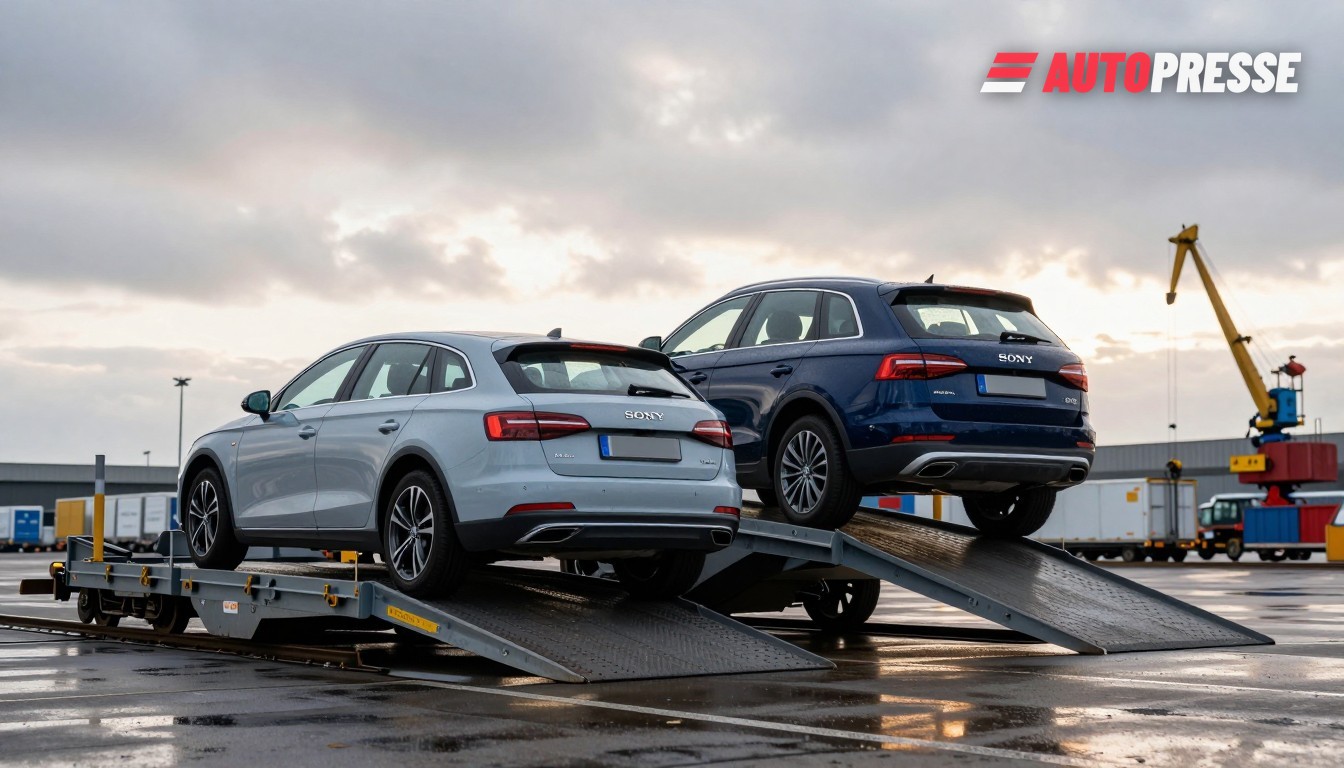
Freight flows in Germany and Austria are being reshaped as road volumes fall in Austria and German ports and terminals step up investments to handle new import patterns — notably rising shipments of electric cars from Asia. That matters to drivers, dealers and logistics workers: slower road volumes change inland flows, while port and terminal upgrades aim to cut dwell times and create new handling capacity for EVs and services.
Numbers: falling road freight, rising rail and targeted port spending
Statistics Austria reports that 549.4 million tonnes of goods were transported on Austrian roads in 2025, a decline of 0.6% versus 2024 and the lowest annual road‑freight volume since 2016. Domestic transport performance on Austrian territory fell by 0.9% to 52.9 billion tonne‑kilometres. (Statistics Austria, 12 Oct 2026).
By contrast, rail freight in Austria increased: Statistics Austria records a 1.8% rise in rail tonnage in 2025 to 96.2 million tonnes, with domestic rail transport performance up 2.6% to 21.5 bn tkm — a sign that some long‑haul flows are shifting to rail. (Statistics Austria, 29 Apr 2026).
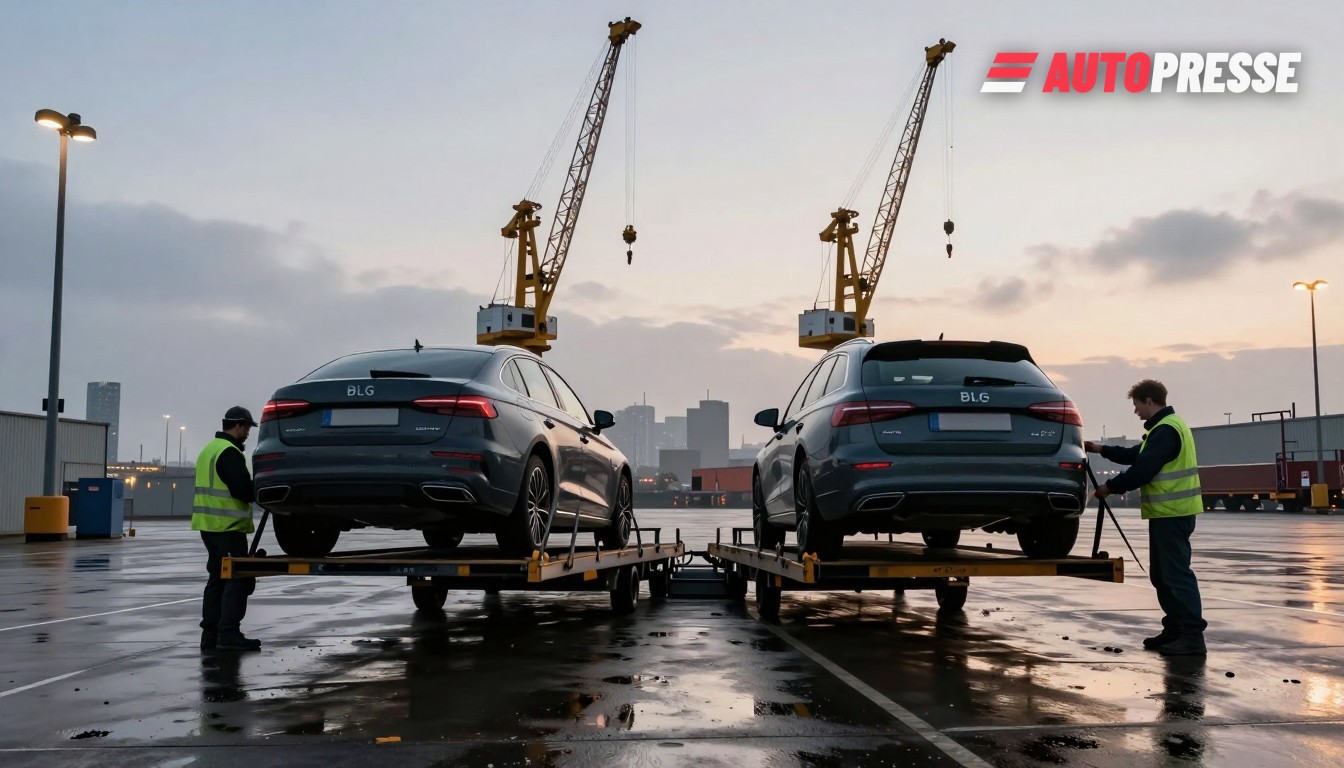
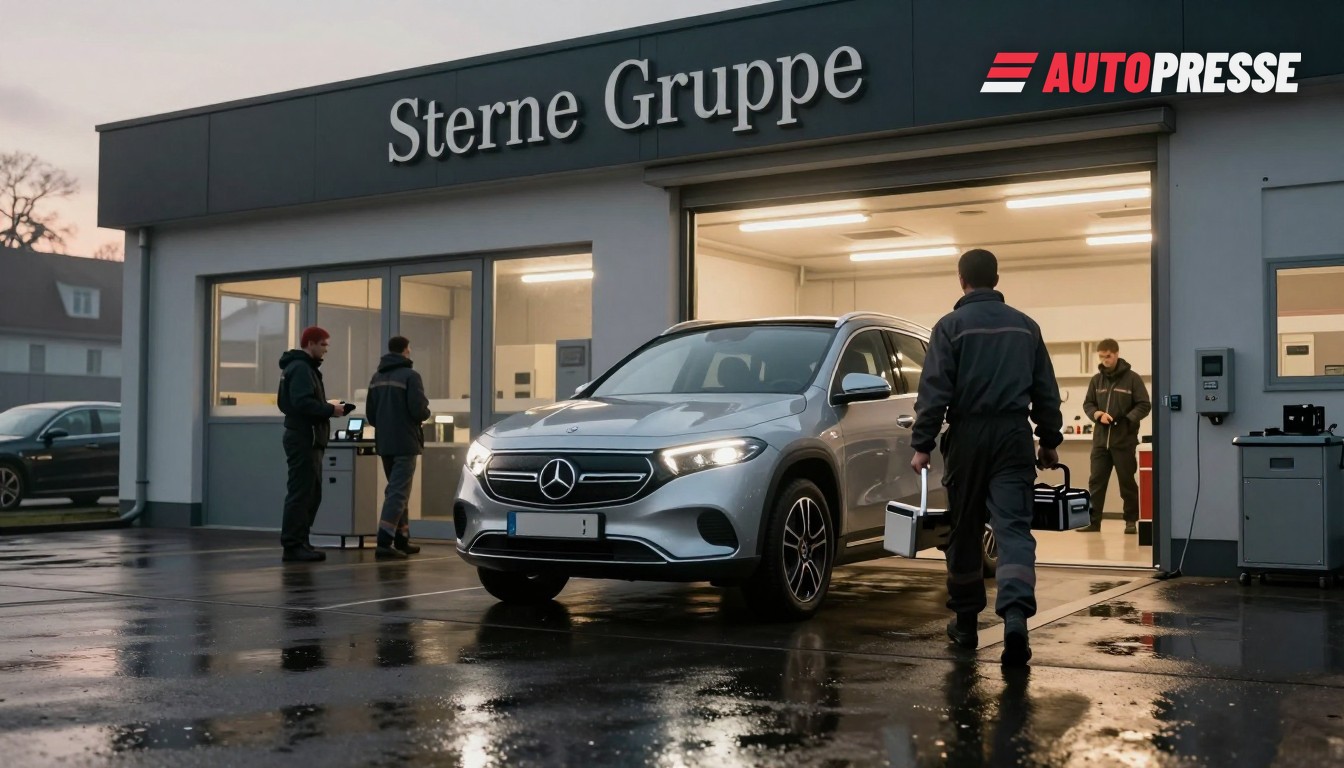
At the same time German terminals are investing in capacity and sustainability. BLG/AutoTerminal Hamburg has begun a €25 million upgrade — a new 10,300 m² multifunctional hall combining workshop, car‑wash and paint services — scheduled for completion in September 2027; the project targets DGNB Gold certification and on‑site photovoltaics and includes charging for electric trucks. BLG handled about 130,000 vehicles in Hamburg last year, underlining the terminal’s role in national car logistics. (Port of Hamburg press release, 18 Sept 2026).
Asia‑Europe vehicle flows and port responses
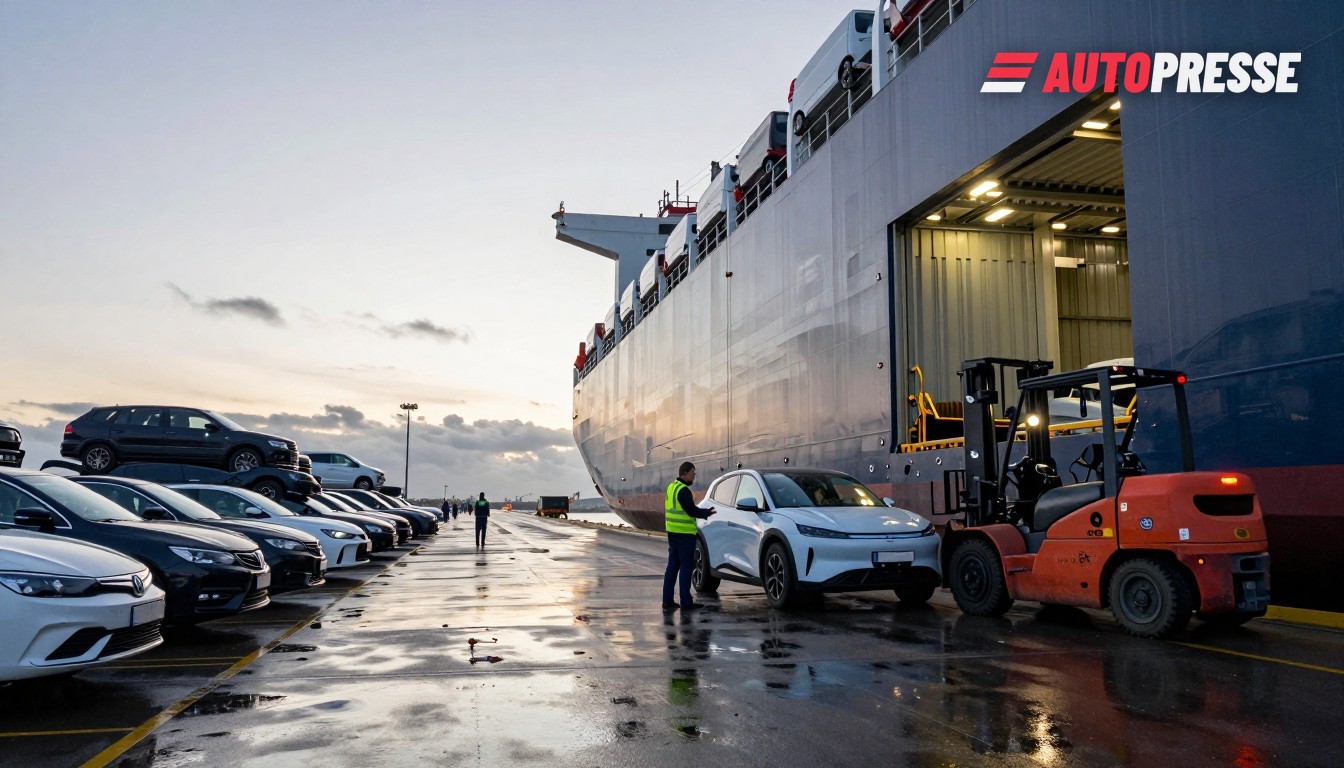
Ports are reacting to changing vehicle flows: Bremerhaven handled roughly 1.25 million finished vehicles in 2025 and BLG says imports from China are a growing structural driver — Chinese makes rose to nearly 6% of arrivals at the Bremerhaven auto terminal in the first half of 2026, according to regional reporting and BLG statements. BLG has been expanding quay and terminal capacity and stressing a multimodal approach to cope with tariff uncertainty and rail network disruption. (Automotive Logistics, 8 May 2026; Radio Bremen / buten un binnen, 26 Oct 2026).
Logistics operators are also wrestling with rail reliability in Germany and a mixed modal response: providers describe using inland terminals, additional truck capacity and digital process upgrades to keep cars moving while ports increase storage and technical‑service space to shorten vehicle dwell. (Automotive Logistics, May 2026).
What this means for the market
Short term: dealers and fleet managers may see more variable delivery times. Rising import volumes of EVs routed via major German ports can relieve supply gaps but also create concentrated peaks that require additional processing capacity and staff. The €25m BLG upgrade in Hamburg — and Bremerhaven’s expanded throughput and hinterland links — aims to smooth that pressure for northern Germany and the wider Central European hinterland.
Medium term: Austria’s falling road freight and rising rail use indicate modal shift potential for long‑distance car transport across the Alps and to South‑East Europe; terminals that invest in combined rail‑road handling and EV technical services will capture a growing share of finished‑vehicle work. (Statistics Austria, 2025/2026).
For logistics workers and port communities the picture is mixed: terminal investments bring jobs in vehicle preparation and technical services, but continued rail disruption and tariff volatility keep planning uncertain for shippers and carriers. Operators emphasise flexibility — more inland terminals, mixed fleets and digital scheduling — as the route to resilience. (Automotive Logistics, May 2026).
WorldTrader24 B2B vehicle marketplace for dealers →
Sources: Statistics Austria, Port of Hamburg (BLG press), Automotive Logistics, buten un binnen