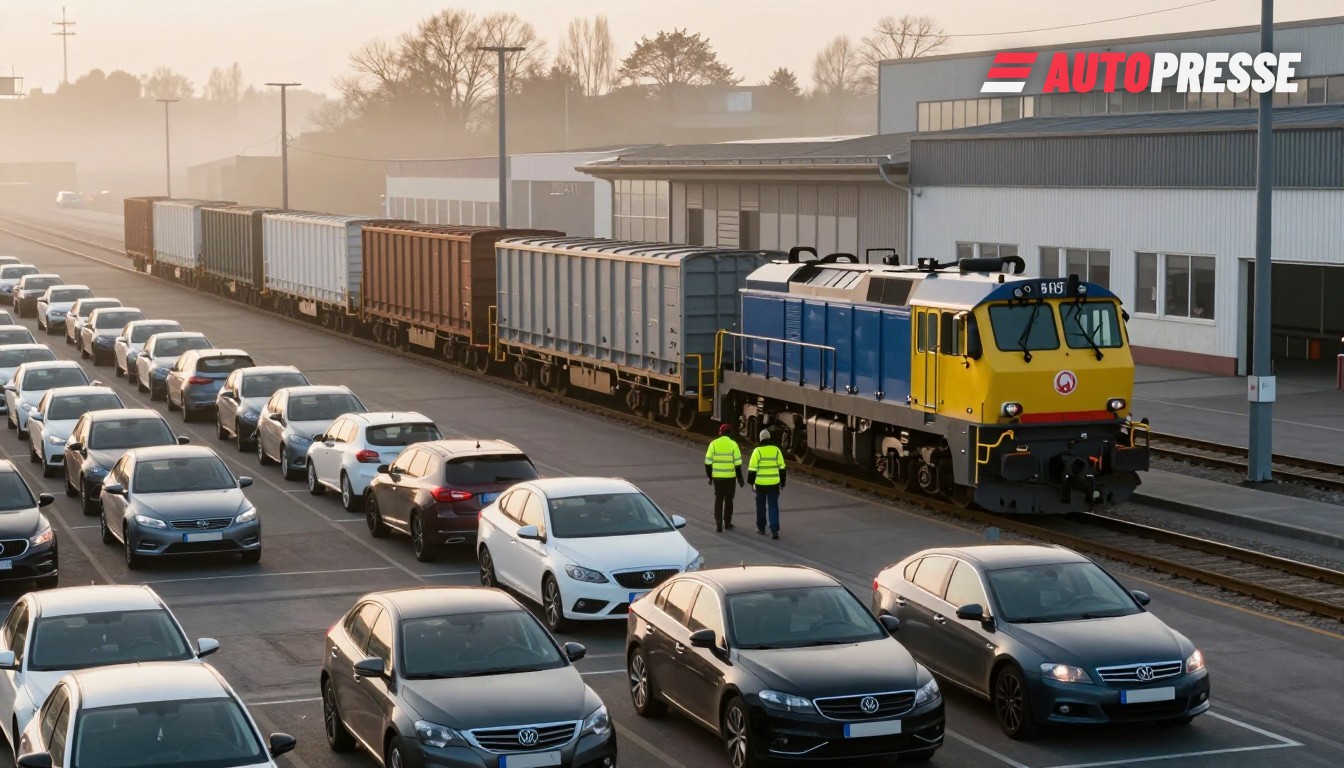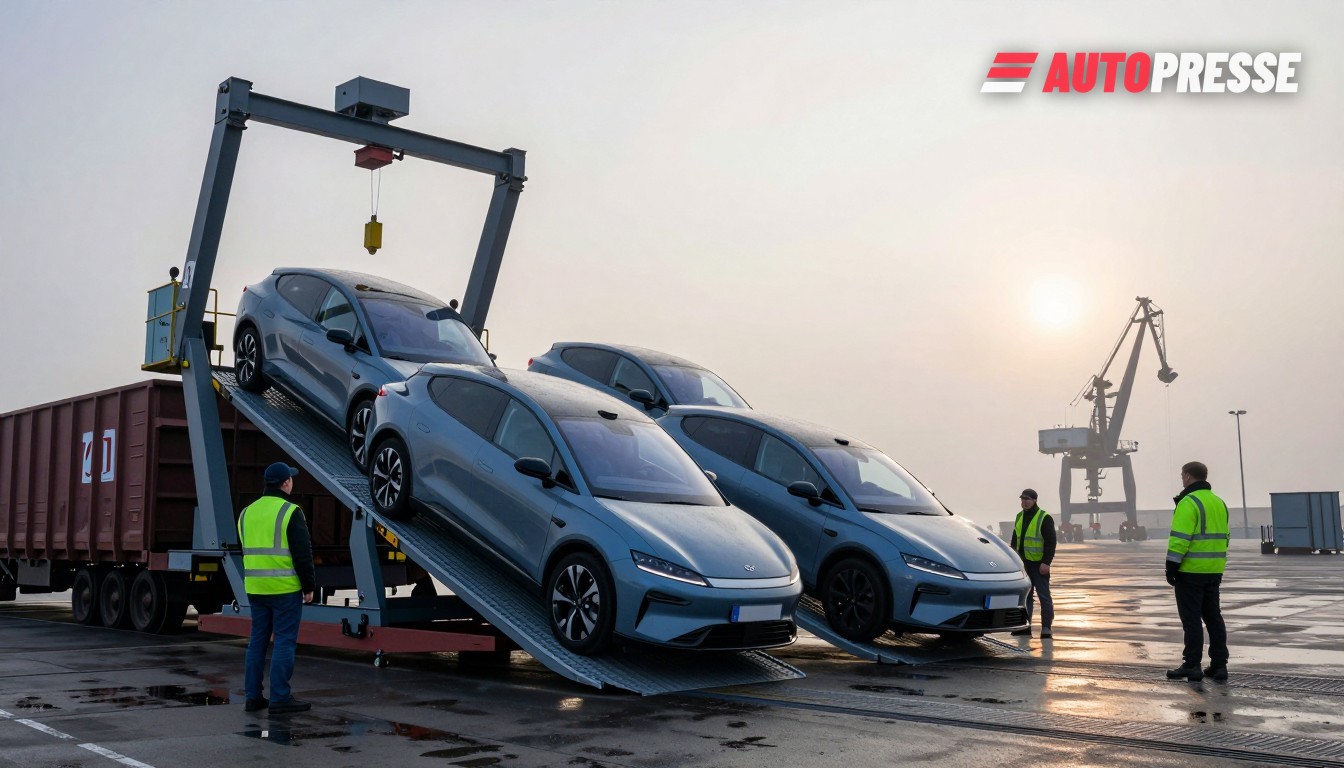
Germany and Austria have moved from pilot projects to concrete change in cross‑border trade. Vienna has finished the paper 'Laufzettel' process and pushed Smart Border Austria into mandatory use; Berlin in August presented a sweeping Zoll reform to strengthen and digitalise customs. The parallel shift is already reshaping terminal workloads, compliance work and workforce training across both countries.
Two administrative pivots — dates and numbers
Austria’s Federal Ministry of Finance states the paper Laufzettel procedure ended on 16 September 2026 and that the nationwide roll‑out of Smart Border Austria’s digital processes moved into regular operation on 1 October 2026. The ministry’s timetable lists individual border‑customs points that switched earlier (for example Tisis and Höchst in June–August 2026) and notes remaining local works at Hohenems expected in 2027.
In Germany the federal cabinet adopted the draft for the Zollfinanzgerechtigkeitsgesetz on 12 August 2026 — a package the finance ministry says will modernise the customs administration, expand enforcement powers against financial and organised crime and push digital tools such as AI‑assisted data analysis into routine use. The ministry framed the measure as the most significant strengthening of the customs service in years.
Ports, terminals and training: simultaneous investment and strain
At the same time Germany’s big ports are juggling heavy capital programmes and operational disruption. Hamburger Hafen und Logistik (HHLA) reported container throughput for January–June 2026 down 6.7% to 2.959 million TEU and said modernisation work and related construction on transport routes contributed to operational shortfalls; the company has since adjusted its 2026 earnings outlook.
Major private investments continue: A.P. Moller – Maersk’s APM Terminals and Eurogate announced plans on 13 February 2026 for a €1 billion upgrade of the North Sea Terminal Bremerhaven (NTB), aiming to raise capacity from around 3 to 4 million TEU and to decarbonise operations through electrification and renewables — a vote of confidence in North‑Range capacity even as hinterland links are remodelled.
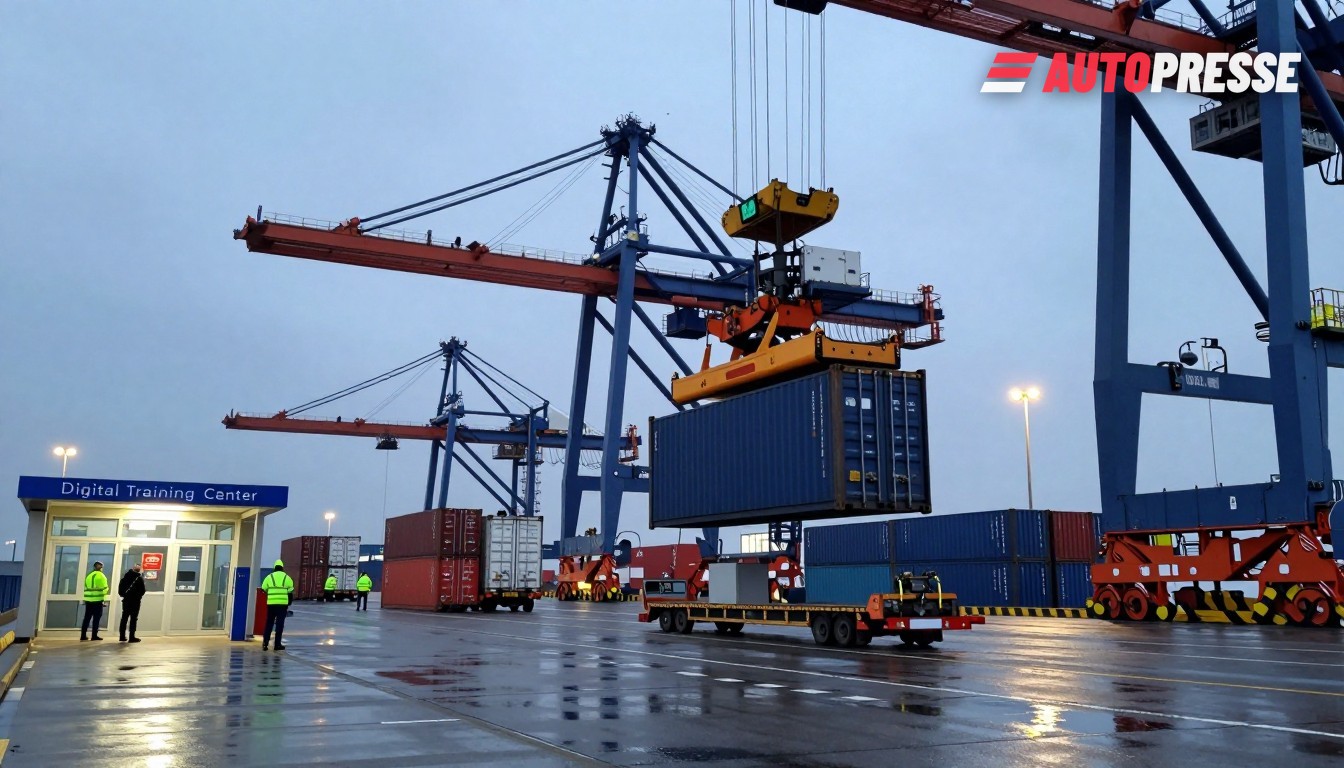
Crucially, the port sector has also completed a skills push. The PortSkill 4.0 project — funded under the federal IHATEC programme and coordinated in Hamburg — closed in February 2026 and delivered a Digital Training Center plus modules for remote‑crane operation, robotics, AGV process control and AI‑assisted workflows for port staff. The project partners stressed that qualification is now a core part of modernisation rather than an afterthought.
What this means for the market
For shippers and forwarding agents: Austria’s mandatory Smart Border will speed standardised electronic clearance at many crossings (the BMF lists switch‑over dates and the Oct 1, 2026 regular operation), but it also raises immediate IT and process requirements for hauliers and customs brokers who must update software and procedures. For German importers the Zollfinanzgerechtigkeitsgesetz signals tougher checks and stronger enforcement powers from 12 August 2026 onward, increasing compliance costs and the need for tighter invoice and supply‑chain records.
For ports and terminal operators: large‑scale investments such as the planned €1bn NTB upgrade coexist with disruptive automation and rail/road works that have hit throughput at Hamburg. Operators should expect short‑term volatility in dwell times and hinterland capacity even as medium‑term resilience improves.
For workers and the labour market: the PortSkill 4.0 outcomes show the sector is already investing in re‑skilling — from remote‑control crane operation to AI literacy. Industrial modernisation without parallel training creates bottlenecks; Germany’s DTC and similar programmes in Austria will determine how smoothly terminals convert automation into stable throughput.
Overall, the next six to 12 months will be a test: digital customs and bigger, cleaner terminals ought to cut friction and carbon in the long run, but expect a period of higher compliance work, software roll‑outs and short‑term port volatility while investments and retraining finish their ramp‑up.
B2B vehicle listings on WorldTrader24 →
Sources: Austrian Federal Ministry of Finance (Smart Border Austria), German Federal Ministry of Finance (Zollfinanzgerechtigkeitsgesetz), HHLA, APM Terminals / Eurogate, Port of Hamburg (PortSkill 4.0)