The German and Austrian automotive supply chains are facing a fast‑moving logistics test: Germany’s state rail freight arm must hit a year‑end profitability deadline while a construction partner for the Brenner Base Tunnel disclosed a mid‑October cyberattack, even as Austria boosts intermodal capacity at Vienna South. The developments matter to manufacturers, suppliers, dealers and workshop chains that rely on rail links for just‑in‑time parts and cross‑Alpine flows.
DB Cargo under the EU clock
Under the EU‑approved restructuring plan, DB Cargo was required to become profitable by 31 December 2026; recent reporting shows the operator remains under pressure and expects a loss for 2026, forcing renegotiations with Brussels and the German government.
Deutsche Bahn’s own interim reporting notes a major transformation: agreements with the works council point to a reduction of roughly 6,200 DB Cargo positions in Germany by 2030 as part of the reshaping – a signal that capacity and workflows will be altered during the transition.
The Railway and Transport Union (EVG) has warned that further problems remain in the rehabilitation effort, underlining the risk of continued disruption to rail freight services across Germany and into Austria.
Brenner cyberattack: data accessed, construction unaffected — so far
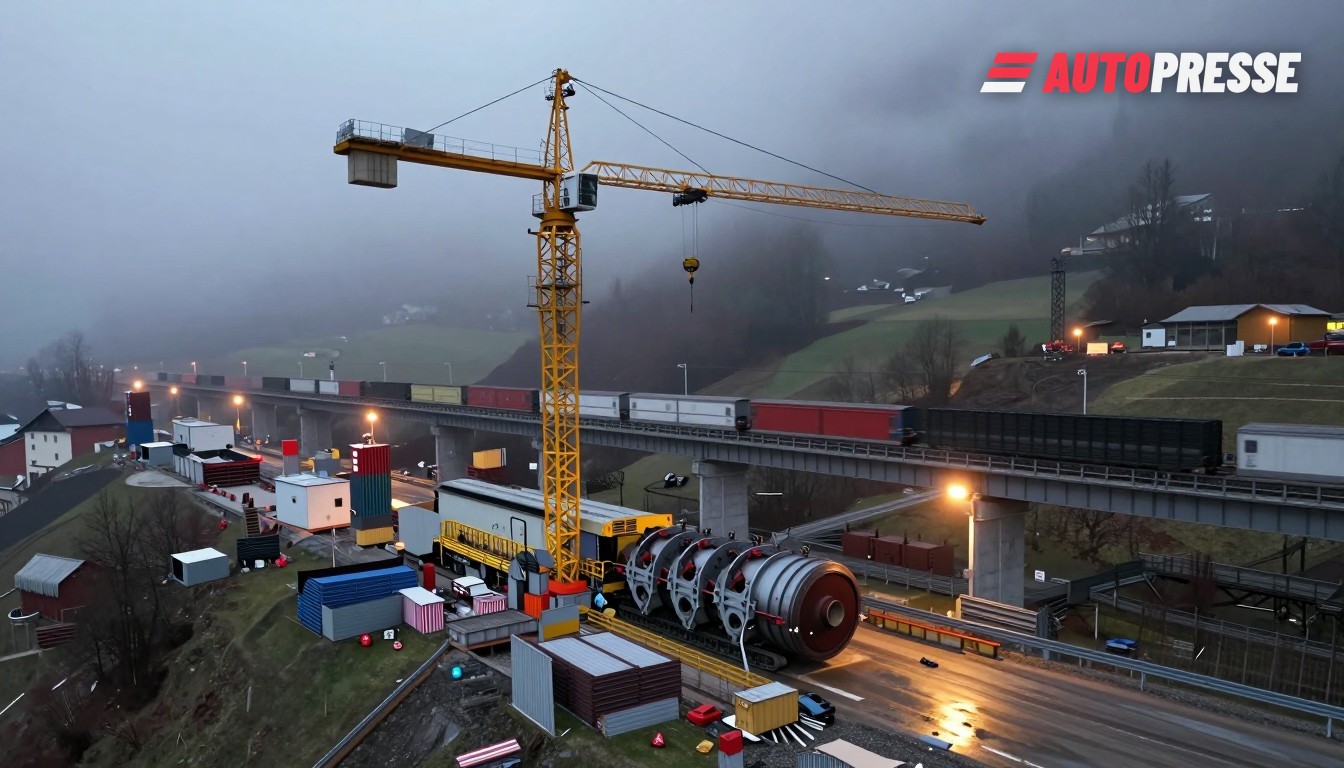
BBT SE, the consortium building the Brenner Base Tunnel between Austria and Italy, confirmed that a targeted cyberattack in mid‑October 2026 allowed unauthorised access to some internet‑accessible data. The company said, based on current information, construction operations were not affected. The incident was disclosed publicly in early November.
International coverage and cybersecurity trackers named the likely timeframe (mid‑October) and reported steps taken by BBT SE to isolate affected systems and involve external specialists, while investigations continue. The attack sharpens attention on digital resilience for major Alpine freight infrastructure that is intended to shift truck traffic to rail.
Austria adds capacity at Vienna South
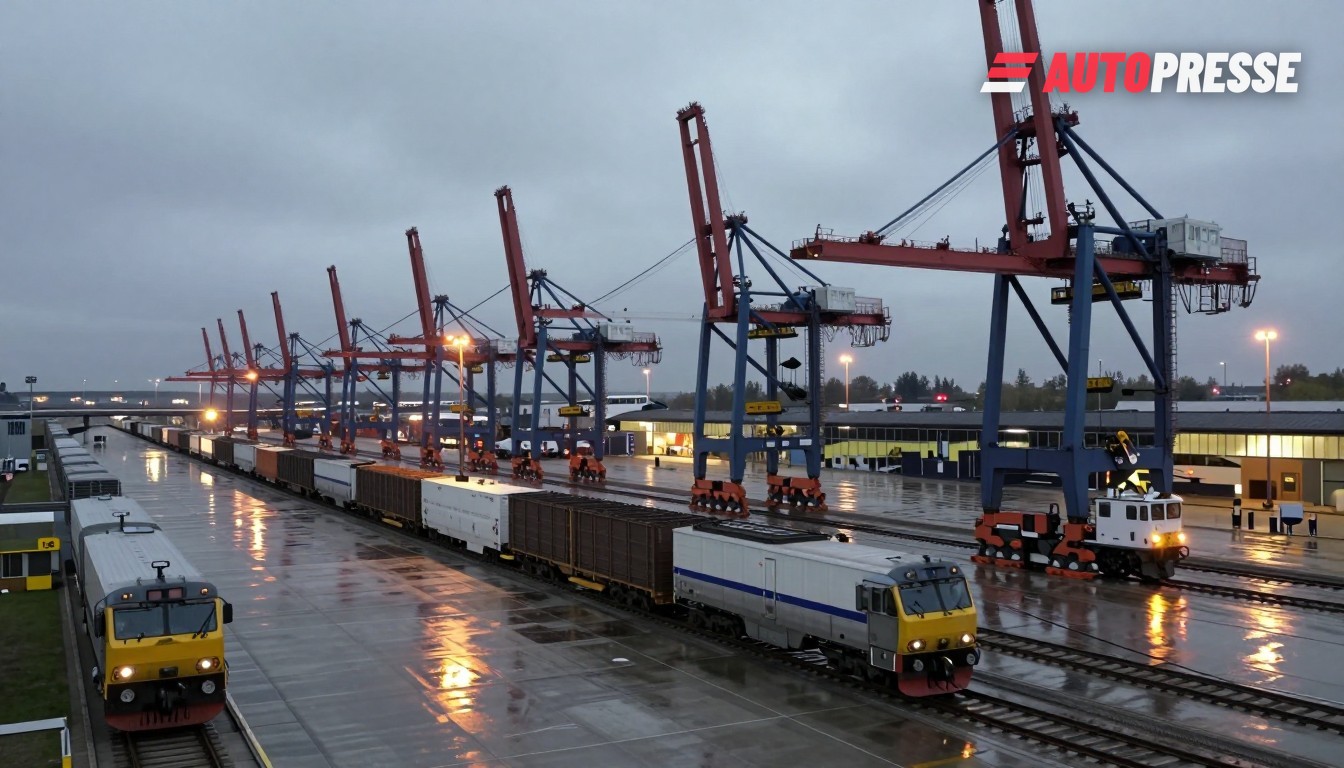
At the same time Austria is preparing to increase combined‑transport capacity: ÖBB says new gantry cranes for the Freight Centre Vienna South have arrived and the first crane is already being assembled; commissioning is scheduled for December 2026, and loading tracks will be extended to 700 metres by the end of 2026. Those upgrades aim to speed intermodal transfers on north–south routes.
What this means for the market
Short term: manufacturers and tier‑1s should expect volatility in rail timetables and capacity until DB Cargo’s restructuring stabilises — the operator’s EU deadline (31 Dec 2026) and persistent warnings from EVG make disruption a live risk. Shippers that normally rely on rail for cross‑Alpine parts flows may need contingency plans (additional truck capacity, re‑routing or use of extended inventories) while Vienna’s terminal upgrades and the Brenner project ultimately intend to grow rail capacity.
Medium term: if DB Cargo’s remediation succeeds and the Brenner Base Tunnel comes online without further operational impact, the region could see faster, greener north–south freight and reduced highway truck pressure. But the recent cyber incident is a reminder that digital security must be part of any capacity‑building plan for critical transport projects.
Sources: Deutsche Bahn, RailJournal, TheRailAgenda, EVG/Logistik Heute, ÖBB, BBT SE / Euronews