Germany and Austria are racing to turn electric mobility from niche to mainstream — but they are doing it with different strengths. Germany is pouring infrastructure and software muscle into the EV transition; Austria is seeing rapid BEV uptake and retooling apprenticeships and industry ties to keep pace. The changes affect drivers, dealers and workshops across both countries: more public chargers and regular over‑the‑air (OTA) improvements mean better ownership experiences, while new battery and skills investments reshape jobs and dealer service plans.
Charging expansion and the software race
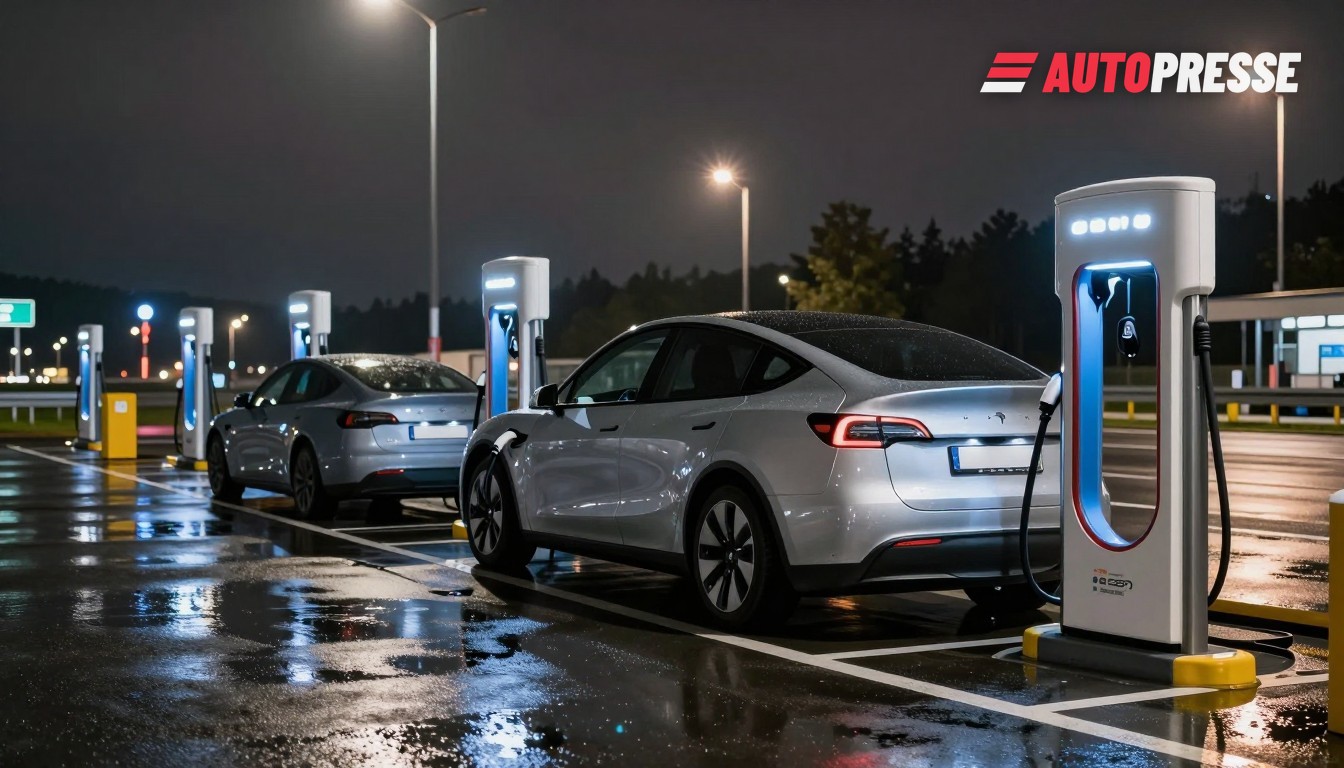
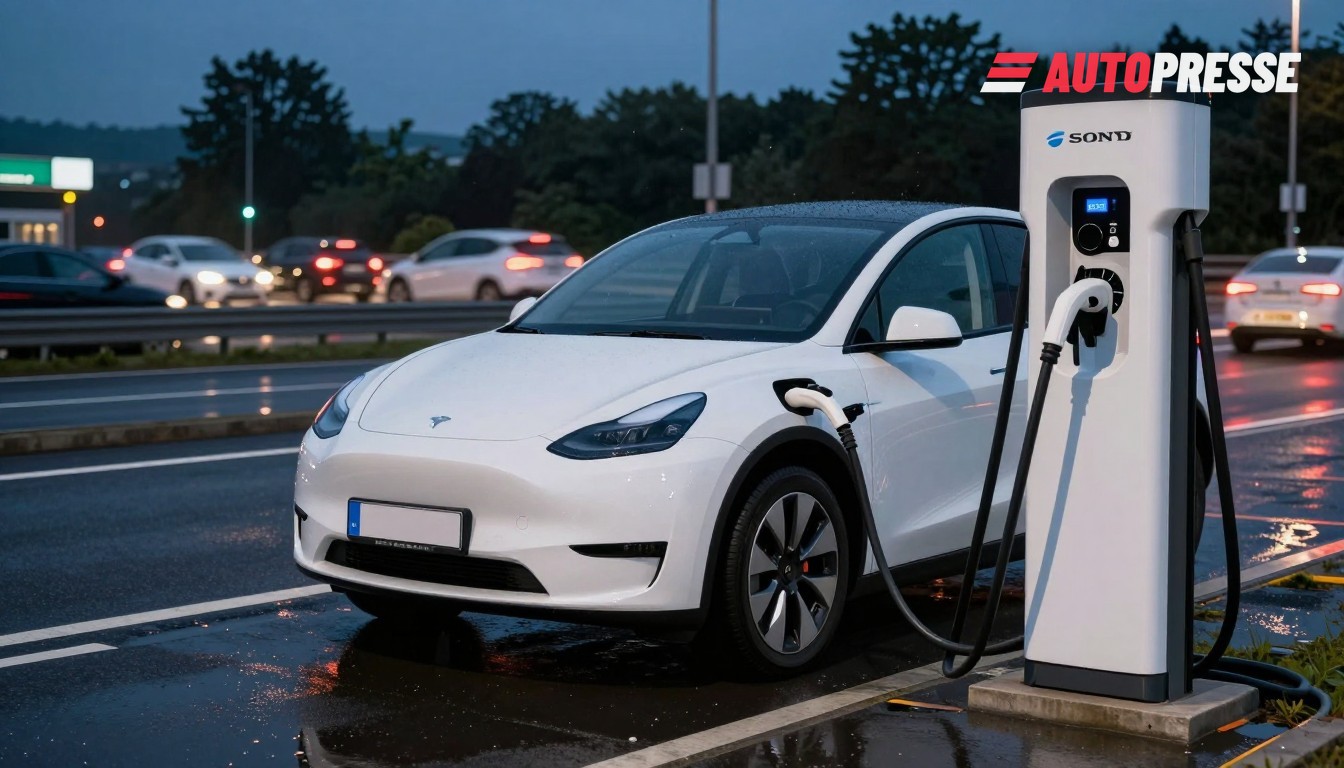
Public charging in Germany climbed sharply through 2026. Government registers and industry tallies put the number of publicly accessible charge points above 210,000—with roughly 50–60k DC fast chargers counted in national data—highlighting a continued build‑out of high‑power sites on motorways and in cities. That growth is concentrated in cluster investments by network operators and OEM‑linked consortia that stress interoperable payment and uptime. Builders also report rising installed peak power across networks to shorten stops for BEV drivers.
At the same time German OEMs and suppliers are making the vehicle itself a continuous‑update platform. Mercedes‑Benz has announced hands‑free and point‑to‑point assisted driving functions for Germany, delivered via its MB.OS and OTA rollout to eligible customers, and Volkswagen, BMW and major Tier‑1s are accelerating software‑defined vehicle programmes and three‑month update cadences. These moves shift value from hardware to software in service, warranty and dealer roles.
Austria: fast sales, training and industrial ties
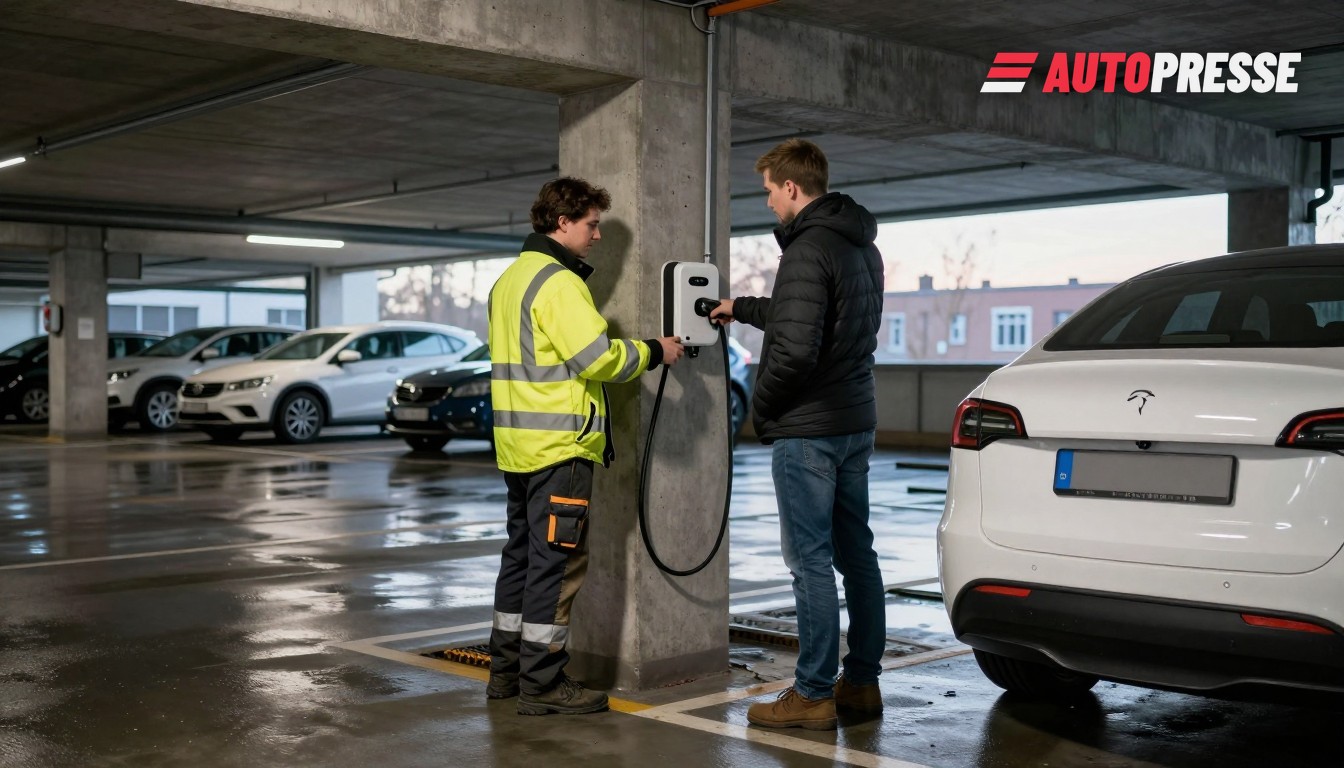
Austria posted a new BEV registration record in October 2026: 8,434 battery‑electric cars and a BEV share for the month of 34.9%, underlining a steep, continuing adoption curve driven by model availability and fiscal measures. At the same time Vienna and federal ministries have pushed upskilling measures and apprenticeship modernisation to give workshops and plants the technicians they need for high‑voltage systems and ADAS servicing. Austria’s ministry statements and national studies back a stepped‑up focus on e‑mobility skills in vocational education.
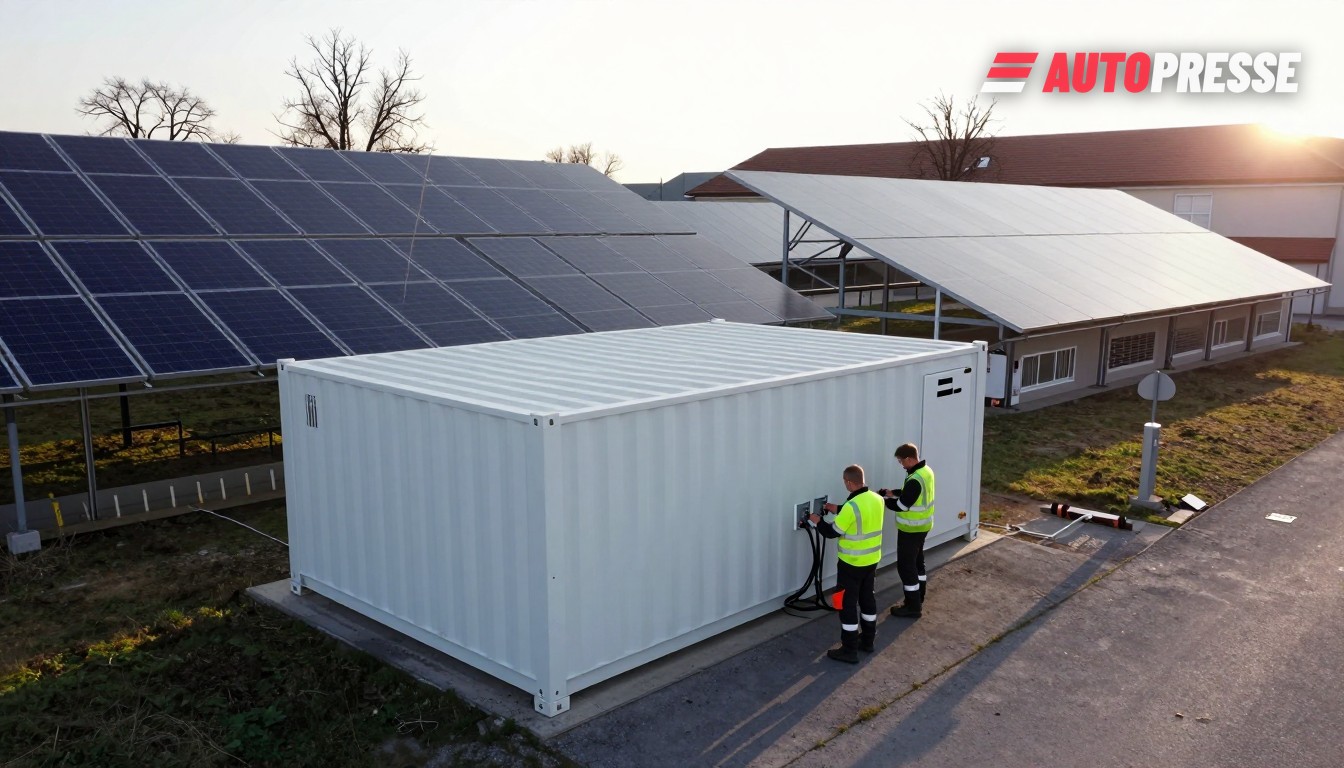
Industry in Austria is also deepening energy and materials partnerships: steel and energy groups are forming multi‑year deals on renewables, hydrogen and storage that aim to secure low‑carbon power for electrified manufacturing and battery recycling pilots—efforts that tie the automotive supply chain to national energy plans.
What this means for the market
Short term (12–24 months): drivers will see more fast chargers and frequent OTA feature updates, but dealers must invest in software tools and high‑voltage service bays to retain aftermarket revenue. Workshops will be judged on software diagnosis and safe HV handling as much as mechanical skill.
Medium term (2–5 years): the combination of local BEV demand (especially in Austria) and Germany’s infrastructure push will make both markets more attractive for new vehicle launches and for aftermarket software‑service products. Firms that combine charging, vehicle software and energy flexibility stand to capture recurring revenue streams; suppliers and regional plants will need suitably trained technicians, accelerating demand for modernised apprenticeships and retraining.
Finally, expect consolidation in battery cell projects and a pragmatic focus on manufacturing that can match European costs and supply‑security goals — large industrial players are already signing energy and recycling linkages to anchor the value chain.
Electric vehicle listings on WorldTrader24 →
Sources: Verband der Automobilindustrie (VDA), Bundesnetzagentur, BMW Group, Mercedes‑Benz Media, Austrian Federal Ministry (bmimi.gv.at), BDEW, Fraunhofer E‑MAPP