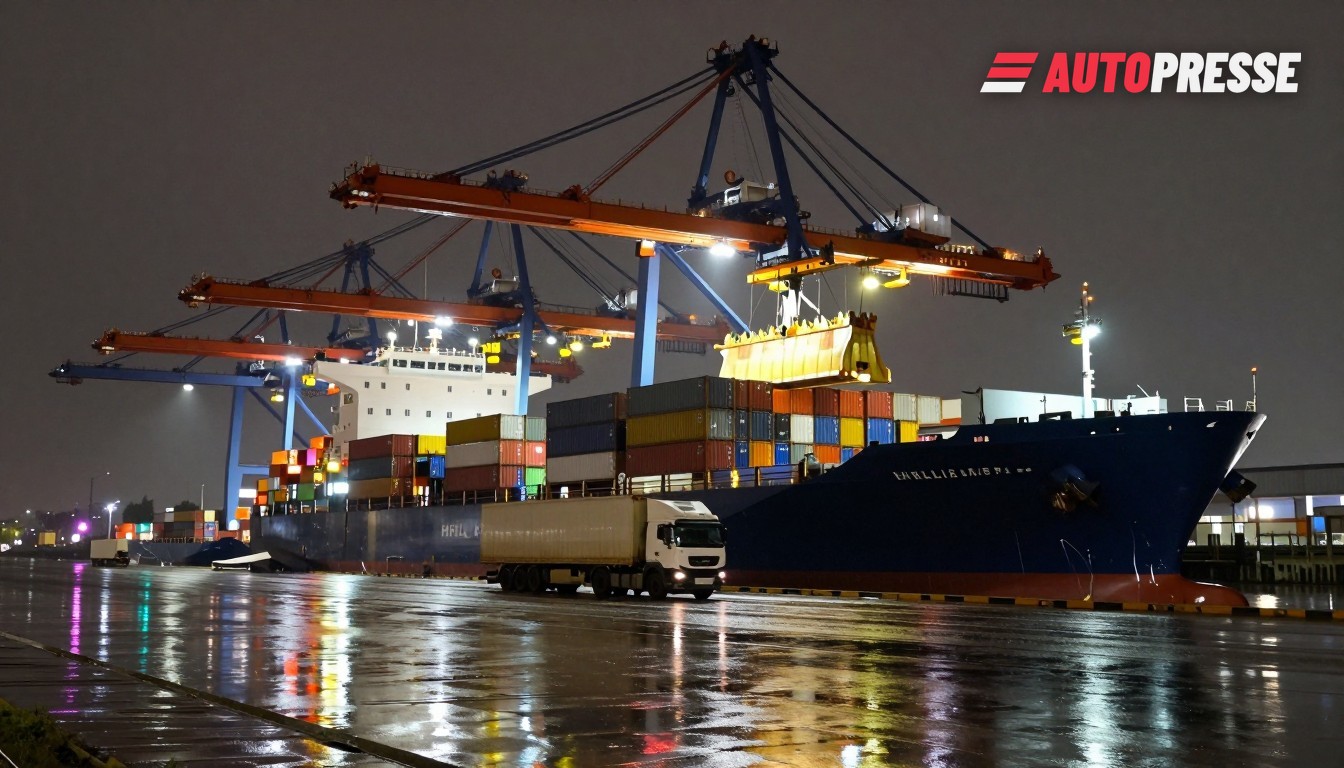
Germany and Austria are in the middle of a push to digitise ports and expand intermodal rail, backed by new public and private money — yet the shift is happening while volumes and operations wobble. For OEMs, suppliers and dealers the result is a short‑term squeeze on timeliness and a long‑term hope for steadier supply chains.
Ports: loans, automation and teething troubles
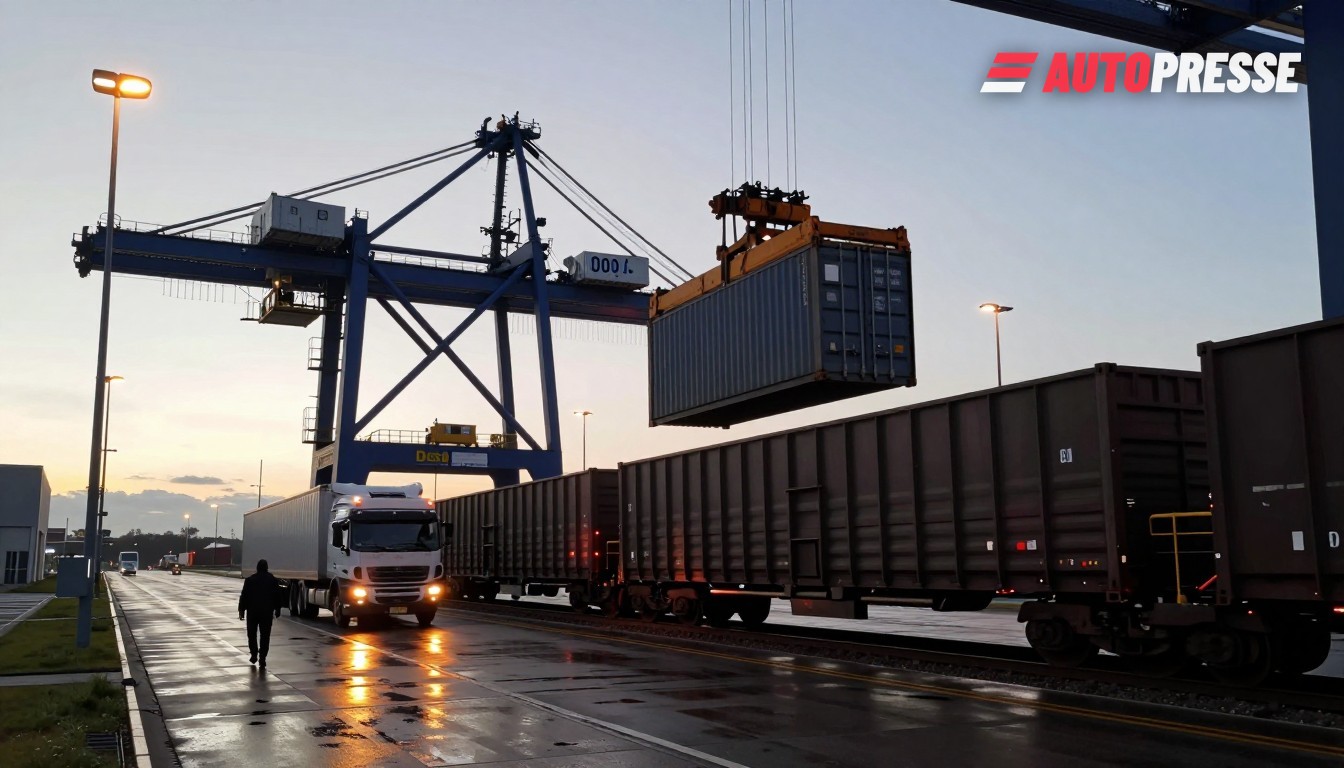
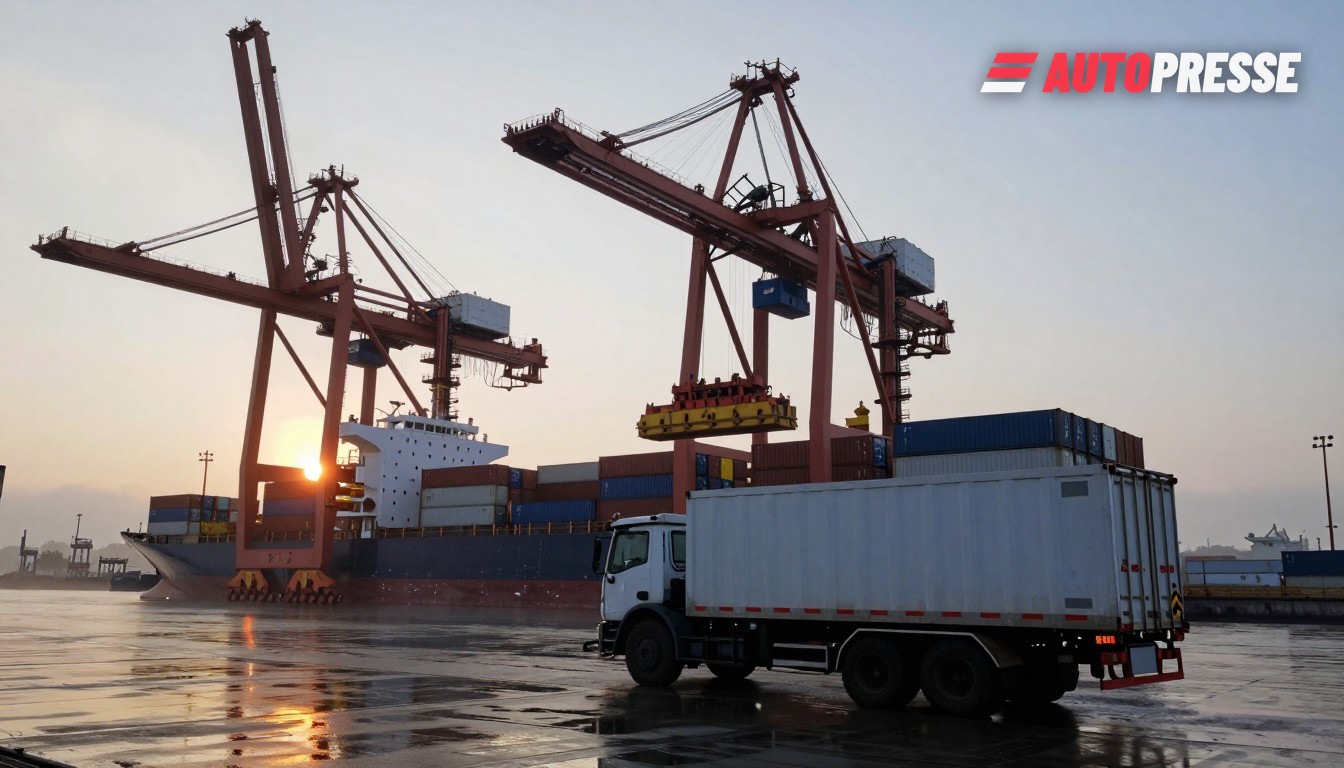
Eurogate has secured an €82 million loan from KfW IPEX‑Bank to pilot automation and digitalisation at its Wilhelmshaven container terminal — part of a wider automation wave that operators plan to roll out to Hamburg and Bremerhaven if pilots succeed.
At the same time Hamburg’s biggest terminal operator has adjusted forecasts after container volumes fell sharply: HHLA reported a decline in throughput in the first nine months of 2026 (around 4.20–4.44 million TEU depending on the reporting line) and has warned that automation projects, industrial action and wider disruptions have hit cargo flows and earnings. HHLA has slowed some forecasts for 2026 while prioritising stabilisation of automation works at its Hamburg sites.
Germany’s North Sea ports completed a technical milestone earlier in 2026 when DAKOSY and dbh finished a cross‑port digital container release (Secure Release Order), creating a single digital standard for container release at Hamburg, Bremerhaven and Wilhelmshaven that should shorten dwell times once operational kinks are fixed.
Rail: EU cash and new Central‑European links
The European Commission’s CINEA opened the 2026 Connecting Europe Facility (CEF) Transport calls, making €1.1 billion available to build and modernise TEN‑T infrastructure — a fund German and Austrian rail and terminal projects are eligible to tap as they modernise links and yards. The 6 October 2026 call drew 246 applications requesting almost €3 billion, underlining demand across the network.
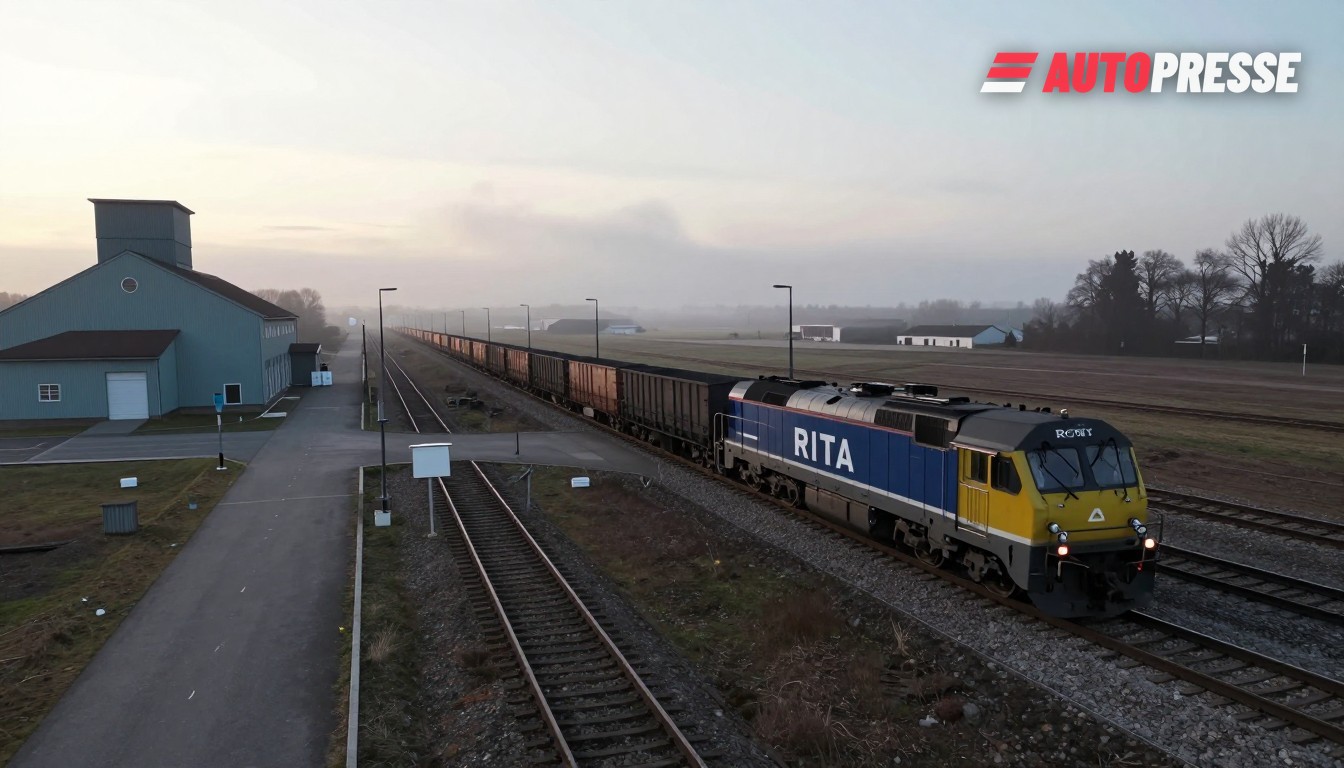
Operationally, Austria’s ÖBB Rail Cargo Group has continued to expand cross‑border services: on 16 November 2026 it introduced a new TransFER intermodal service between Łódź (Poland) and Budapest (Hungary), running two round trips per week via Czechia and Austria, and adding access for consignors to ÖBB’s Central‑European rail network. That service underlines how rail operators are betting on new corridors to absorb freight from congested seaways and roads.
What this means for the market
Short term: shippers and automotive supply managers should expect local disruptions and longer dwell times while terminals stabilise automated cranes and digitalised processes — Hamburg is effectively operating through a winter of construction and change. That raises risk for just‑in‑time parts deliveries and forces some logistics planners to keep buffer stock or seek alternative routes.
Medium term: successful pilots and CEF funding would cut inland dwell times, increase predictability and re‑route more cargo to rail. For Germany and Austria that means lower road haulage exposure in Alpine corridors and better resilience for factory supply chains — but the transition will favour companies prepared to adapt contracts, IT and storage strategies now.
WorldTrader24 B2B vehicle marketplace for dealers →
Sources: Port Technology, HHLA interim statement Q1–Q3 2026, European Commission (CINEA), German Ports, RailMarket