Germany and Austria are quietly refitting the arteries that move cars, parts and batteries across Central Europe: Austria’s ÖBB is rolling out a €2.6 billion digital interlocking programme, regional terminals such as Cargo Center Graz are changing hands, and global terminal owners are expanding into Europe — moves that matter to dealers, suppliers and fleet operators who rely on punctual cross‑border transit.
Digital signalling and new regional hubs
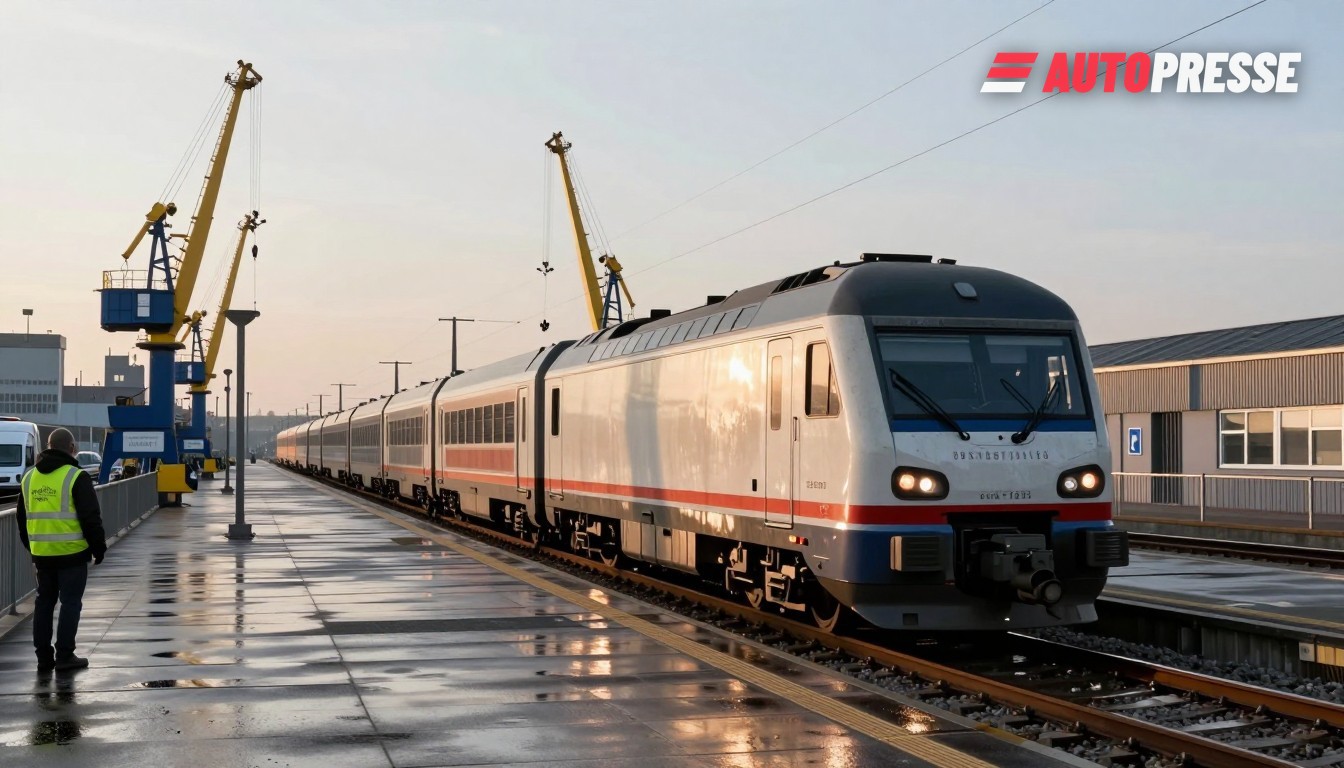
ÖBB this autumn confirmed framework agreements worth approximately €2.6 billion to deliver a new generation of digital interlockings — the control systems that run points and signals — aiming to raise reliability and create a modern platform for traffic management and automation. The programme, ÖBB says, will underpin future rail capacity and places Austria among the earliest large‑scale adopters of digital signalling in Europe.
At the policy level, Austria and Germany have deepened bilateral cooperation on rail research and automated driving after high‑level talks at InnoTrans in Berlin on 24 September 2026, signalling closer alignment on corridor projects and innovation that affect Brenner and other freight routes.
Adriatic routes and new owners reshape flows
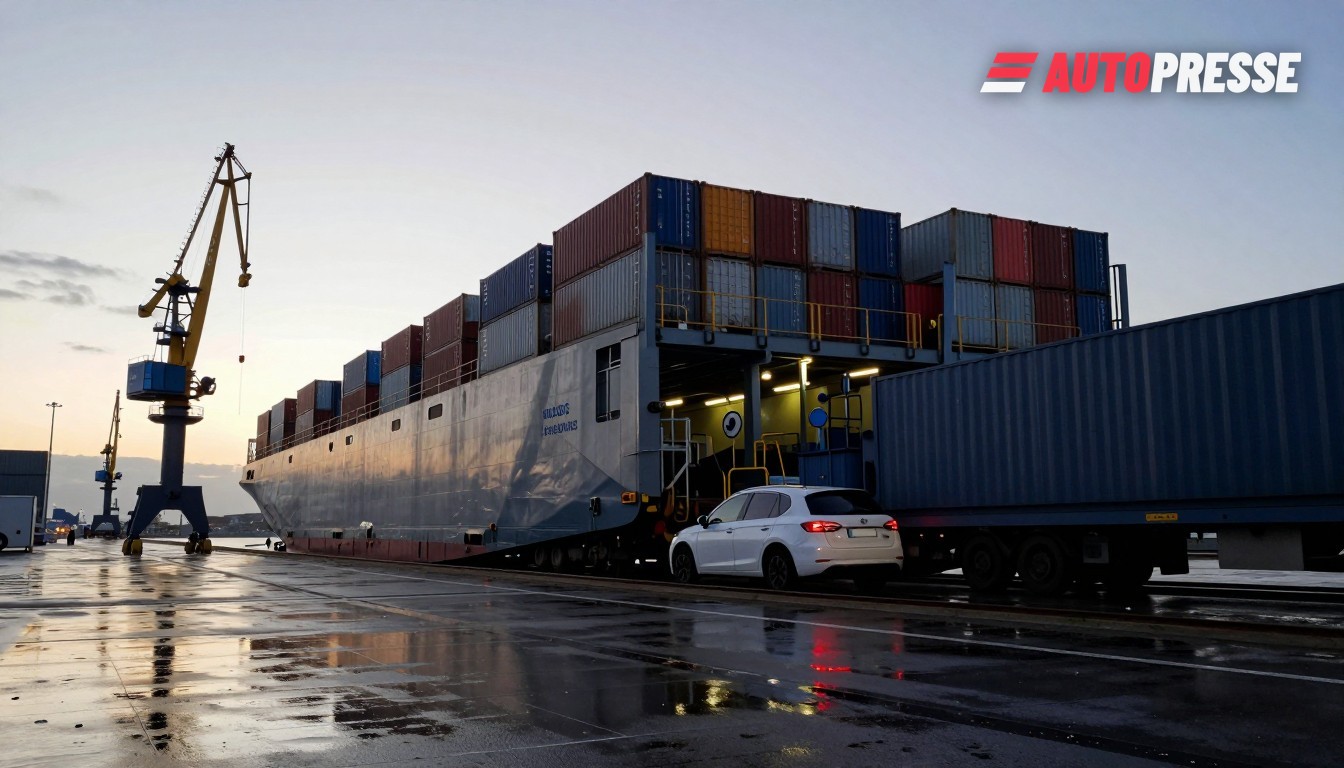
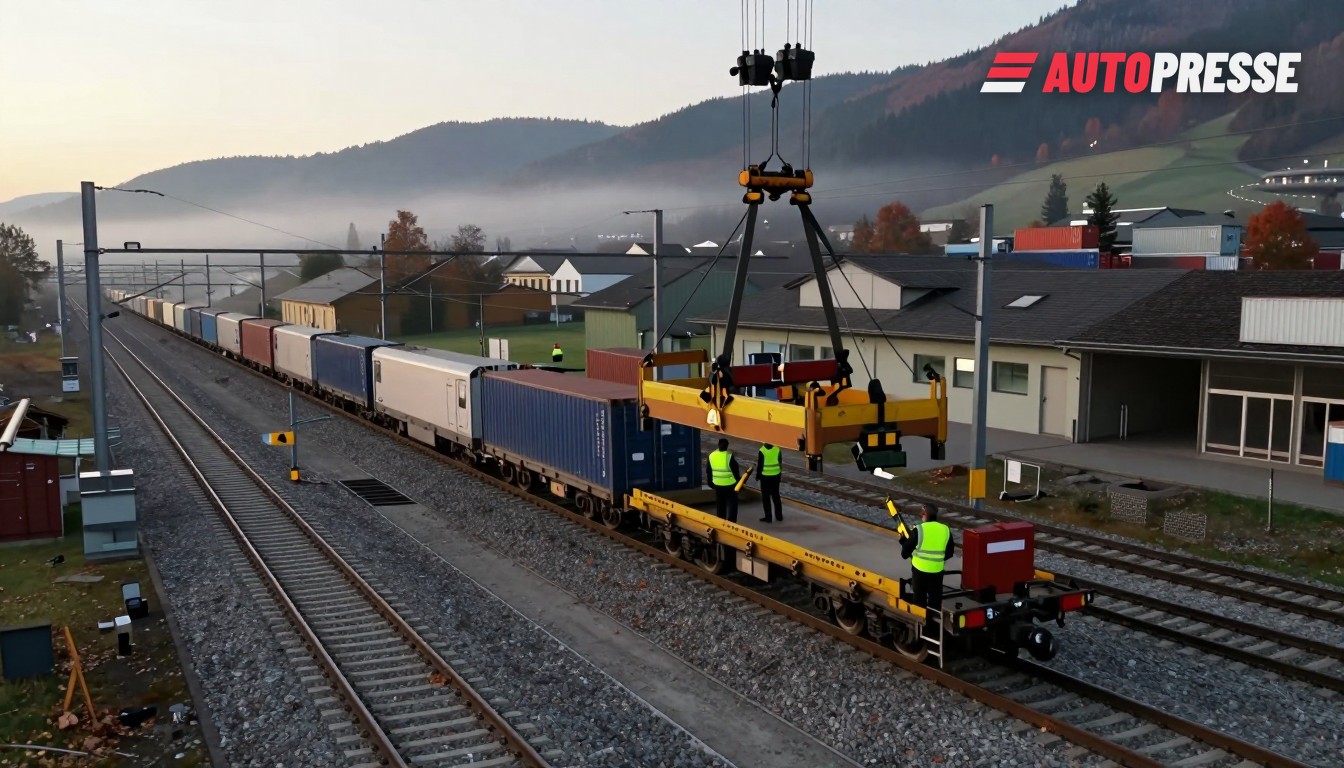
Terminal ownership and corridor choices are shifting too. Contargo took a 50% stake in Cargo‑Center‑Graz (CCGL) at the start of 2026, positioning the Werndorf terminal as a stronger node between Adriatic ports and German industrial regions — a practical response to growing use of Koper, Rijeka and other northern‑Adriatic gateways for Austrian and southern German freight.
At the same time, APSEZ (Adani Ports) announced on 5 November 2026 it will acquire Evos B.V. — Europe’s second‑largest independent liquid storage operator — at an enterprise value of €2.56 billion, bringing eight port‑based terminals (including one in Hamburg) under a single owner and boosting capacity in Europe’s fuel and chemicals hubs. The deal widens the set of players with influence over port slotting, storage and inland pipeline feeds that German and Austrian logistics chains rely on.
Meanwhile, Austria’s rail volumes rose in 2025: Statistics Austria reports total rail freight at 96.2 million tonnes, up 1.8% year‑on‑year, with Germany remaining Austria’s most important partner for international receipts and dispatches. That steady traffic has supported increased private‑sector interest in terminals and corridor investments.
Market structure is also changing: the Austrian market saw new safety certificates and route permissions for carriers in late 2026 — Adesso Rail, Medway Austria and others won approvals to operate across Austria, Germany and Italy — adding capacity but also new scheduling complexity for infrastructure managers.
What this means for the market
For German and Austrian OEMs, suppliers and logistics buyers the message is practical: digital signalling and more intermodal terminal capacity reduce punctuality risk over time, but the short‑term effect is more actors, new commercial owners and tightened competition for port and rail slots. That will favour freight forwarders that can combine flexible inland links with early bookings at Adriatic and North Sea ports; it will also raise the value of local terminals (like Graz) that offer fast tranship to rail.
Operators should expect continued investment cycles rather than instant relief: digital interlockings need years of rollout, and large M&A moves such as the Evos buy require regulatory approvals and local integration — creating brief windows of capacity uncertainty but longer‑term scale benefits. In practice that means fleet planners, dealers and parts logisticians must factor in seasonal congestion and re‑route options (Adriatic vs North Sea) when scheduling imports of high‑value parts and finished cars.
WorldTrader24 B2B-Fahrzeugmarkt für Händler →
Sources: ÖBB press office; Austrian Federal Ministry (BMIMI); Statistics Austria; AdriaPorts; Adani Ports (APSEZ); Schienen Control.