The EU’s removal of the €150 de‑minimis exemption on 1 July 2026 has flipped a years‑long trade pattern: low‑value parcels from Asia are being replaced by bulk imports into European fulfilment centres, and the logistics map for Germany and Austria is shifting accordingly. That change is visible in a fresh wave of large warehouse commitments in Central Europe — and a November announcement that crystallises the trend for regional freight flows.
Poland as Europe’s fulfilment engine — and the German/Austrian fallout
On 5 November 2026 Chinese fast‑fashion platform Shein announced plans to expand its European logistics hub in the Wrocław region with an additional €500m investment, a step the company says will scale its in‑market stock and operations for Europe. The move follows wider platform strategies: Temu and others are already shifting inventory into EU warehouses, with public reporting that Temu expects most European orders to be fulfilled from inside the Union.
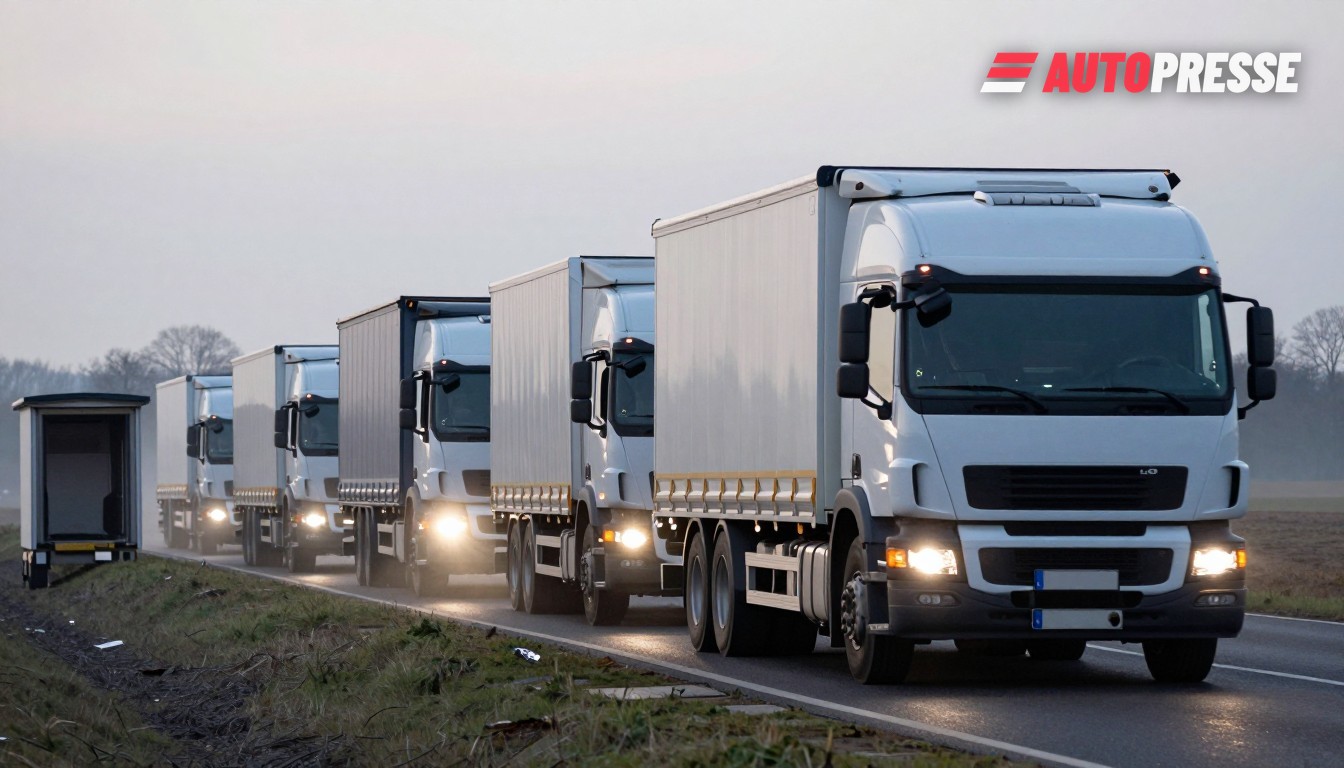
That re‑routing is measurable. Industry trackers estimate Chinese and other non‑EU ecommerce players committed more than 2.5 million sqm of industrial and logistics space across Europe in 2024–H1 2026, and Poland alone accounted for roughly 695,000 sqm of leasing to these operators in 2024–mid‑2026. For Germany and Austria this means more palletised, scheduled truck and rail movements coming west and south from Poland’s big fulfilment parks rather than millions of small parcel clearances at coastal ports.
Border, customs and modal impacts
Because goods released from EU warehouses circulate freely inside the single market, parcel‑level customs work drops — but hinterland flows grow. The EU’s temporary €3 per‑item duty (transitional until the Customs Data Hub in 2028) raised costs for parcel delivery from outside the bloc and helped accelerate the shift to local stocking inside Europe. The result: German and Austrian carriers now manage more frequent pallet runs from Central‑Eastern European fulfilment hubs, greater demand for bonded and ambient storage inside the EU, and heavier pressure on interregional trucking and intermodal slots.
What this means for the market
- Carriers and forwarders: expect a structural rise in scheduled LTL/FTL flows from Poland into Germany and Austria, and a need for higher capacity on major corridors (A2/A4/A12/A1). This shifts revenue away from parcel‑handling margins toward larger, more predictable pallet contracts. (Inference based on reported warehousing take‑up and carrier strategies.).
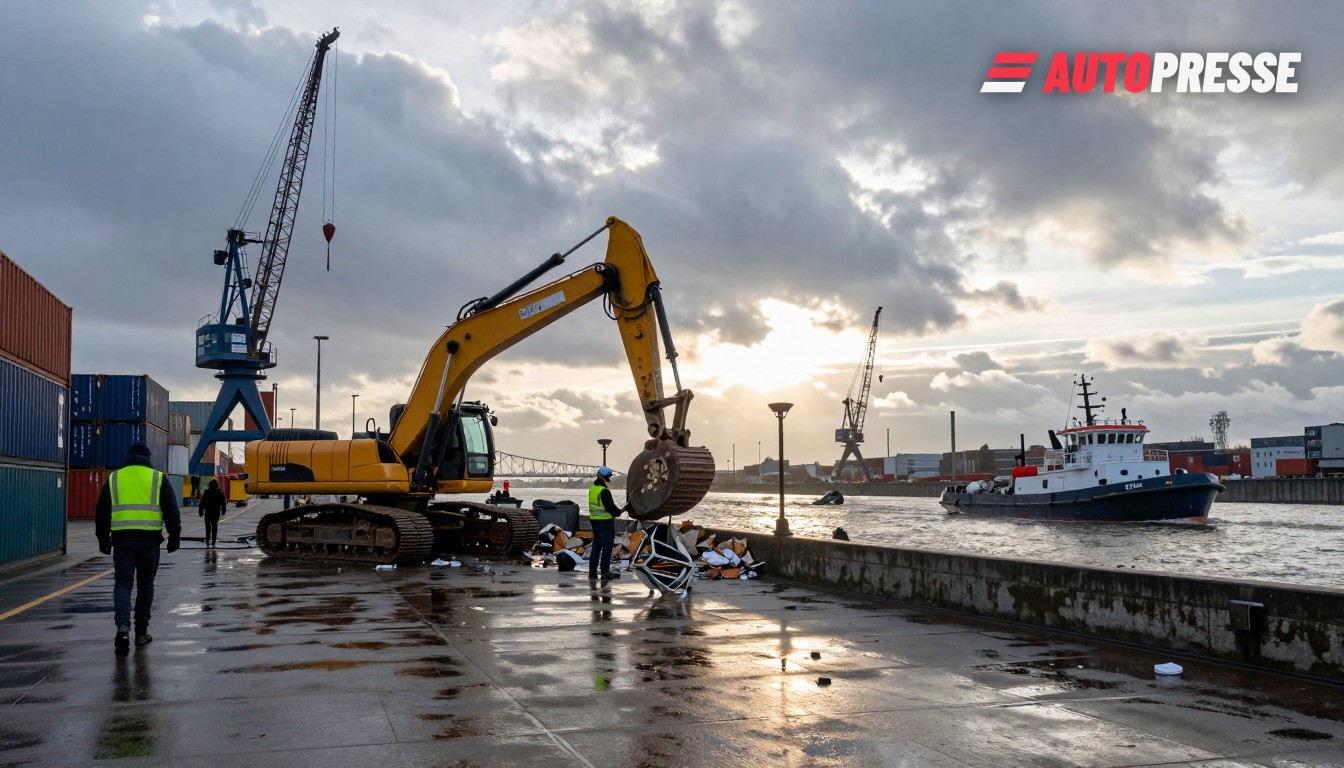
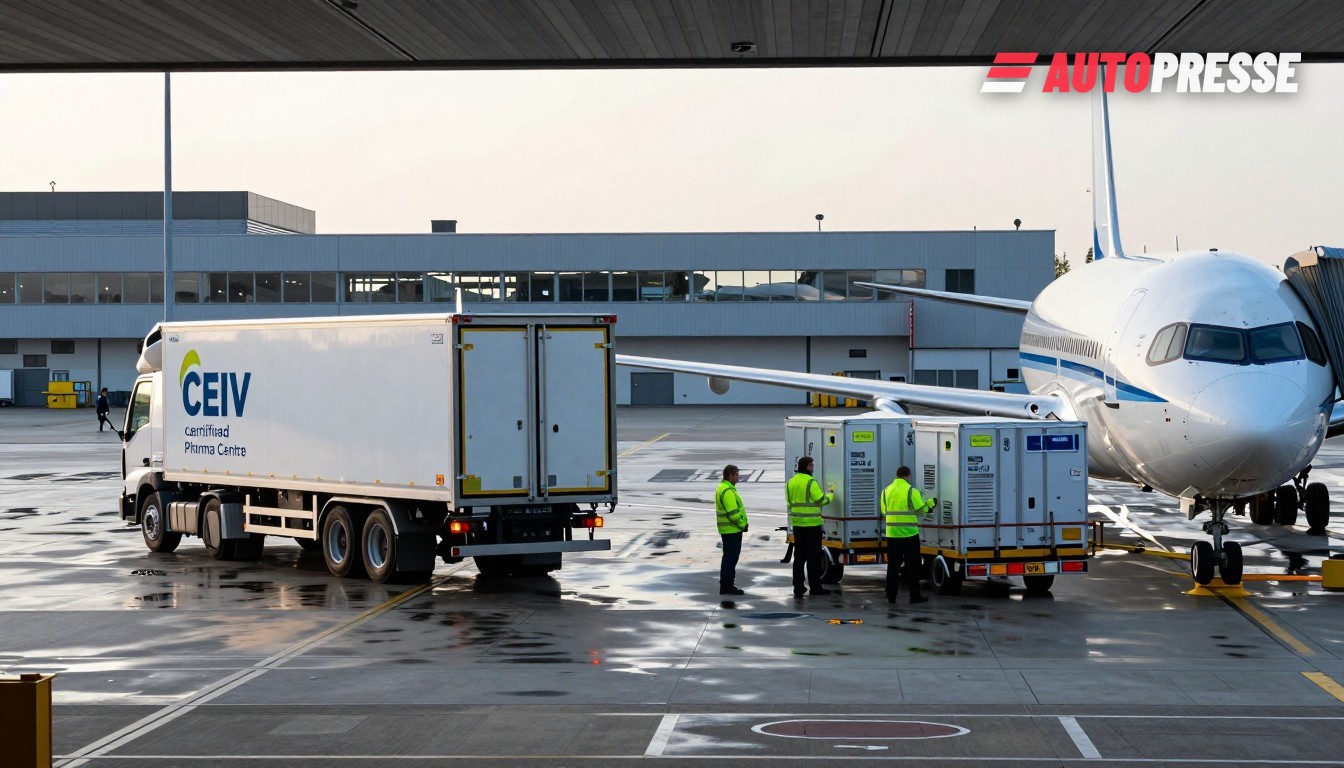
- Ports and airfreight: fewer small parcel clearances will reduce administrative pressure at some maritime customs desks, but container and air gateways remain essential for replenishing big fulfilment parks. Hamburg and Bremerhaven will still handle container flows that feed Central European hubs.
- Warehousing and real estate: demand for large fulfilment campuses in Poland — and well‑located, smaller urban micro‑fulfilment sites in Germany and Austria — will stay strong; landlords and investors are repositioning assets accordingly.
- Employers and labour: large fulfilment expansions create logistics jobs near new sites (Shein’s Wrocław expansion is expected to add around 2,000 roles), but German and Austrian last‑mile providers face ongoing staffing and scheduling challenges as network footprints evolve.
For dealers, parts logisticians and fleet managers in Germany and Austria the takeaway is practical: inventory strategies must adapt. More suppliers will deliver pallets from Central‑Eastern European fulfilment parks; warehouses and dealers should review inward‑logistics windows, storage capacity and rapid‑replenishment rules. (This is an inference drawn from leasing and policy developments cited above.)
WorldTrader24 B2B vehicle marketplace for dealers →
Sources: European Commission (DG TAXUD), NotesFromPoland, Waredock, Multimodal, Knight Frank