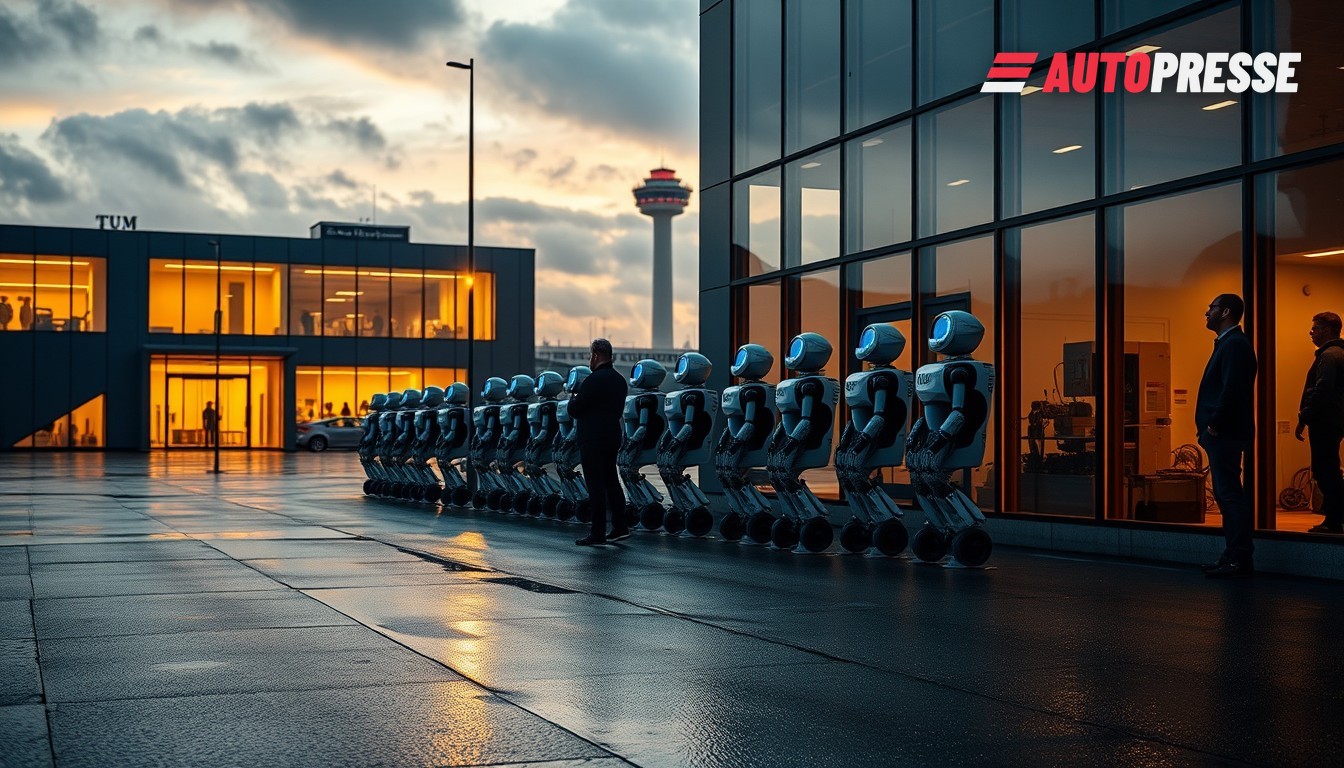
On 22 October 2026 NEURA Robotics and the Technical University of Munich (TUM) opened the TUM RoboGym powered by NEURA at LabCampus near Munich Airport — a 2,300‑square‑metre research and training centre built with TUM’s Munich Institute of Robotics and Machine Intelligence (MIRMI). The facility is intended to train robots on real factory and logistics tasks and to speed the transfer of AI research into German industry.
What opened in Munich — the facts
The partners say the joint initiative is financed with roughly €17 million over an initial three‑year period, of which NEURA contributes about €11 million in robots, computing and staff while TUM provides space and researchers. The RoboGym spans more than 2,300 m² and is already being used to train workflows for companies from “more than ten industries” — automotive, pharmaceuticals, medical technology, packaging, logistics, agriculture and care are listed as initial sectors. Partners have been running training since September 2026.
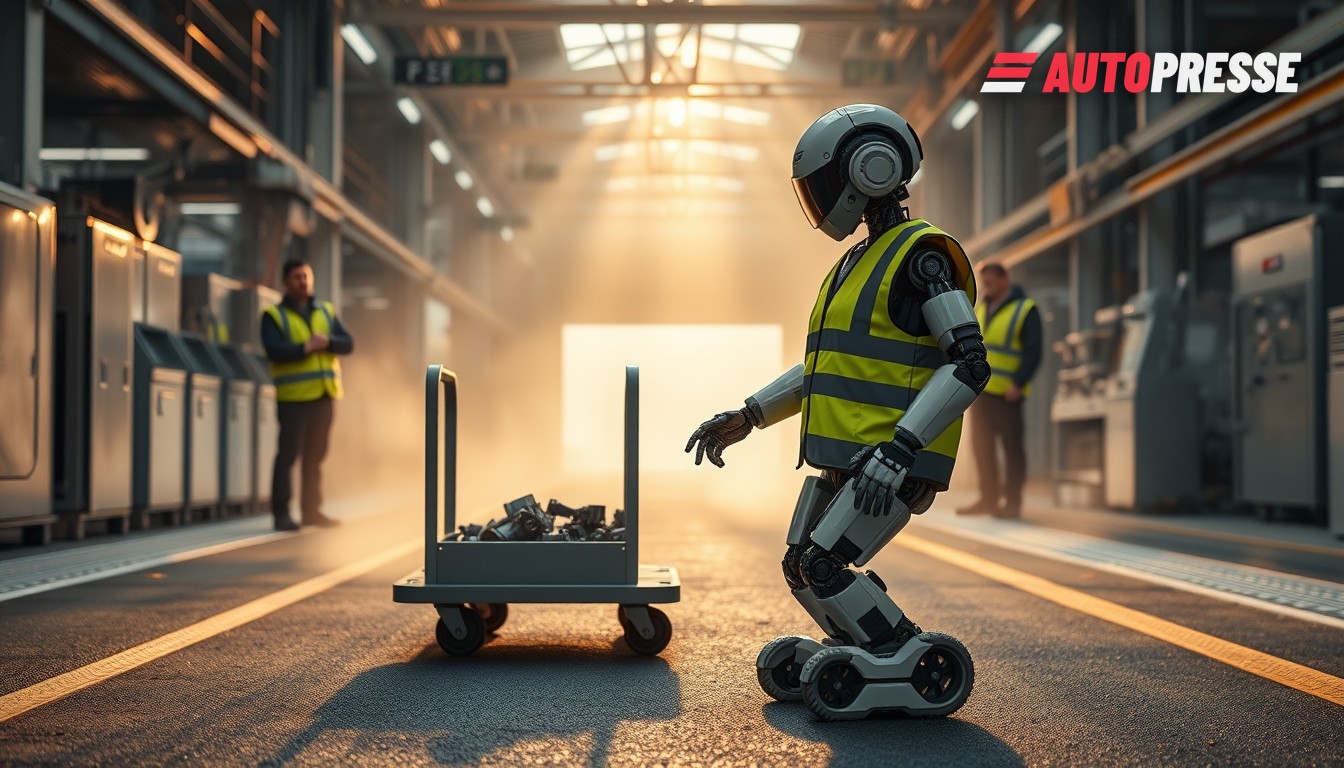
To mark the opening NEURA unveiled 4NE1 Gen 4, the latest generation of its humanoid platform. The company describes Gen‑4 as about 20% lighter than the previous model, with a slimmer, textile outer skin, improved hands and limb‑level reflexes; it runs NEURA’s Perception‑Language‑Action model “Neuron AI”, which integrates 3D vision, touch, force, audio and proprioceptive signals so robots can act on richer physical inputs. NEURA says the new robot is being prepared for series production.
NEURA frames the RoboGym as a three‑pronged data pipeline: real‑world robot runs, sensor‑rich human demonstrations (motion capture and instrumented suits) and simulation expanded by a “Data Amplifier”. The Neuraverse platform then connects training data, model updates and fine‑tuning so learned skills can be shared across a fleet of machines.
Why Germany — and mobility players — should care
David Reger, NEURA’s founder and CEO, said the project channels decades of shop‑floor know‑how into machine skills: “Our companies hold knowledge that has been built up over generations… With TUM, we are building a powerhouse for physical capabilities,” he said in the opening statement. That matters for German Mittelstand suppliers and OEMs because the RoboGym is explicitly positioned to shorten the time it takes to teach robots tasks such as machine tending, packaging and small‑parts assembly — activities central to automotive supply chains and logistics hubs.