Austria marked a clear local milestone in summer 2026 — more than 300,000 battery‑electric passenger cars were on its roads by July, and October posted a fresh monthly registration record with 8,434 new BEV licences. Mobility Minister Leonore Gewessler (press release) framed the milestone as proof that “e‑mobility has arrived” in Austria.
Numbers and momentum: Austria vs Germany
Austria’s vehicle statistics show the country’s new‑car market growing and electrifying: Statistics Austria reports a double‑digit increase in new registrations year‑to‑date 2026 and very strong month‑on‑month rises for BEVs — October’s surge continued a trend that pushed the national BEV fleet past the 300,000 mark in July.
Germany is also seeing faster electrification across the fleet: federal registration data and market analyses show a rising share of battery and plug‑in models through 2026, with alternative‑drive registrations up strongly compared with 2025. Independent trackers put the EU‑wide BEV share of new cars at roughly the low‑to‑mid‑20s in 2026 so far, with Germany contributing a large volume of those sales.
Charging, capacity and where the cells come from
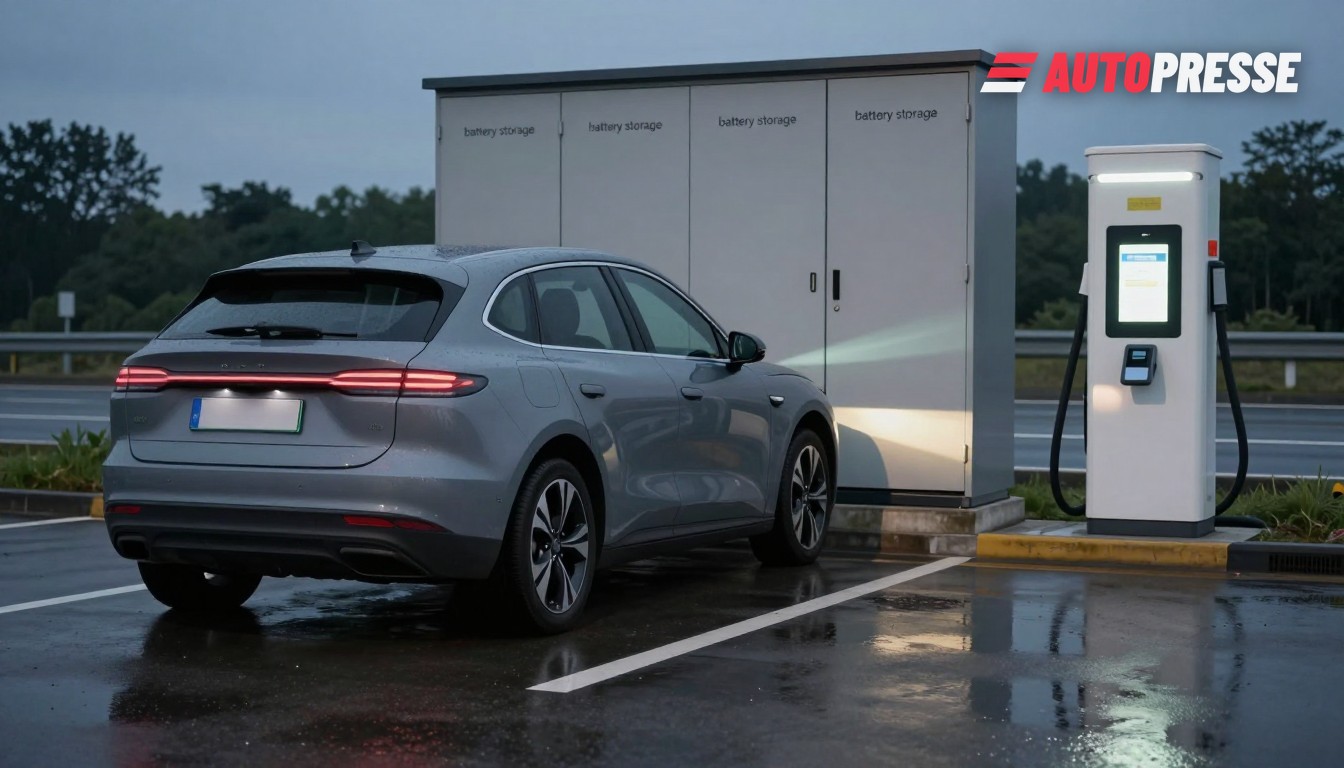
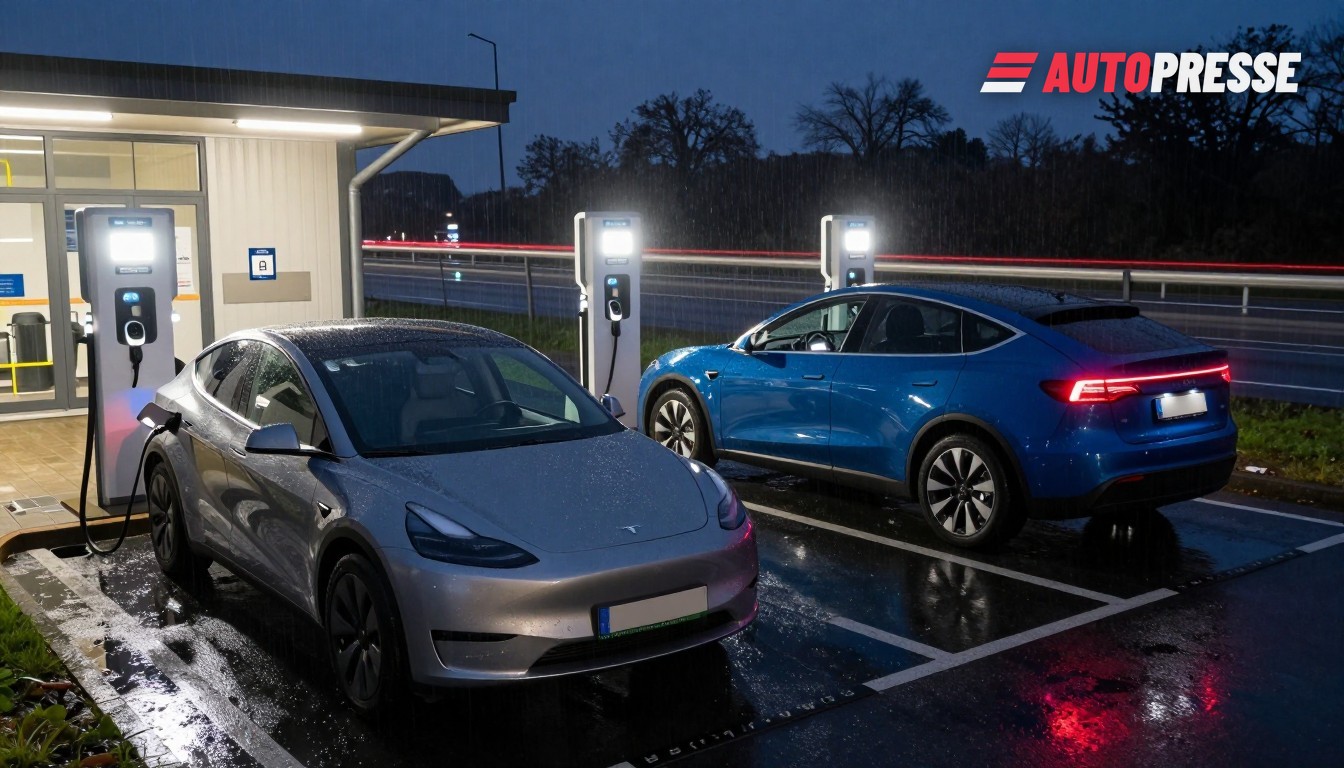
Charging infrastructure in both countries continues to expand but remains fragmented by operator and technology. Network monitoring projects list dozens of commercial operators active in Germany, with operators such as EnBW, ChargePoint (and local network providers) among the largest by connector count in recent inventories. At the same time, infrastructure dashboards show installed charging power rising year‑on‑year as public DC capacity and depot‑based solutions scale.
On the supply side Germany is pushing research‑to‑scale for battery cells: Fraunhofer’s FFB Fab — a research and pilot line in Münster scaled to gigawatt‑class cell production — moved into a new construction and pilot phase in 2026, positioning Germany to shorten the gap between lab chemistry and industrial cell output. The facility is explicitly framed as a European bridge between R&D and gigafactory production.
What this means for the market
Drivers and fleets: higher BEV model choice and rising charger counts make long‑distance electric use more practical in both countries, but charger quality and geographic gaps still matter for rural drivers. Austria’s high BEV penetration accelerates second‑hand BEV availability and fleet electrification in 2027.
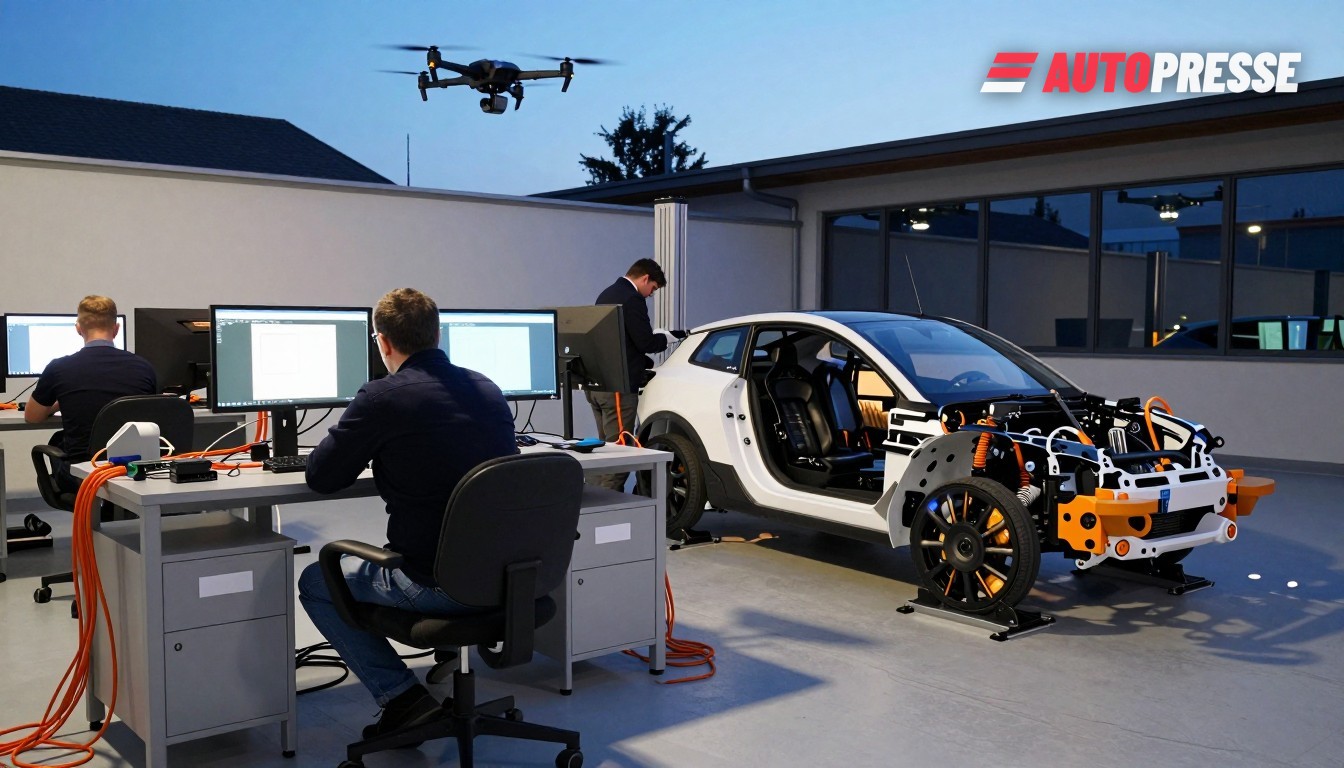
Dealers and workshops: rising BEV volumes will shift used‑car inventories and aftersales work — workshops must invest in HV training and diagnostic tools while dealers adapt retail and trade‑in practices to larger BEV flows. Statistical growth in new registrations underlines the speed of that transition.
Suppliers and factories: Germany’s investment in pilot‑to‑gigawatt cell lines (FFB Fab) reduces time‑to‑market for new chemistries and supports local supply chains, but scaling to full commercial gigafactories remains complex and capital‑intensive. That research push is aimed at keeping more of the battery value chain in Europe.
Grid and policymakers: rising BEV numbers create both demand and flexibility potential for grids; operators and regulators will need to coordinate capacity and smart‑charging rollout as public and depot chargers multiply. National statistics and infrastructure dashboards show the near‑term challenge: match growing vehicle electrification with usable, reliable charging and local cell production capacity.
Electric car listings on WorldTrader24 →
Sources: Austrian Ministry for Industry (BMIMI), Statistics Austria, Fraunhofer FFB Fab, ChargeInsights, KBA