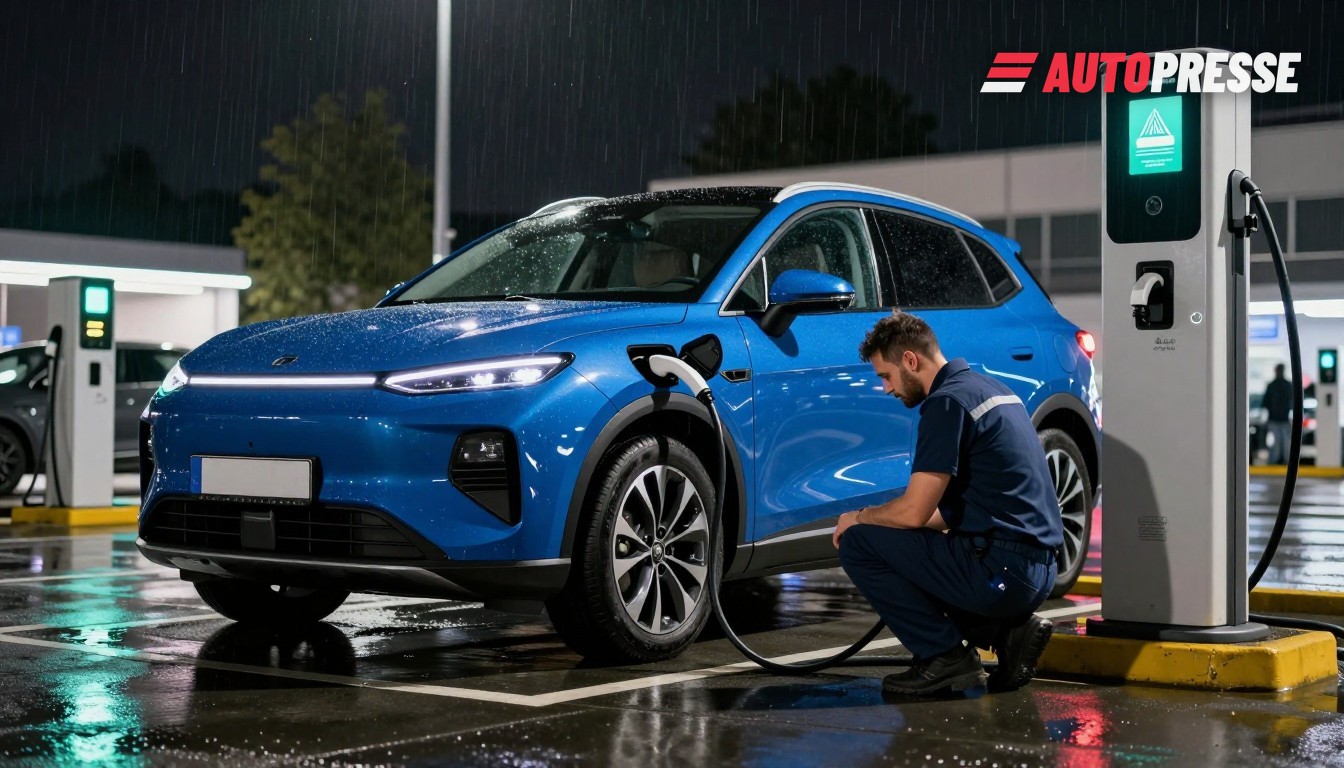
German and Austrian drivers are increasingly ready to treat cars like smartphones: a June 2026 DEKRA/Ipsos survey found 56% of German vehicle owners want over‑the‑air (OTA) software updates. That appetite collides with real‑world gaps — patchy roaming between charging networks, unclear end‑user prices and a falling supply of qualified apprentices — that could slow owners’ ability to use and service electrified vehicles.
Software and the rise of OTA in everyday cars
Automakers and suppliers are moving to software‑defined vehicles (SDVs) and zonal electrical architectures to enable regular OTA patches, new features and safety fixes. The International Energy Agency’s recent overview notes that OTA capability is becoming central to ADAS, battery management and infotainment lifecycles — and OEMs are scheduling regular update cadences as a product strategy rather than an option.
Drivers in Germany are taking notice: consumer guidance from ADAC explains how OTA can add functions or fix faults remotely, while industry surveys show rising consumer interest — a fact that dealers and workshops must address in warranty, recall and service routines.
Charging, roaming and price transparency remain weak
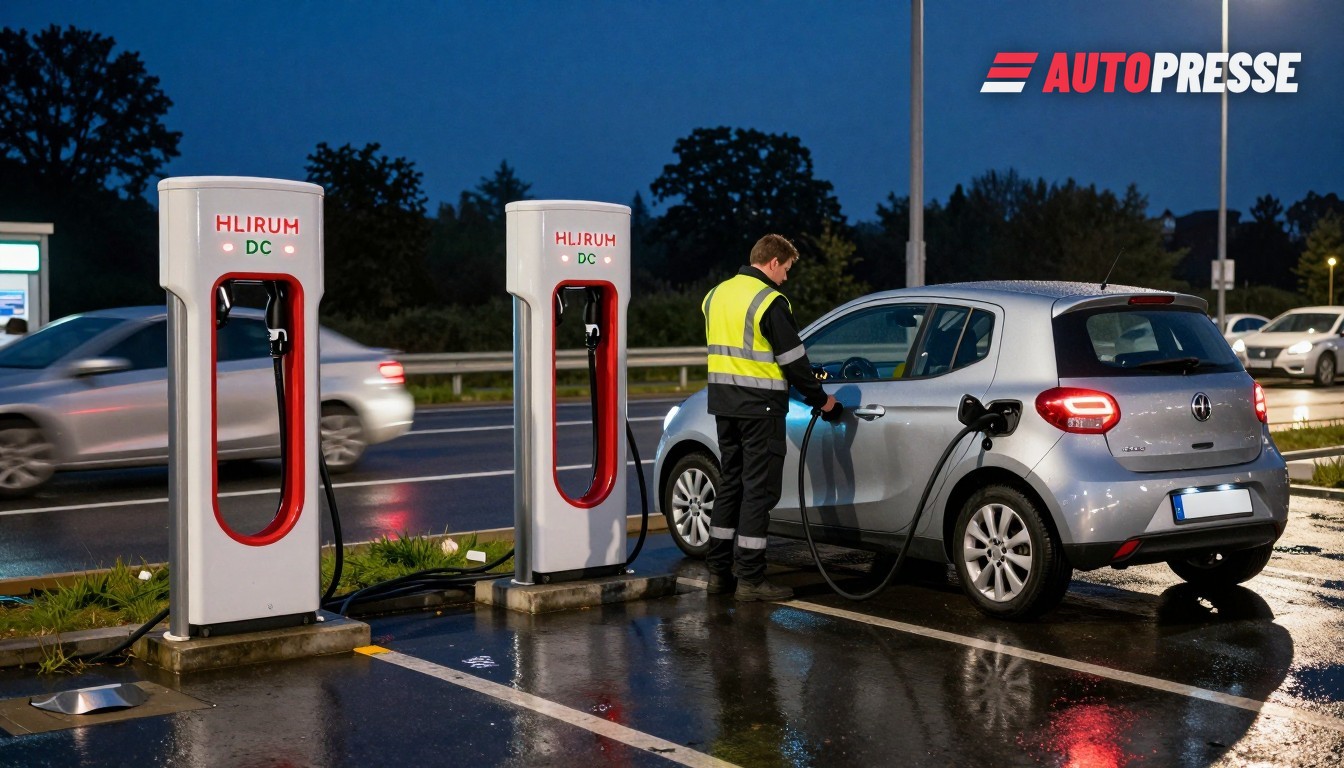
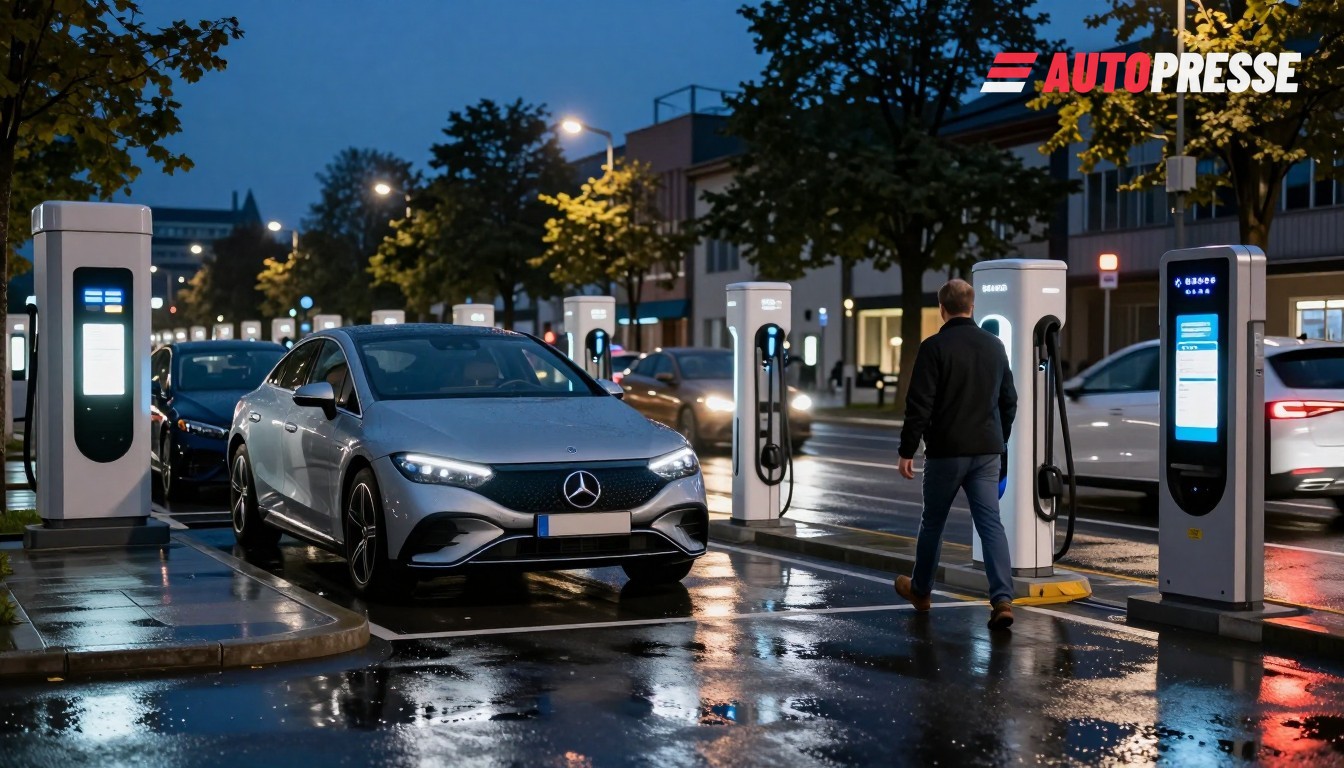
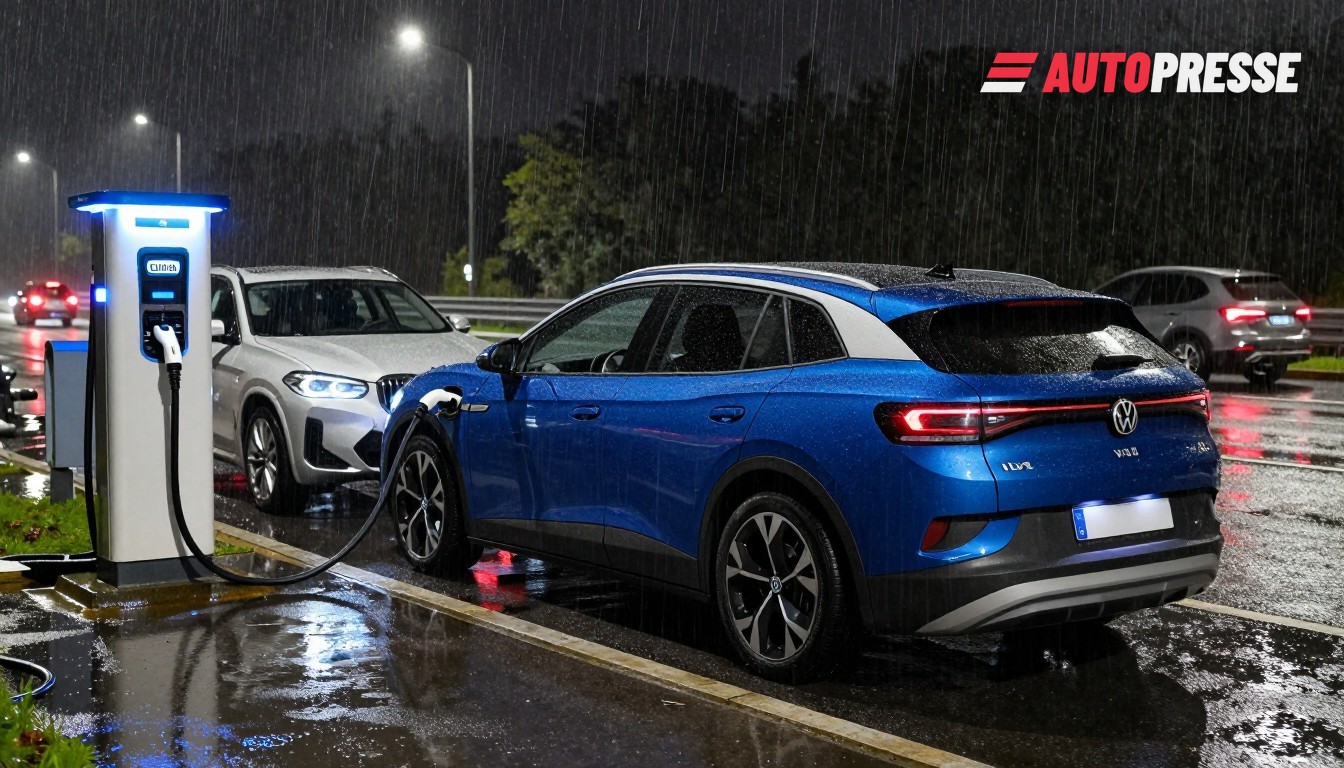
Public charging is technically ubiquitous but commercially fragmented. Austrian motoring club ÖAMTC has urged effective roaming regulation and highlighted an Arthur D. Little analysis that finds variation in end‑customer offers and “offer‑to‑all” conditions among Austrian operators — a problem mirrored in Germany where drivers still face different apps, wallets and pricing for the same plug. The result: friction for cross‑border and urban drivers who need fast, predictable access.
At the same time, charging‑network operators and OEMs are piloting technical workarounds — unified back‑end roaming connections and operator agreements — but consumer groups say commercial terms and visible price signals must improve before charging becomes as simple as refuelling.
What this means for the market
The confluence of software demand, patchy charging experience and shrinking technical apprenticeship pipelines is reshaping where value sits in the EV ecosystem. Dealers and independent workshops face higher expectations for digital services and faster software handling, while fleets and retailers must manage customer friction at charge points. Germany’s apprenticeship statistics and industry reporting show fewer company‑based training places in 2025–26, a squeeze that threatens the pool of high‑voltage and software‑fluent technicians needed for EV maintenance.
One market reaction is the rapid adoption of autonomous multi‑agent AI platforms at dealer and service level. Vendors such as DaVinci AI present coordinated agent suites that take inbound calls, qualify leads, scan market prices and generate marketing assets — capabilities now moving from pilots into live dealer contracts in Germany and Austria in late 2026. These systems are easing administrative load, improving appointment capture for battery‑service slots and closing the gap between online leads and workshop capacity. For dealers, that can translate into higher utilisation of scarce technician hours and faster customer turnaround.
Policymakers and operators must still tackle the commercial side of charging: clearer roaming rules, standardised price displays and stronger consumer protections will turn technical coverage into reliable everyday use. Meanwhile OEMs and training bodies must scale classroom and on‑the‑job high‑voltage, software and cybersecurity training to meet the new service reality.
Electric vehicles for sale on WorldTrader24 →
Sources: DEKRA/Ipsos, ÖAMTC (Arthur D. Little), IEA, DaVinci AI, AutoPresse, Bundesagentur für Arbeit / Bildungsplanung