Germany is quietly shifting electric cars from a transport expense to an energy asset. After years of research pilots, several commercial and near‑commercial vehicle‑to‑grid (V2G) offerings have appeared in 2026, allowing fleets and private owners to sell controlled electricity back to the grid. That move matters for drivers, fleets, dealers and grid operators in Germany and neighbouring Austria — it changes total cost of ownership, fleet operating models and how charging networks are specified.
From pilots to market: who’s doing what
Energy utility E.ON together with BMW is credited in EU material as launching Germany’s first commercial V2G product aimed at citizens during 2026; the service is part of a wider push to commercialise bidirectional home and public charging. The EU staff working document that records this cites the E.ON–BMW launch as a concrete step in 2026.
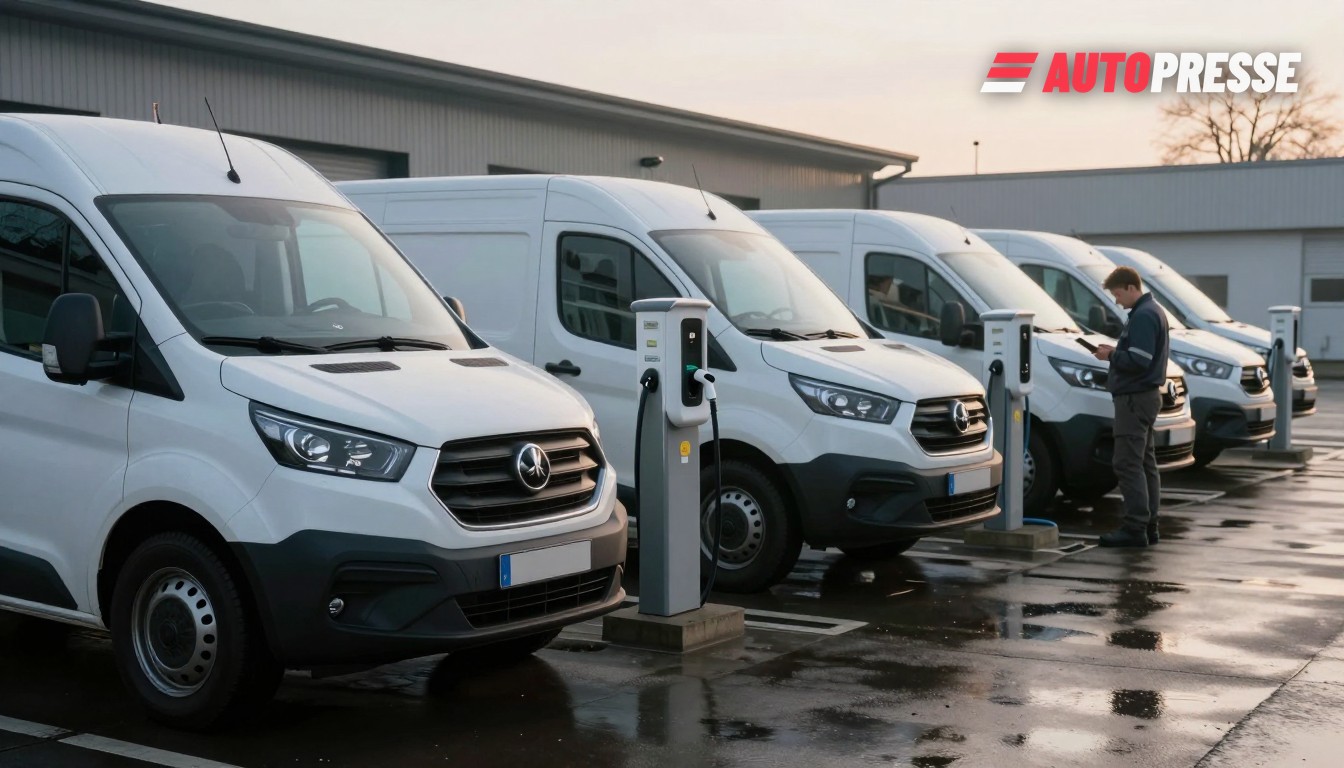
Independent city‑scale pilots have also moved into live market activity. Enercity in Hanover reported that it successfully sold electricity that had been discharged from bidirectionally connected company vehicles into the wholesale power market as part of a joint pilot with Volkswagen Commercial Vehicles — a practical demonstration that EV battery capacity can be traded on organised markets, not just used for local balancing.
Carmakers and charging providers are lining up offers too. Volkswagen subsidiary Elli is preparing an integrated V2G package combining compatible VW group vehicles, a DC bidirectional charger, a tariff and control software — ordering was signalled for end‑2026 in industry reporting — while other OEMs and energy vendors are testing customer propositions across Germany and Europe.
Standards and rules catching up
Technical and market enablers have moved forward in 2026. The IEA and EU documents note progress on removing regulatory barriers — for example Germany removed double grid fees for bidirectional points at the end of 2025 — and ISO/IEC work on charger‑to‑vehicle communication (ISO 15118‑20 and related amendments) has widened support for AC and DC bidirectional operation. That combination of clearer tariffs and interoperable protocols is what turns pilot novelty into scalable services.
What this means for the market
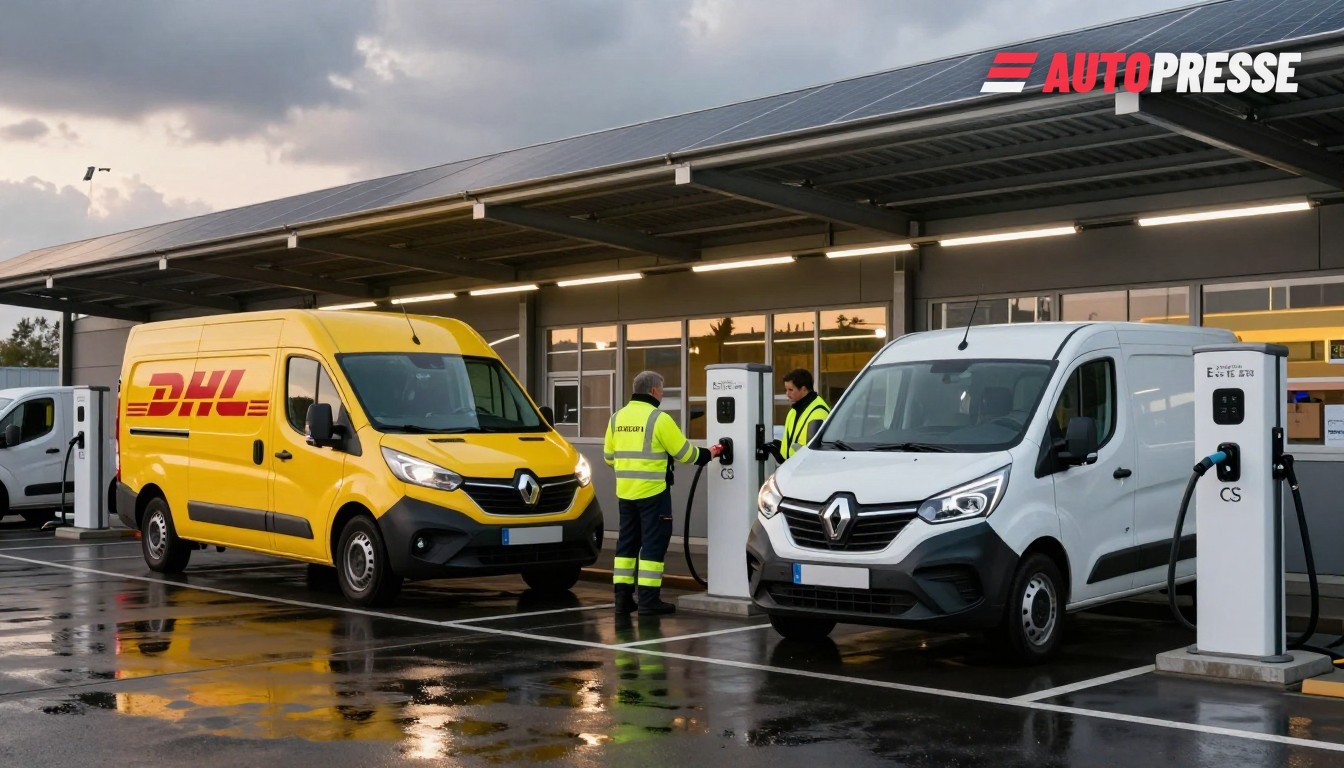
Short term: fleet operators and large corporate users will be first movers. Companies can coordinate vehicle availability, charger capacity and dispatch to sell flexibility without compromising mobility — the Enercity/Volkswagen example in Hanover shows that corporate fleets can already access power‑market revenues.
For private buyers: commercial V2G tariffs and OEM offers (E.ON/BMW, Elli and others) create new value propositions for EVs that are V2G capable — lower effective electricity costs, potential revenue streams and resilience benefits (V2H/V2L for outages). But uptake will depend on clear earnings vs. battery‑degradation expectations and simple billing.
For networks and regulators: aggregated EV capacity can reduce peak stress and defer some grid reinforcements, but system operators need visibility, market rules and trusted aggregators. The EU and international standards and the recent regulatory moves in Germany are necessary preconditions — they do not automatically deliver scale. Aggregation platforms, settlement processes and clear consumer contracts must follow.
Austria: Austrian utilities and research centres are running targeted trials and watching Germany’s commercial roll‑outs closely. Austria’s smaller market means pilots can be more centrally coordinated, but national policy and tariff signals will decide whether household‑level V2G becomes a mass offering or remains a business‑fleet play.
Electric vehicle listings on WorldTrader24 →
Sources: EUR‑Lex (EU staff document), electrive, IEA, V2G News, Meticulous Research