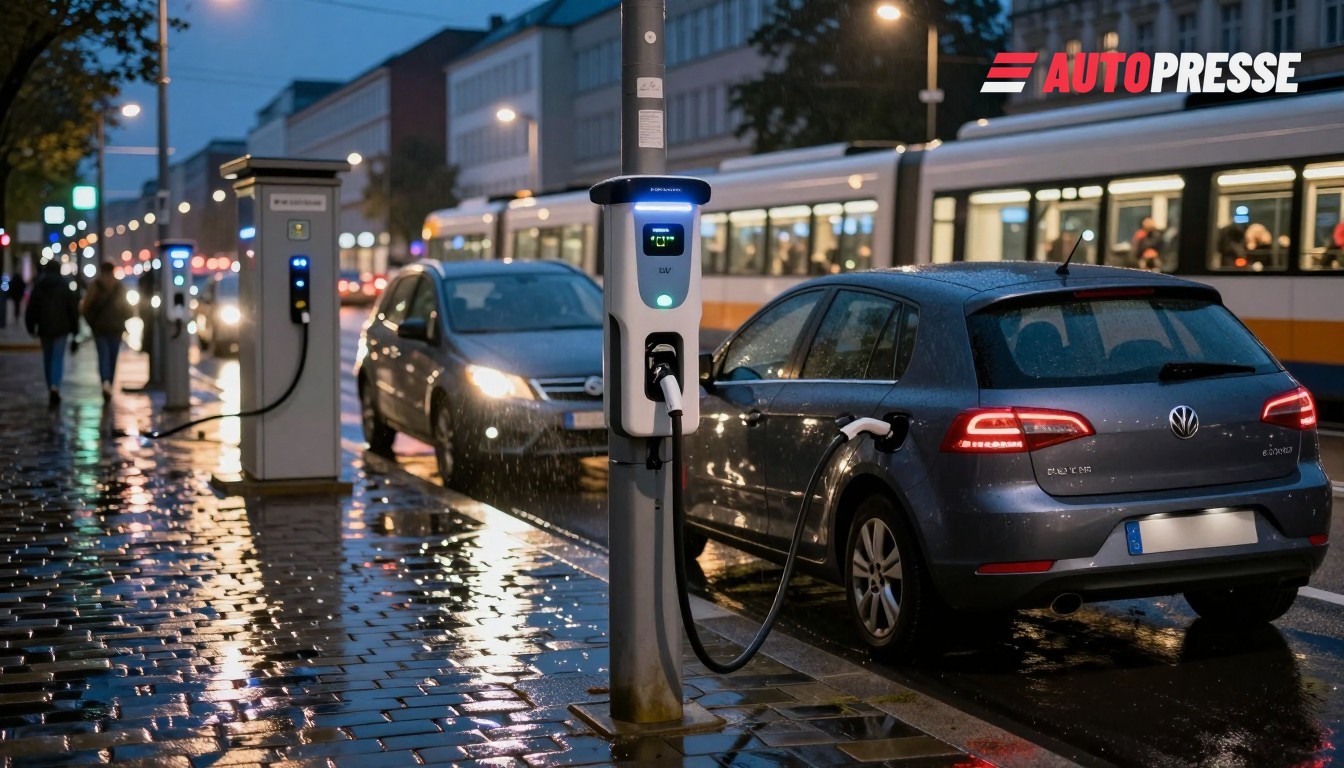
Germany’s public charging scene is changing from a motorway‑first build‑out to a two‑track strategy that pushes simple, affordable on‑street chargers into dense city neighbourhoods while operators still race to add high‑power corridor hubs. That matters for urban drivers without off‑street parking, dealers selling used EVs with different range profiles, and utilities balancing local networks.
Lamppost charging goes mainstream
In Berlin the lamppost model has moved from pilot to scale: ubitricity marked its 1,000th public charge point in the city on 1 April 2026, and now operates more than one quarter of the capital’s public sockets, the company says. Berlin’s public network has grown to roughly 3,800 public charge points — more than three times the city’s total at the end of 2022 — with street chargers an increasing share of that expansion. These smaller AC installations are cheaper to deploy and give drivers who lack private parking a realistic overnight option.
High‑power hubs remain essential
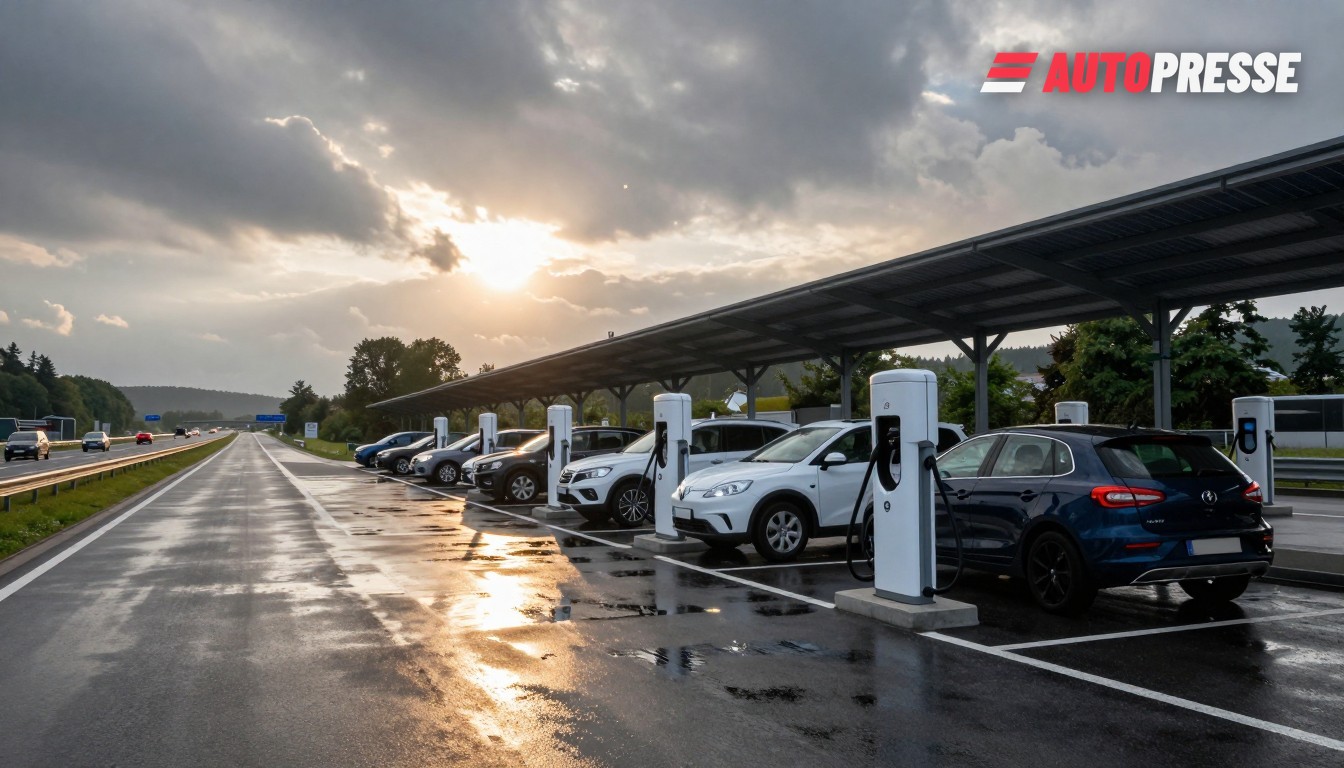
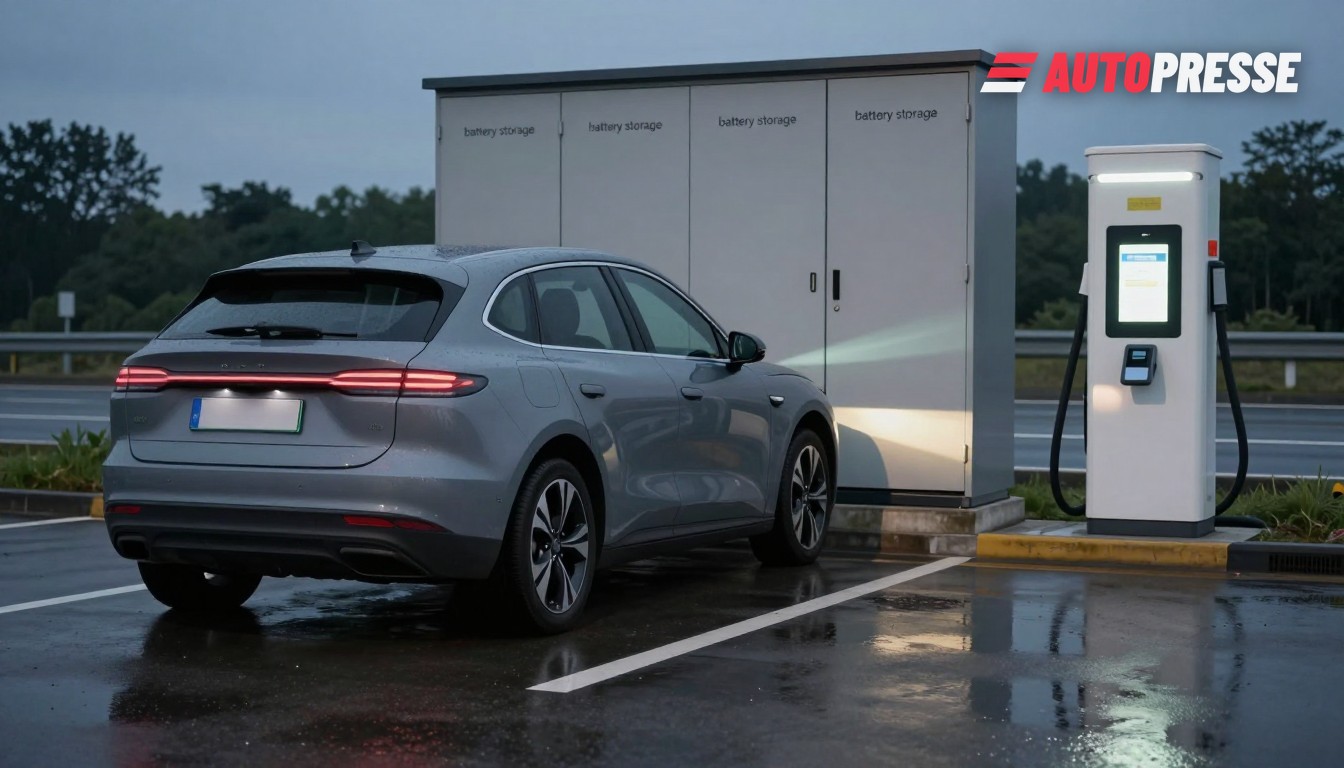
At the same time, high‑power charging (HPC) continues to expand: industry benchmarking shows Germany’s HPC base and user comfort improving, as operators add 150 kW+ points across intercity routes and retail locations. Large energy‑group-backed operators say they plan continued roll‑outs and to introduce Plug & Charge across major highway sites from 2026, while some networks target hundreds of new HPC points per year to serve long‑distance travel and fleet customers.
What this means for the market
For drivers: city residents who cannot charge at home will see growing, low‑cost access — but they will still rely on a mix of slow street chargers for daily top‑ups and fewer, faster hubs for long trips. For dealers and remarketers: more urban charging reduces range‑anxiety premiums on lower‑range BEVs and changes which used models retain value. For energy companies and city planners: the dual build‑out forces investment trade‑offs between grid upgrades for dense HPC parks and wide‑area rollout of low‑power street points; operators are responding with different business models (lamppost retrofits, supermarket forecourt hubs, and larger HPC parks).
Practical challenges remain: street chargers need clear local rules on parking and blocking, and HPC sites require grid connection and commercial sites that attract dwell time. Operators and cities are increasingly co‑designing deployments to match local travel patterns and available grid capacity rather than simply chasing headline charger totals.
Electric vehicle listings on WorldTrader24 →
Sources: ubitricity, Ladestandorte (city charging data), AUTO BILD / P3 HPC report, E.ON Drive Infrastructure / industry statements