Germany’s car market delivered a visible pulse in October — 254,492 new passenger cars were registered — yet the production picture and corporate results show growing strain across the German‑Austrian supply chain. Buyers are shifting to electric models while plants report lower output and automakers warn margins remain under pressure. For drivers, dealers and plant workers this means more choice at retail but sharper reorganisation at the factory and supplier level.
Registrations up — production and exports down
The Verband der Automobilindustrie (VDA), using KBA data, reports 254,492 new passenger car registrations in Germany in October 2026. Electric vehicles accounted for 122,591 of those registrations (all-electric BEVs: 94,086), with electric drives reaching 48.2% market share for the month. At the same time domestic production fell: German factory output in October was 326,300 units, a 7% decline year‑on‑year, while exports slipped to 246,500 units (‑10%). These numbers underline a decoupling between consumer demand for electrified vehicles and utilisation at several plants.
Suppliers pivot to resilience — recycling, greentec and cost control
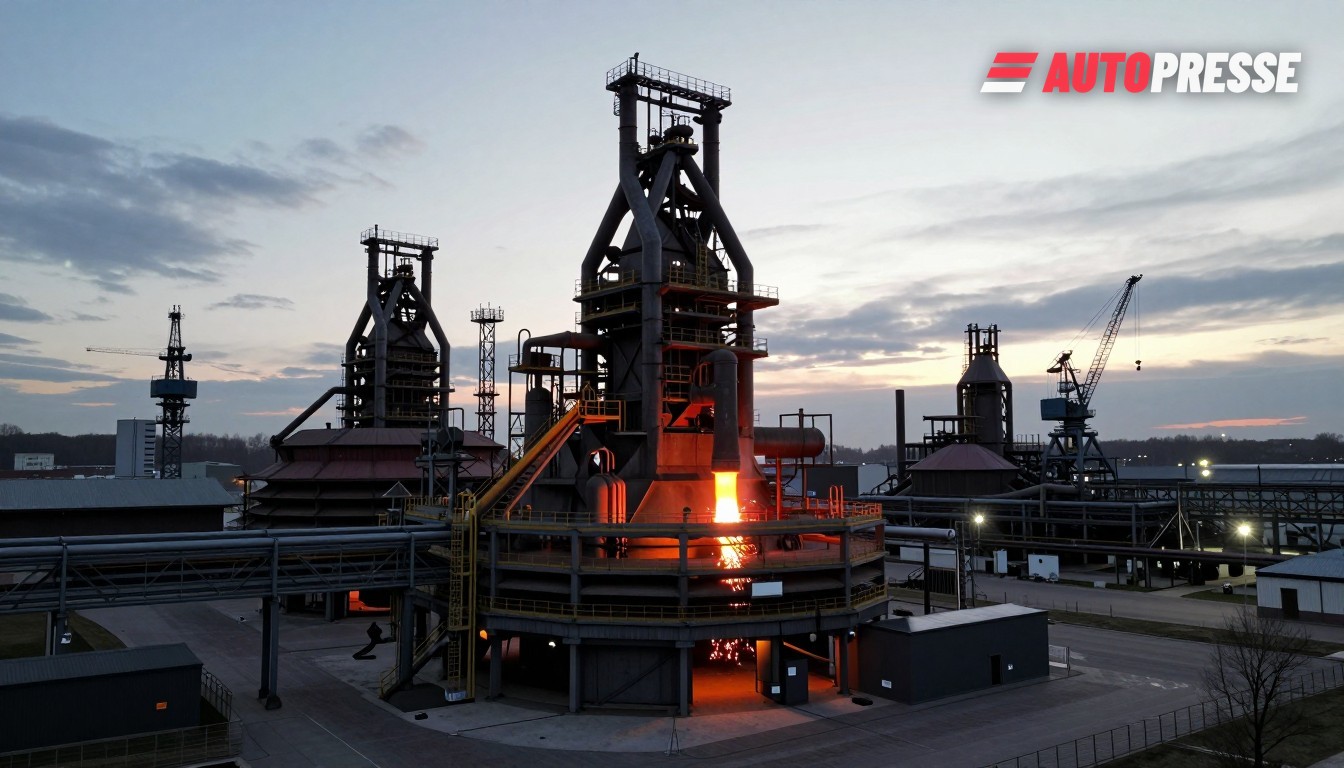
Suppliers are reacting. voestalpine reported «solid results» in the first half of its 2026/27 business year (April 1–September 30, 2026): revenue was essentially flat at €7.7 billion and EBITDA rose 17.1% to €846 million. The group said it is advancing its greentec steel projects (electric arc furnaces in Linz and Donawitz) with start‑up scheduled in the first half of calendar 2027, while trimming headcount and reshaping lower‑margin automotive units. CEO Herbert Eibensteiner warned the Middle‑East war and higher energy/logistics costs would weigh on the second half and revised full‑year EBITDA guidance to €1.60–1.70 billion.
Meanwhile established chemical and materials players are scaling battery recycling: BASF’s Schwarzheide Black‑Mass plant began commercial operation in June 2025 with an annual processing capacity of up to 15,000 tonnes (roughly 40,000 EV batteries), an infrastructure element that suppliers and OEMs are citing as critical to reduce dependence on primary raw materials. The combination of recycling build‑out and greentec steel capacity signals a supplier pivot from volume to higher‑value circular and low‑carbon processes.
At the OEM level Volkswagen’s interim figures underline the margin squeeze: the Group reported an operating result before special items of €8.8 billion for the first nine months of 2026 and an operating return on sales before special items of 3.8%, while total vehicle sales fell to 5.9 million (‑11% year‑on‑year). VW says the rapid move to EVs and external factors (US tariffs, China market weakness) require a €31 billion cost programme and faster plant efficiency measures.
What this means for the market
Short term: buyers in Germany and Austria benefit from abundant BEV choice and incentives, but dealers face heavier inventory churn as OEMs prioritise margin repair. Labour: suppliers and some plant teams will see further restructuring even where demand for EVs grows; voestalpine has already cut FTEs by ~2% and signalled reorganisations in lower‑profit units.
Strategic: international brands are taking share in the electrified market — the VDIK reports international manufacturers reached a 44.6% cumulative share for the first nine months of 2026 and are a major driver of BEV growth — forcing German and Austrian suppliers to compete on cost, quality and circularity as battery and recycling capacity scale.
Electric cars for sale on WorldTrader24 →
Sources: VDA (KBA data), Volkswagen Group, voestalpine, VDIK, BASF