Europe’s incoming “Made in Europe” rules are no longer an abstract policy debate — they are a live pressure on factories, supply chains and state incentives in Germany and Austria. The European Commission’s Industrial Accelerator Act (IAA), proposed on 4 March 2026, embeds “Made in EU” and low‑carbon preferences into procurement and public support for cars and key components. “It will create jobs by directing taxpayers’ money to European production,” the Commission said.
Brussels’ tests: assembly and local content
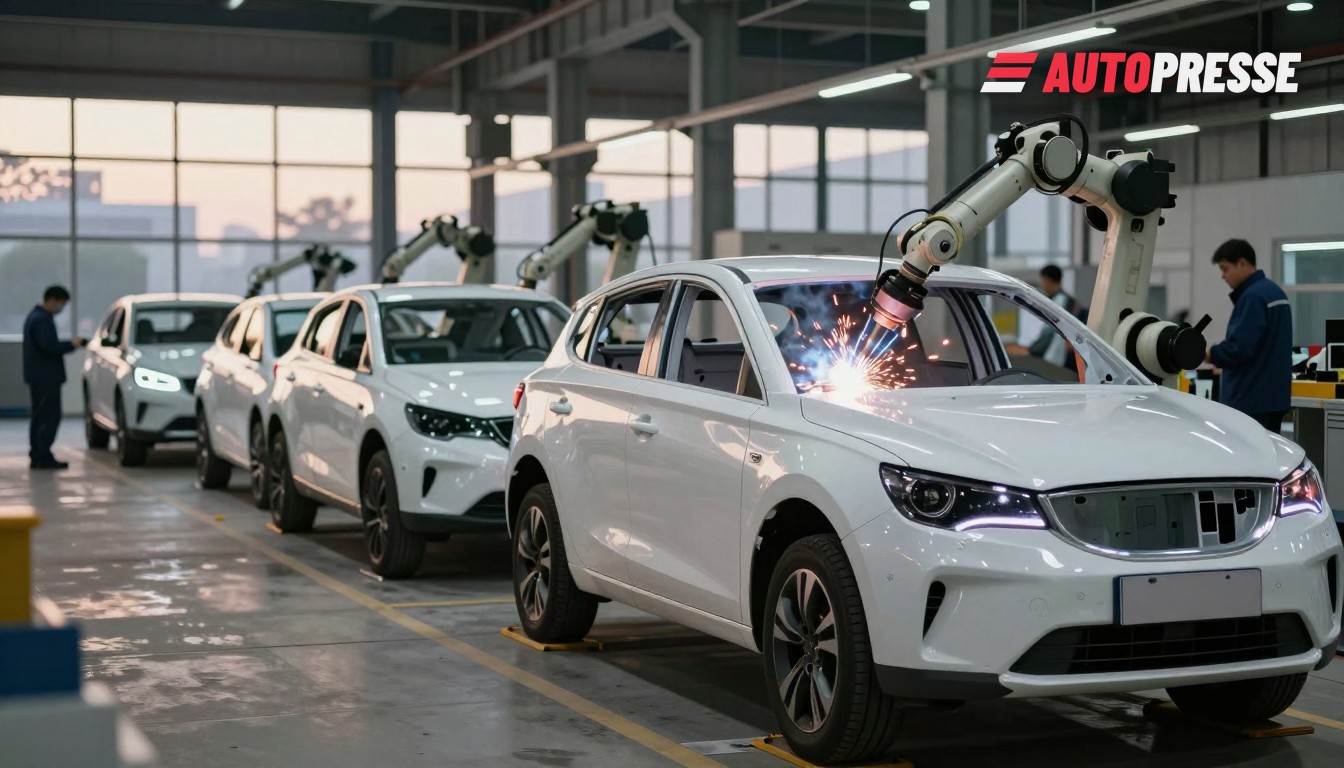
The IAA proposal sets concrete tests for when a vehicle can be considered “made in the EU” for procurement and support schemes — notably an assembly requirement and a value‑content threshold for components. International Energy Agency analysis of the automotive package notes that to qualify for some CO2‑compliance credits and public incentives, final vehicle assembly must take place in the EU and around 70% of components (battery excluded) should originate in the Union.
Member states are debating the technical wording. Council compromise texts and national comments in late September 2026 show Austria and other capitals pressing Brussels to recognise multi‑site production chains rather than require every stamping, painting and final assembly step to happen on a single factory site — an important clarification for the distributed European supplier network. Austria explicitly warned that the proposal’s narrow “single‑site” wording would not reflect reality for specialist stamping and regional supply chains.
Germany’s budget move and Austria’s market signal
Policy timing matters for industry decisions. Berlin signalled stronger near‑term support for EV demand: the federal government moved in November 2026 to boost the 2027 budget line for the socially‑tiered electric‑car purchase premium from €803m to €1.72bn in a draft budget note, citing much higher take‑up than expected. That reallocation brings more cash forward but does not increase the overall programme envelope.
Meanwhile Austria’s new‑car market is shifting fast: Statistik Austria reports 265,282 passenger cars newly registered between January and October 2026, up 10.7% year‑to‑date, with 67.6% of new cars using an alternative drive (BEV, PHEV or hybrid). The data underline that demand is migrating to electrified models even as public support and “Made in Europe” rules are negotiated.
What this means for the market
Automakers and suppliers in Germany and Austria face a two‑track pressure: buyers and governments are accelerating electrification, while EU rules will increasingly tie public funds and procurement to European assembly and value content. For German OEMs the risk is strategic: production choices that already strained plants and budgets will now be weighed against potential loss or gain of public support and procurement preference. For Austrian suppliers and assembly hubs the negotiating window is an opportunity — but only if the final IAA text recognises the real, cross‑plant structure of European value chains. The Council’s September comments show member states are acutely aware of that need.
Short‑term, Germany’s larger 2027 EV subsidy line will keep demand for electrified cars high and give producers breathing space while the IAA is finalised. But once the IAA and any national tie‑ins take effect, manufacturers that can demonstrate genuine EU‑based assembly and component sourcing will gain the clearest access to public procurement and certain regulatory reliefs. Suppliers should therefore prioritise certified EU content and clear traceability of parts now, while policymakers must finalise legally robust “Made in Europe” guidance that matches the modern, multi‑site reality of automotive manufacturing.
B2B vehicle listings on WorldTrader24 for dealers →
Sources: European Commission, Council of the EU, IEA, Tagesschau/Reuters, Statistik Austria