Germany’s auto supply chain moved from warning to action this month as two separate pressure points converged for manufacturers and dealers across Germany and Austria. Schaeffler on 3 November published a performance‑plan that targets a net reduction of about 3,460 positions (roughly 2,660 in Germany and ~800 elsewhere in Europe), while IG Metall’s 24‑hour warning strikes around 23 November halted production at several German plants — a toxic mix for tightly timed supplier deliveries and cross‑border logistics.
Supplier restructuring and factory pauses
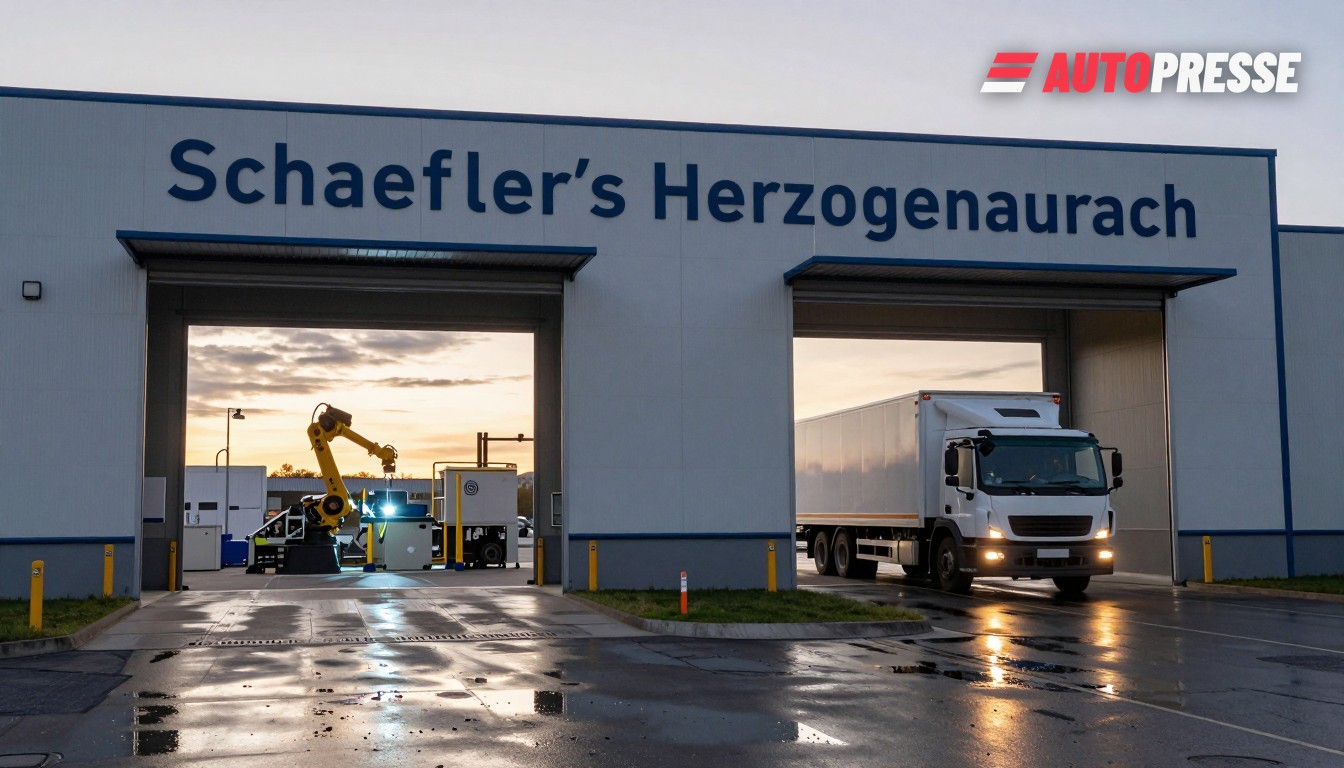
Schaeffler’s Q3 presentation sets out a formal “performance improvement programme” that includes site consolidations, the closure of four German locations named in the filing and a target of about €300m annual EBIT improvement by 2030 after one‑off restructuring costs of ~€480m. The company lists production (≈50%) and R&D (≈30%) as the functions most affected and says implementation will be concentrated through 2028.
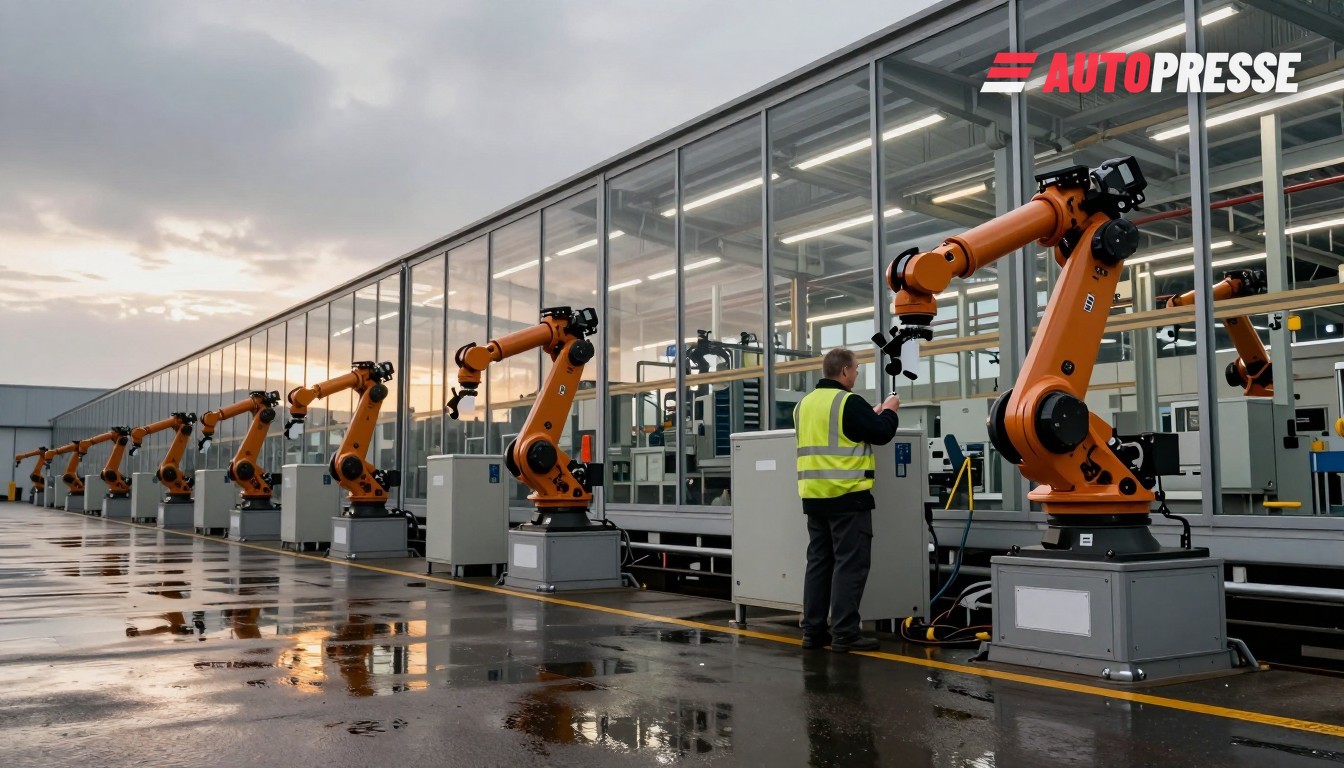
At the same time, a series of warning strikes called by IG Metall spread across northern Germany. The union said around 23,000 workers at 19 sites took part in a 24‑hour action on 23 November, and public broadcasters reported that production lines at the Mercedes plant in Hamburg were idle from about 22:00 on Sunday night as a result. Employers and unions remain far apart on pay and job‑security demands.
Macro backdrop: sideways production and higher insolvencies
Broader indicators underline the squeeze. Commerzbank’s 6 November note on German industry finds only a modest 0.7% rise in industrial output in September and stresses there is “no lasting upward turnaround yet”; special effects in the car sector (plant shutdowns and retooling) have kept quarterly production essentially flat.
The federal economics brief also highlights rising corporate distress: the ministry’s November briefing cites an IWH series showing 18,932 insolvencies of companies (November 2025–October 2026), up about 8.8% year‑on‑year — a trend that heightens risk for small and medium‑sized suppliers that service both German and Austrian OEMs.
What this means for the market
For German buyers, dealers and factory workers the immediate hit is twofold: tighter component flows and the calendar cost of stoppages. For Austrian suppliers and contract manufacturers the contagion is material — Schaeffler’s plan explicitly targets reductions outside Germany as well, and cross‑border logistics into Bavaria and southern Germany already run on narrow timing margins. Expect increased pressure on delivery windows, faster automation investments where volumes remain, and renewed focus on cost‑sharing or nearshoring that can reduce exposure to German production volatility.
At the OEM level, companies are accelerating structural measures. BMW told investors on 4 November it will intensify portfolio and structural realignment to protect margins and speed up Neue Klasse ramp‑up; Milan Nedeljković said: “Current developments in our industry call for decisiveness and swift implementation.” That stance — more aggressive restructuring, selective capex moderation and higher automation — will shape supplier order books in both Germany and Austria into 2027.
Short‑term outcomes to watch: additional warning strikes or escalation in the IG Metall talks; the pace and social design of Schaeffler’s site consolidations through 2028; and whether insolvency filings continue to rise into year‑end. Each will alter pricing, parts availability and hiring decisions for workshops and dealers across the German‑Austrian market.
WorldTrader24 B2B-Fahrzeugmarkt für Händler →
Sources: Schaeffler, Euronews/ARD (IG Metall reporting), BMW Group, Bundesministerium für Wirtschaft (Schlaglichter), Commerzbank Research