Germany and Austria closed October with diverging but connected market signals that matter to drivers, dealers and factory floors: Germany’s new‑car volume held steady as battery‑electric models captured a growing slice of registrations, while Austria continued a year‑to‑date recovery in total sales. Those moves are already changing which marques and powertrains dealers stock, how fleets replenish vehicles and how workshops prepare for different service mixes.
Monthly numbers and what moved them
In Germany 254,492 passenger cars were newly registered in October 2026, a 1.7% increase compared with October 2025, according to the Kraftfahrt‑Bundesamt (KBA). The report shows a strong increase in privately registered cars (private share 40.7%) and continuing model turnover across segments. (Flensburg, 4 November 2026).
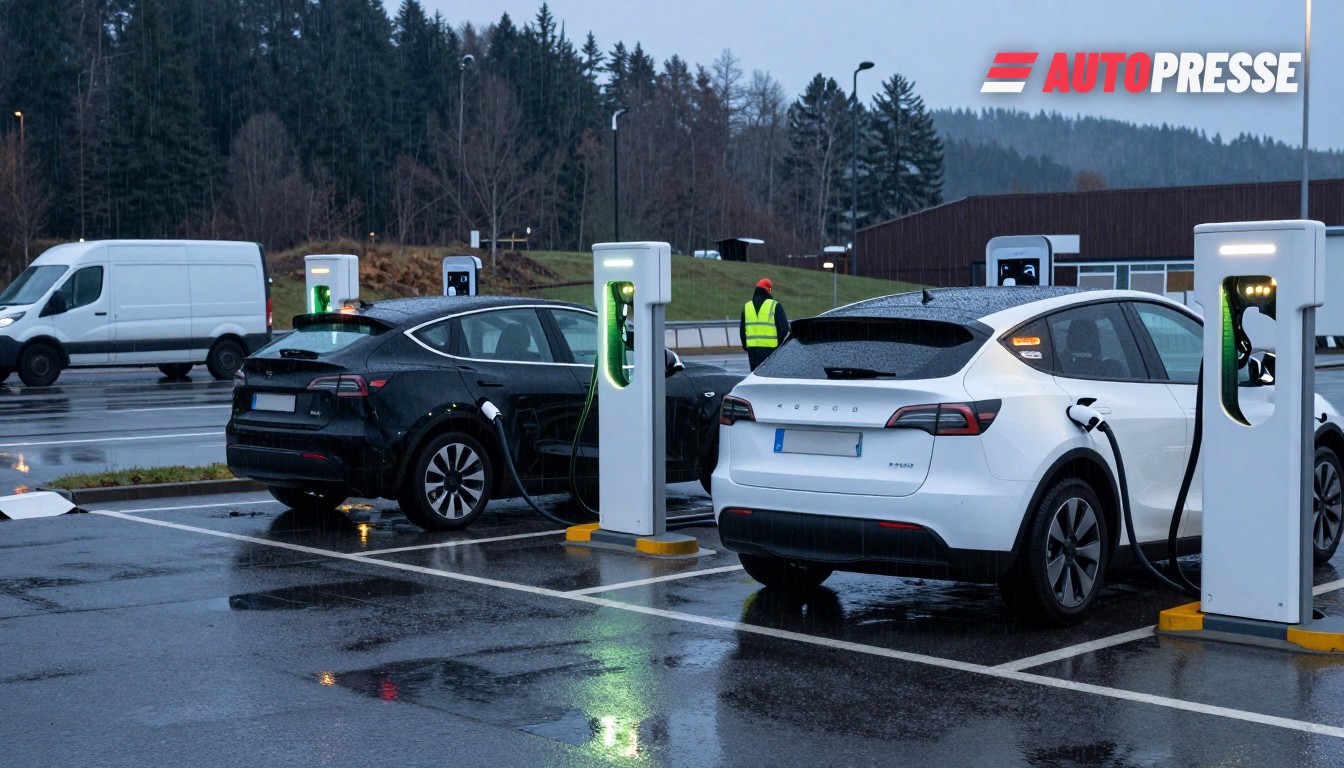
Looking at the first ten months of 2026, the KBA records that 1,687,350 new cars with alternative drives were registered January–October — equal to a 68.1% share of the 2,476,290 new passenger cars in that period (KBA press release, 16 November 2026). That shift to electrified powertrains is the dominant structural change dealers report when planning stock and service capacity.
In Austria the registration picture through October shows stronger overall volume: Statistik Austria reports a 10.7% rise in new passenger‑car registrations January–October 2026 versus the same period in 2025, with 24,174 new cars registered in October (provisional tables published 10 November 2026). The data underline a robust recovery in Austria’s market year‑to‑date.
Imports, brand mix and used‑car supply
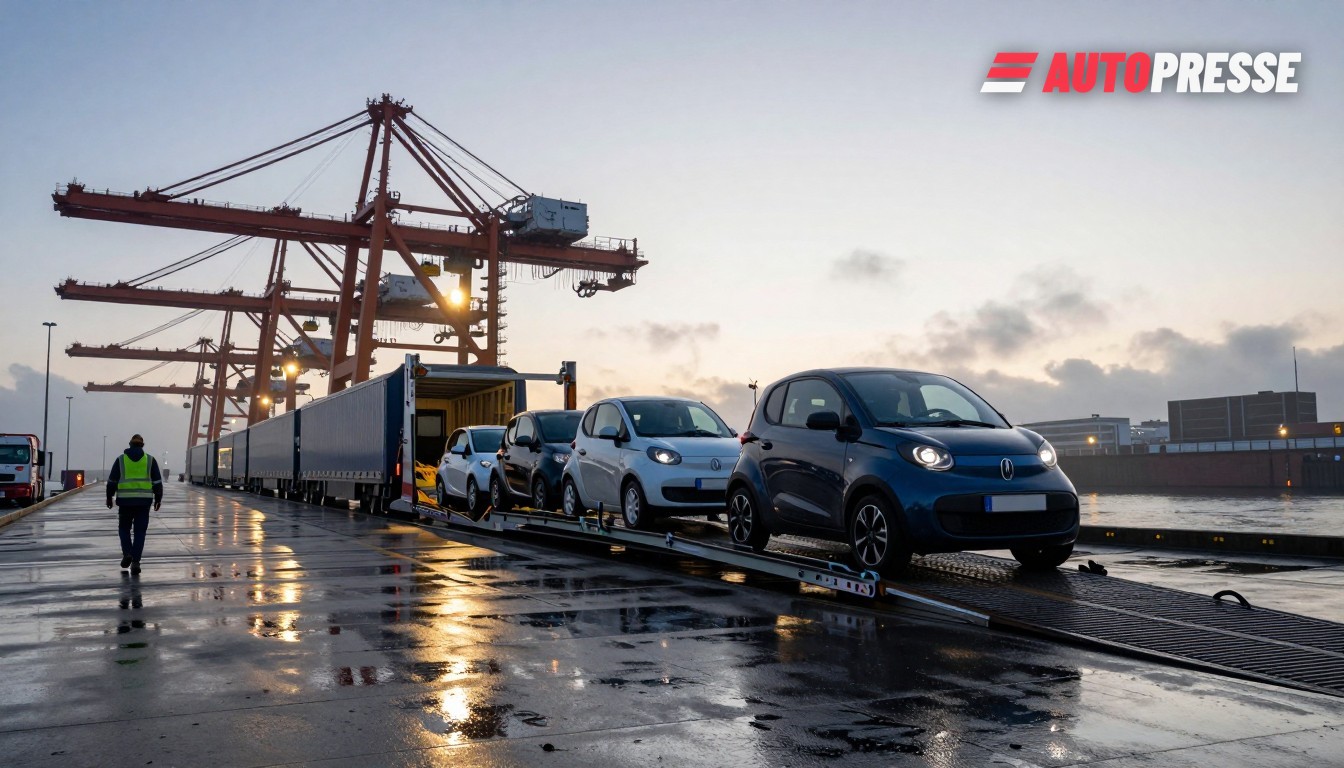
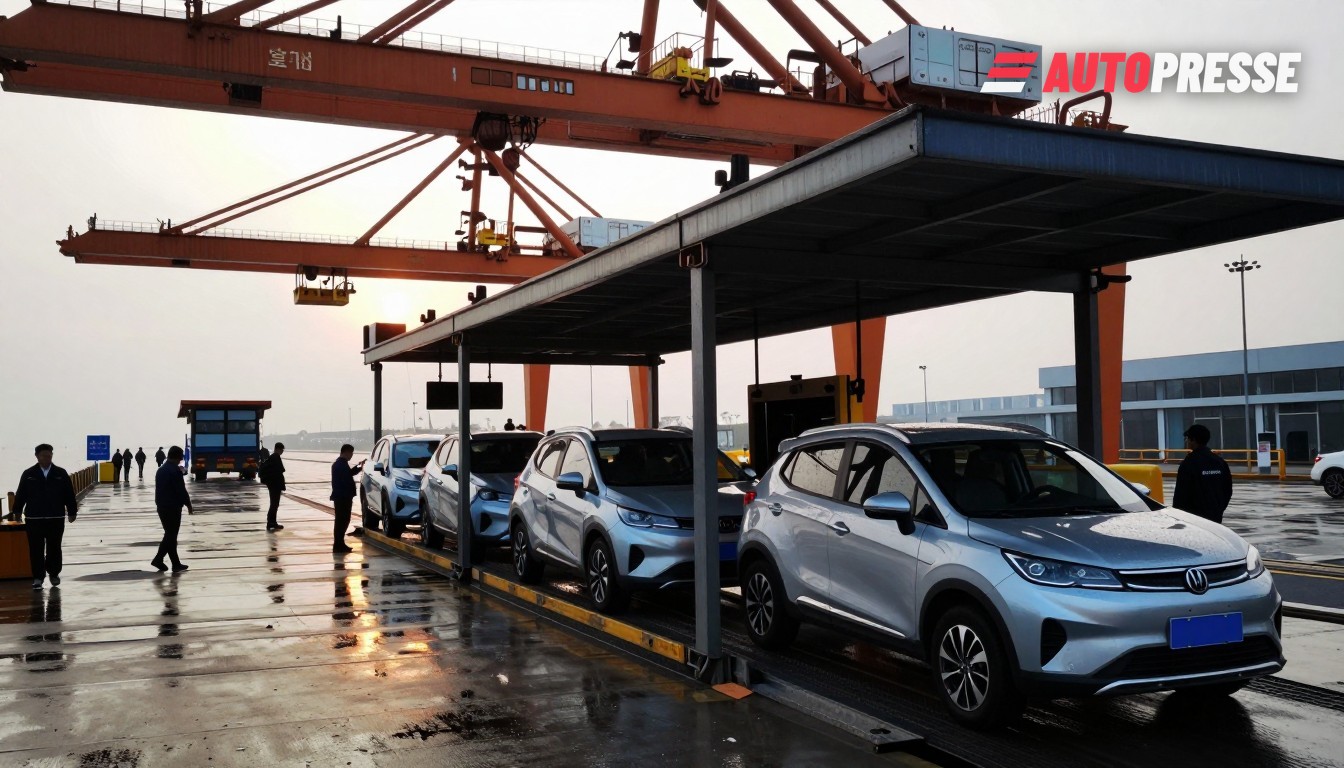
Chinese brands are becoming a measurable part of the German market. Data aggregators tracking national registration files report that brands headquartered in China accounted for roughly 115,000 new‑car registrations in Germany from January to October 2026 — about 4.6% of the market in that window — led by several volume models from BYD and other newcomers. That rising share is changing segment competition in midsize EVs and SUVs.
At the same time independent market studies and international used‑car reports point to rising off‑lease and auction volumes globally in 2026, which is beginning to normalize previously elevated wholesale prices. Industry analysts expect that larger volumes of 1–4 year‑old vehicles returning from lease contracts will require dealers and remarketers to sharpen valuation by battery health, mileage bands and condition reports. (see Edmunds industry analysis Q1‑2026).
What this means for the market
For buyers: more choice among electrified models and growing competition from imported brands should hold purchase incentives and list prices under pressure in some segments, but warranty coverage and local service availability will be key purchase criteria.
For dealers and remarketers: inventory planning must balance faster new‑model turnover with rising young used supply. Accurate battery diagnostics, certified pre‑owned programmes and flexible pricing by condition will determine margins as more EVs reach the second‑hand channel.
For manufacturers and fleets: the rapid electrification observed in KBA data (68.1% alternative‑drive share Jan–Oct 2026) requires continued investment in charging‑capable fleets and tighter residual‑value modelling tied to battery condition and regional demand.
Electric cars listings on WorldTrader24 →
Sources: Kraftfahrt‑Bundesamt (KBA), Statistik Austria, China Car Index, Edmunds