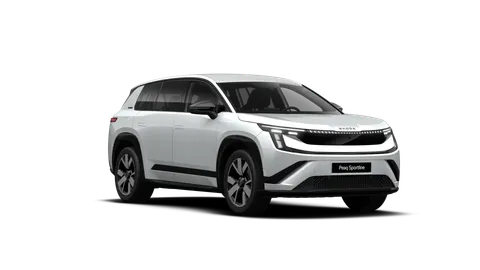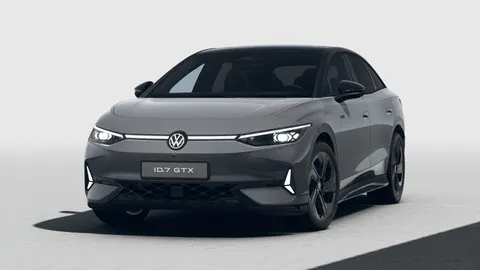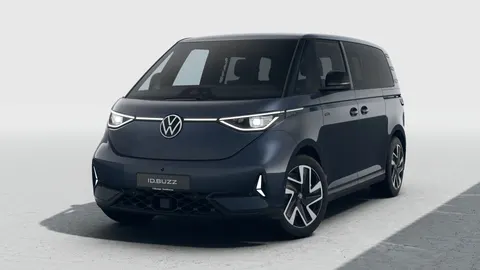
The vehicle market in Germany and Austria is quietly being rewired away from factories alone and toward logistics: rising imports, new port partnerships and faster inventory moves at online wholesalers are changing which cars reach showrooms and when. That matters for buyers, dealers and fleet customers in both countries because availability, delivery times and pricing are increasingly set by where vehicles land and how quickly they clear terminals — not just by factory output.
Ports, China‑built volumes and new routing
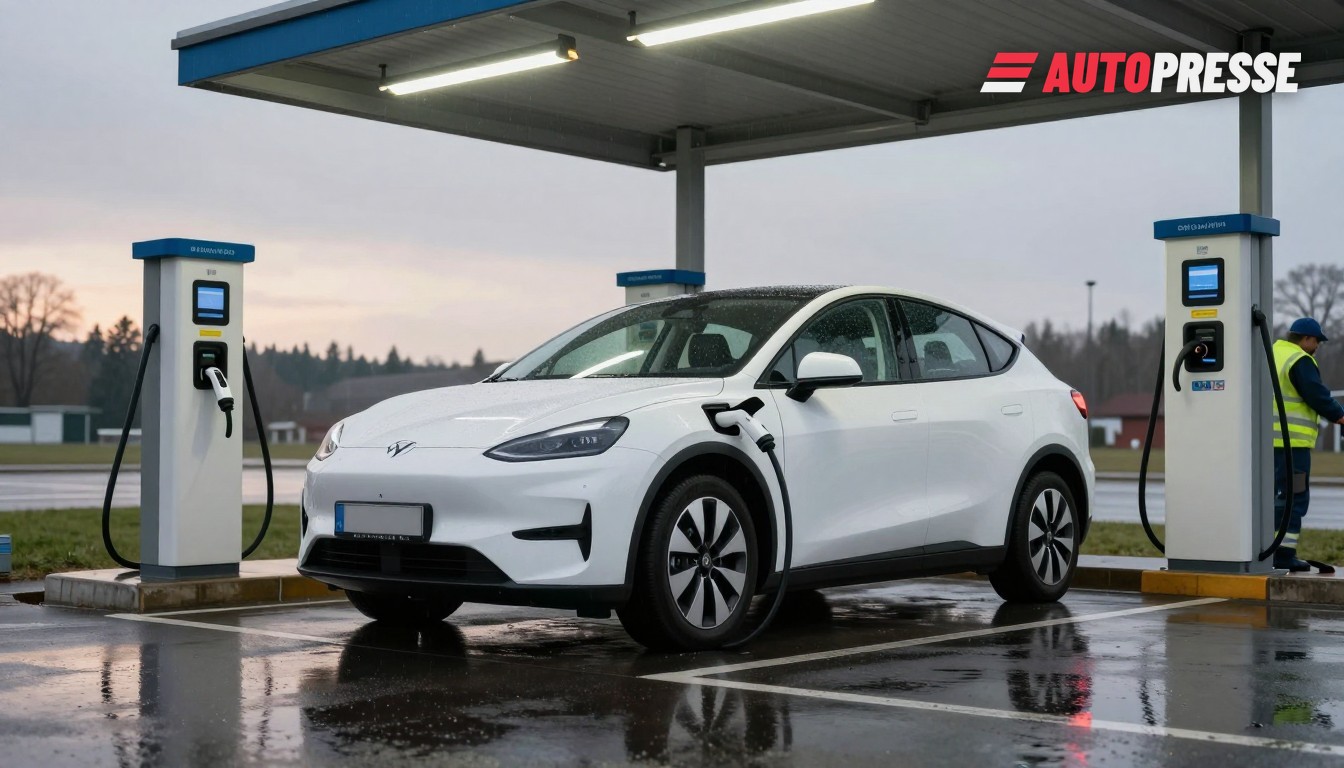
European imports of China‑built passenger cars surged in 2025, passing the one‑million mark (1,006,188 units), up roughly 30.7% year‑on‑year — a structural shift that continued into 2026 and is driving new logistics patterns across northern and central Europe.
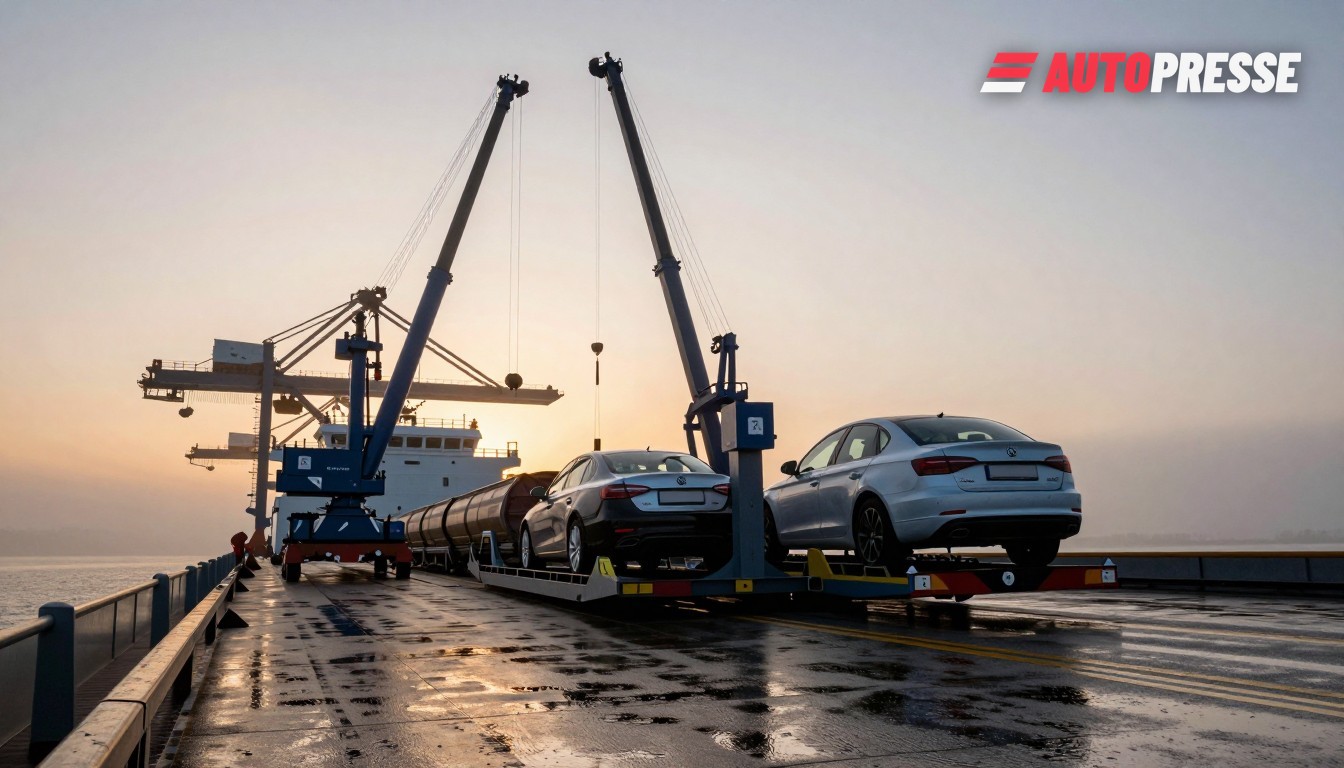
German vehicle hubs are adapting. BLG Logistics and COSCO Shipping Car Carriers signed a strategic agreement to develop Bremerhaven as a dedicated hub for vehicles and components from China, with the partners targeting regular vessel calls (the deal foresees at least two calls per month for China‑sourced cargo destined for Germany and onward markets). Terminals such as BLG’s AutoTerminal already handle more than a million finished vehicles a year, and operators report rising shares of China‑built imports.
How imports feed German and Austrian demand
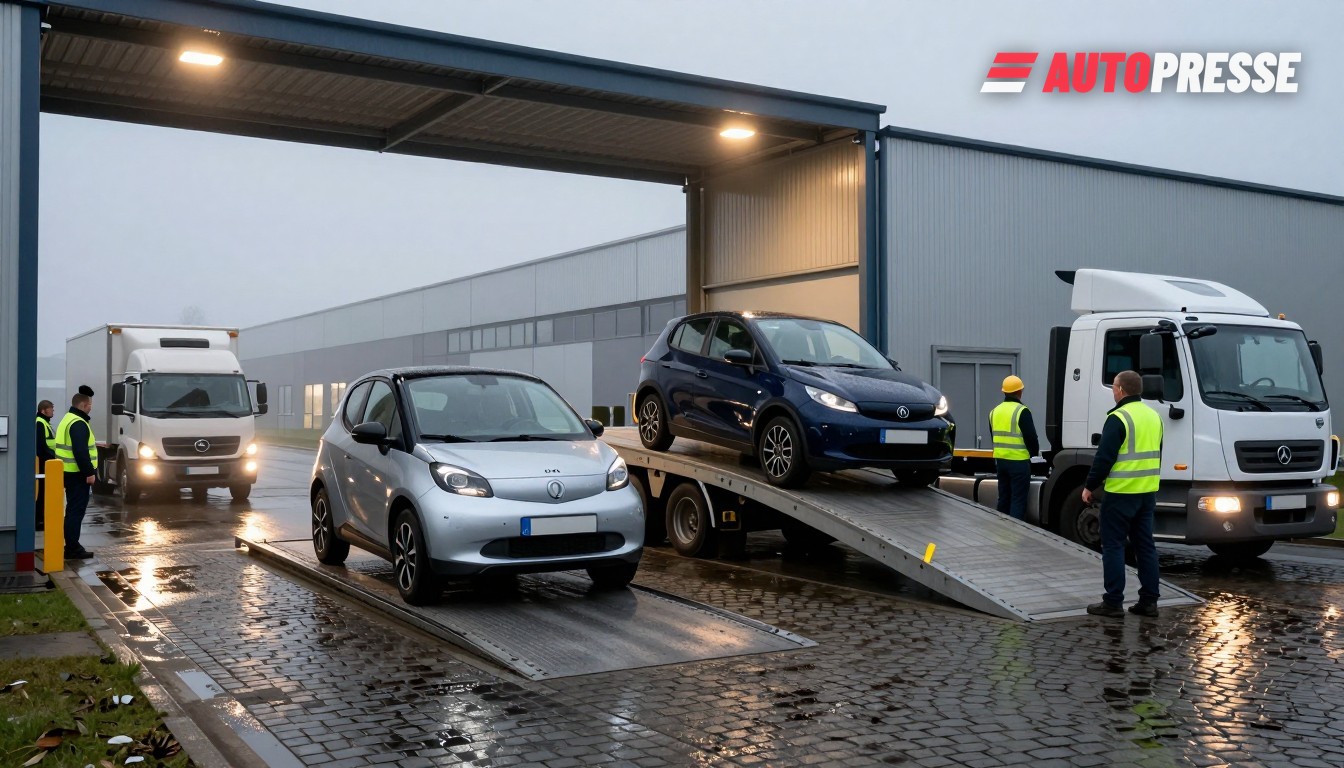
Carriers and ports report that vehicles discharged in Bremerhaven and other North Sea terminals are routed inland by rail and truck to distribution hubs across Germany and into Austria — a flow that shortens delivery times for some import brands and gives dealers extra stock ahead of seasonal demand. Analysts who track finished‑vehicle ports note that this inventory in port and bonded yards acts as a buffer: it can be released into the market quickly (supporting short delivery windows) or held back, which dealers and platforms may use to manage pricing.
At the same time, international (non‑domestic) manufacturers are increasing their importance in Germany’s registration mix: import brands and newer global OEMs have materially lifted their share of registrations during 2026, with industry association reporting underway pointing to a clear rise in international market presence. Dealers are therefore balancing a broader and faster‑changing model mix arriving from ports and direct imports.
What this means for the market
1) Availability shifts from factory allocation to terminal logistics. For many dealers in Germany and Austria the limiting factor is no longer production backlog but where vehicles are held in the logistics chain — port, rail or national hub — and how quickly they can be delivered to the showroom.
2) Pricing and margins become more variable. Rapid releases of port stock into the wholesale channel can relieve shortages but also depress pricing if many units hit the market simultaneously; conversely, deliberate pacing of vessel discharges can support dealer margins. Dealers and platforms that control short‑term distribution financing and ABS facilities have an advantage: recent quarterly reports from large online wholesale groups show active management and drawdown of inventory financing as they accelerate sales.
3) Cross‑border logistics matter more for Austria. Vehicles landing at Bremerhaven, Zeebrugge or Koper are commonly routed to Austrian distribution centres; port schedules and rail capacity to the Alps thus directly affect Austrian dealer delivery windows and fleet fulfilment. Port partnerships and additional ro‑ro sailings therefore translate into faster availability for Austrian buyers as well as German ones.
4) Dealers and fleets will need to trade speed for certainty. Buyers are likely to see quicker deliveries for some imported models but also wider intra‑brand price dispersion as logistics timing replaces production timing as the dominant scheduling lever. Dealers that invest in bonded‑yard visibility and integrated transport planning will be better placed to stabilise margins.
WorldTrader24 B2B vehicle marketplace for dealers →
Sources: Automotive Logistics; VDIK; AUTO1 (Q3/2026 report); ECG Association.