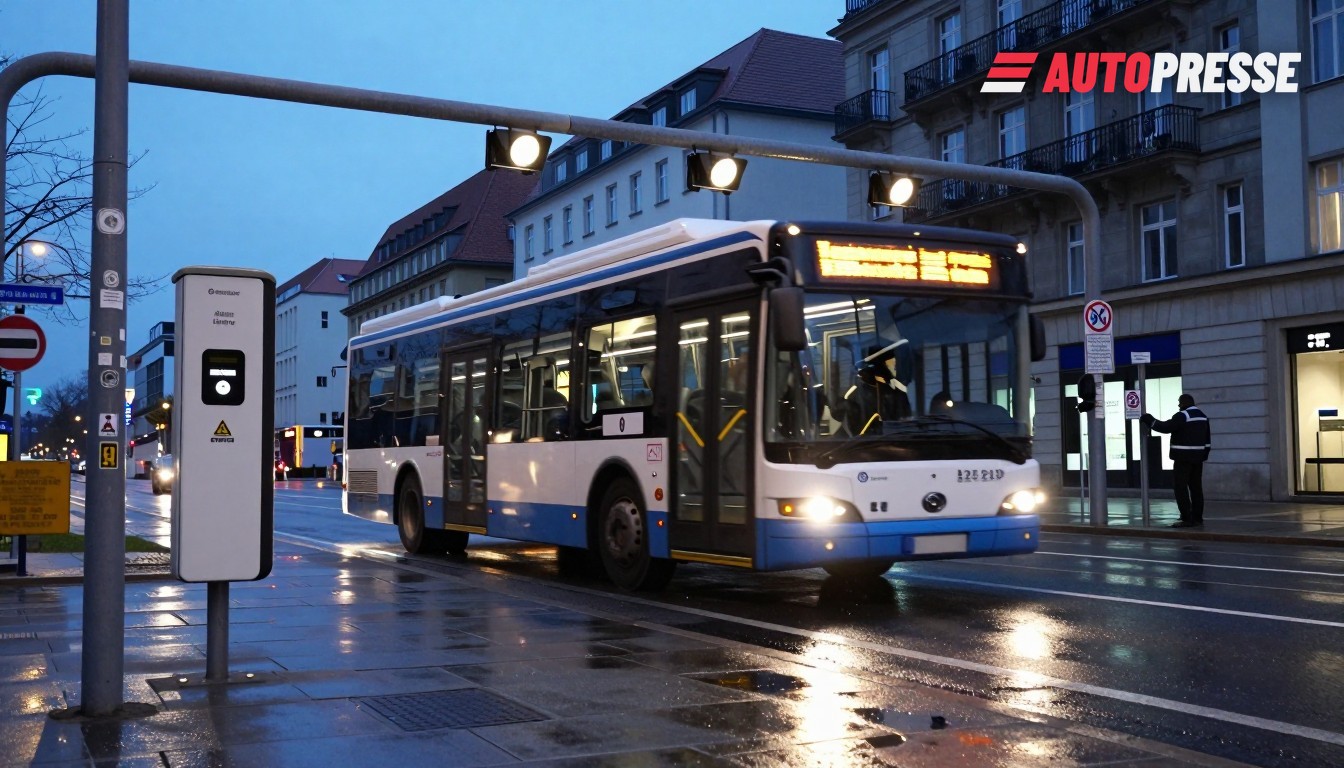
Berlin’s big bet on hydrogen for heavy transport has shifted the policy map for fleets and suppliers in Germany — and left Austria taking a more pragmatic, regional approach. Drivers, fleet managers and suppliers face a near-term scramble: Germany’s federal call for H2 truck and station projects attracted hundreds of bidders, while Austria’s activity remains concentrated in model regions and single-site pilots.
Germany: a national push, market appetite far larger than planned
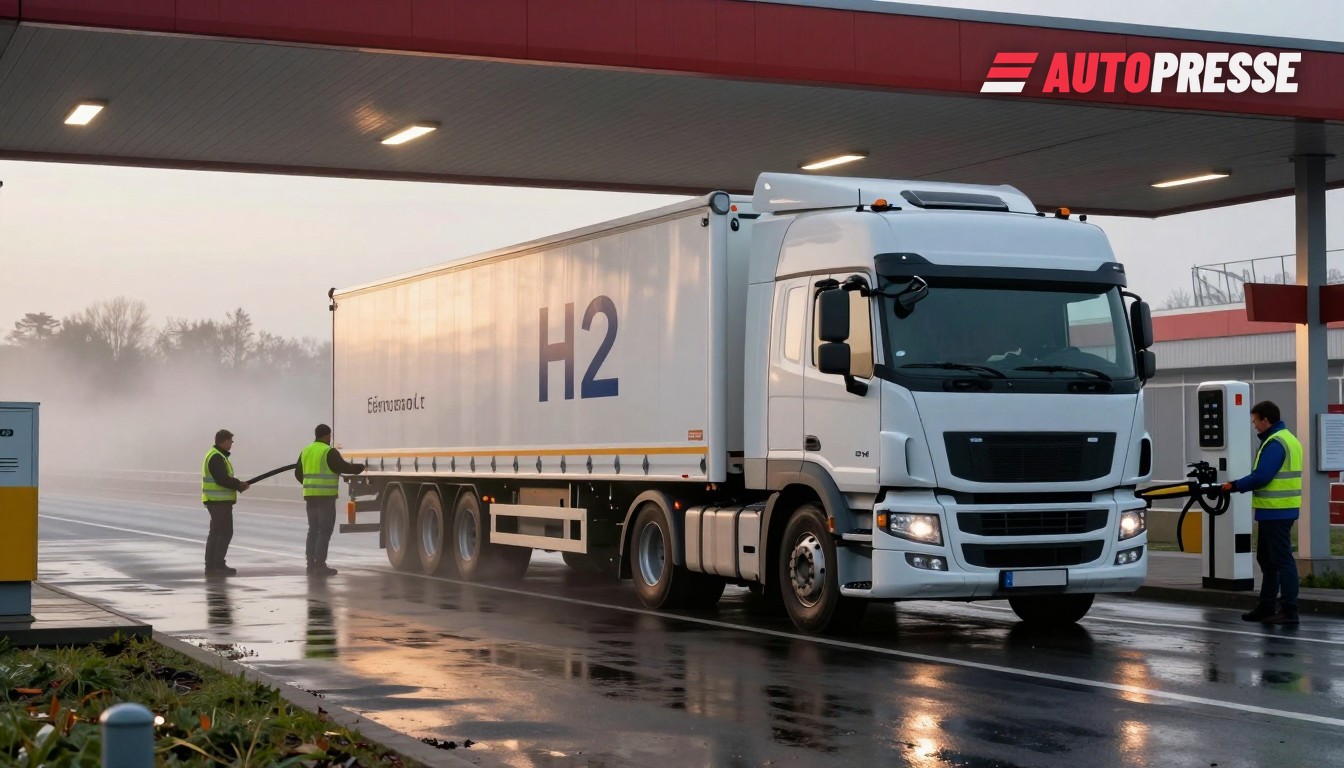
On 29 January 2026 the German Federal Ministry of Transport launched a targeted funding call worth €220 million to build an initial network of hydrogen refuelling stations and to support the purchase of commercial H2 vehicles. The programme is designed to support up to 40 publicly accessible truck-capable stations and the procurement of as many as 400 hydrogen trucks. Applications were so strong that the call was extended and, by summer 2026, the ministry reported more than 500 submissions — later tallied at roughly 526 applications — far exceeding the scheme’s capacity. The package pairs capital grants for stations with vehicle subsidies to overcome the classic chicken‑and‑egg barrier for heavy-duty H2 mobility. "We agreed in the coalition to support hydrogen refuelling infrastructure," Transport Ministry sources said when the programme opened in January 2026.
Austria: pilots, model regions and selective investment
By contrast Austria has not launched a national equivalent to Germany’s large funding call. Instead, activity is concentrated in municipal or regional projects and a small number of pilot stations. Notable examples include a hydrogen refuelling station in Bischofshofen that began operation in January 2026, and the Wiener "Wasserstoff Modellregion" around Leopoldau, which combines local electrolysis, trailer distribution and station infrastructure as an EU‑funded model project (project documents estimate an absolute emissions avoidance target of about 19,850 tCO2e by 2030 for the region). Several Austrian projects rely on European Regional Development Funds rather than a single large national grant pot. Meanwhile, commercial operators have flagged that Austria’s public H2 station network remains sparse and fragmented compared with Germany.
What this means for the market
For OEMs and suppliers the immediate consequence is geographic differentiation in demand. German truck OEMs and infrastructure suppliers can plan for a defined, if limited, national deployment of up to 40 stations and hundreds of vehicles backed by public money — an important anchor for early series production and station rollout. The oversubscription (roughly 526 applications reported in July 2026) signals strong commercial interest but also means many projects will miss out on funding and need alternative business cases or private backing. In Austria, vehicle and station suppliers will find smaller, phased opportunities tied to municipal or EU regional funds; this favours niche demonstrations, depot solutions and industrial or port applications rather than wide road‑network rollouts. Industry groups are already pushing for an EU‑level TCO support mechanism to widen the market, a proposal — advanced in November 2026 by the H2Accelerate partners — that would bridge total‑cost‑of‑ownership gaps across borders if adopted.
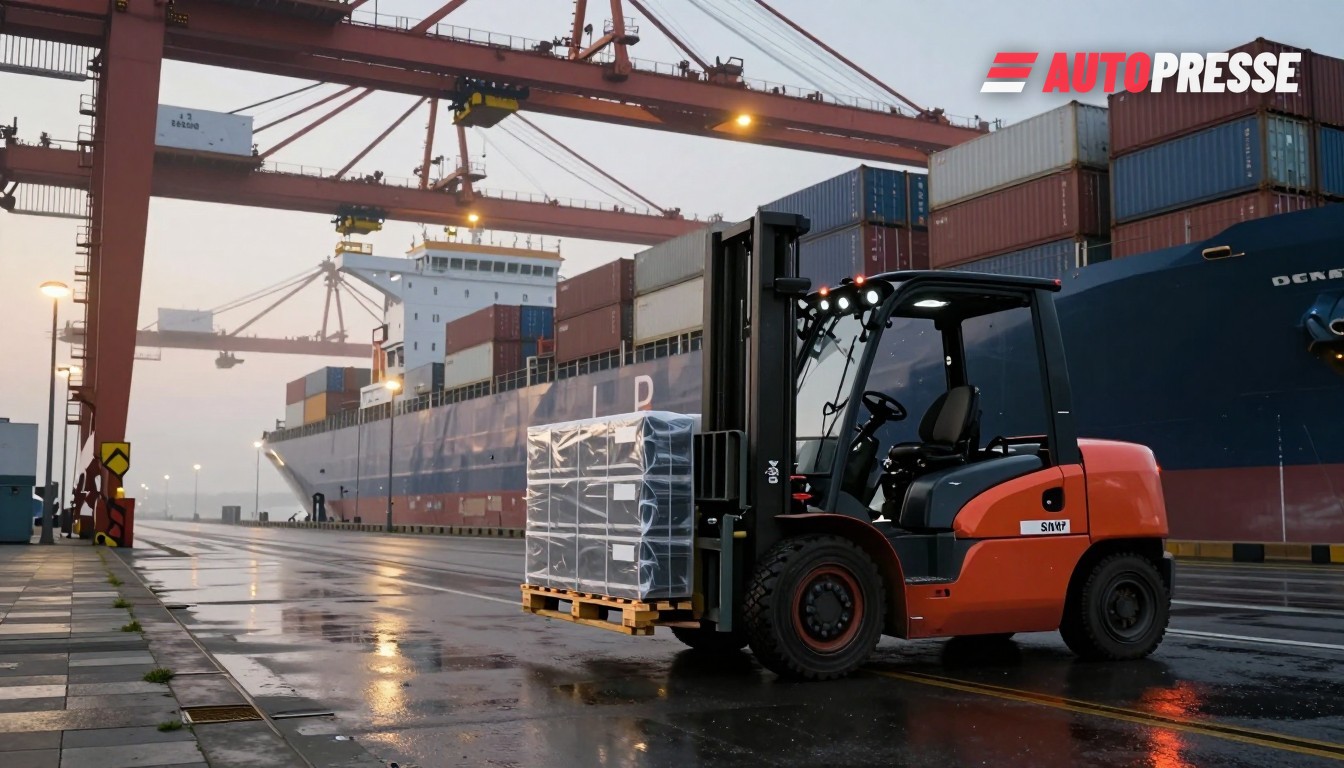
Logistics operators should expect uneven refuelling coverage: Germany’s funding creates corridors where truck operators can plan operations around public stations, while in Austria operators will likely continue to rely on captive depot refuelling or trailerised H2 delivery. Ports and heavy‑equipment users in Austria and southern Germany are already trialling fuel‑cell machines and yard vehicles where local H2 supply is manageable. That split will influence procurement timing for fleets and the location choices of manufacturers and test facilities.
WorldTrader24 B2B vehicle marketplace for dealers →
Sources: electrive, H2Rijders, Hydrogen Insight, Baumaschinen‑Aktuell, EFRE (Austrian project registry)