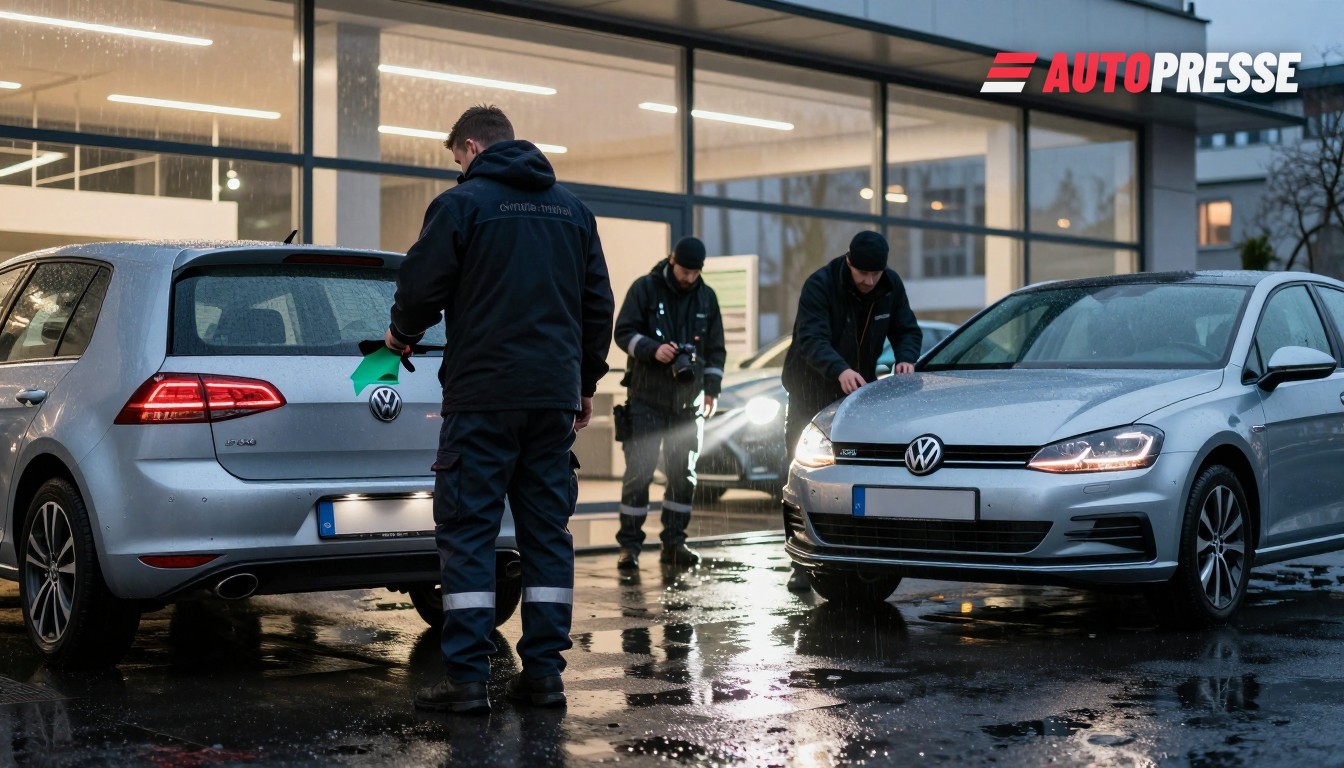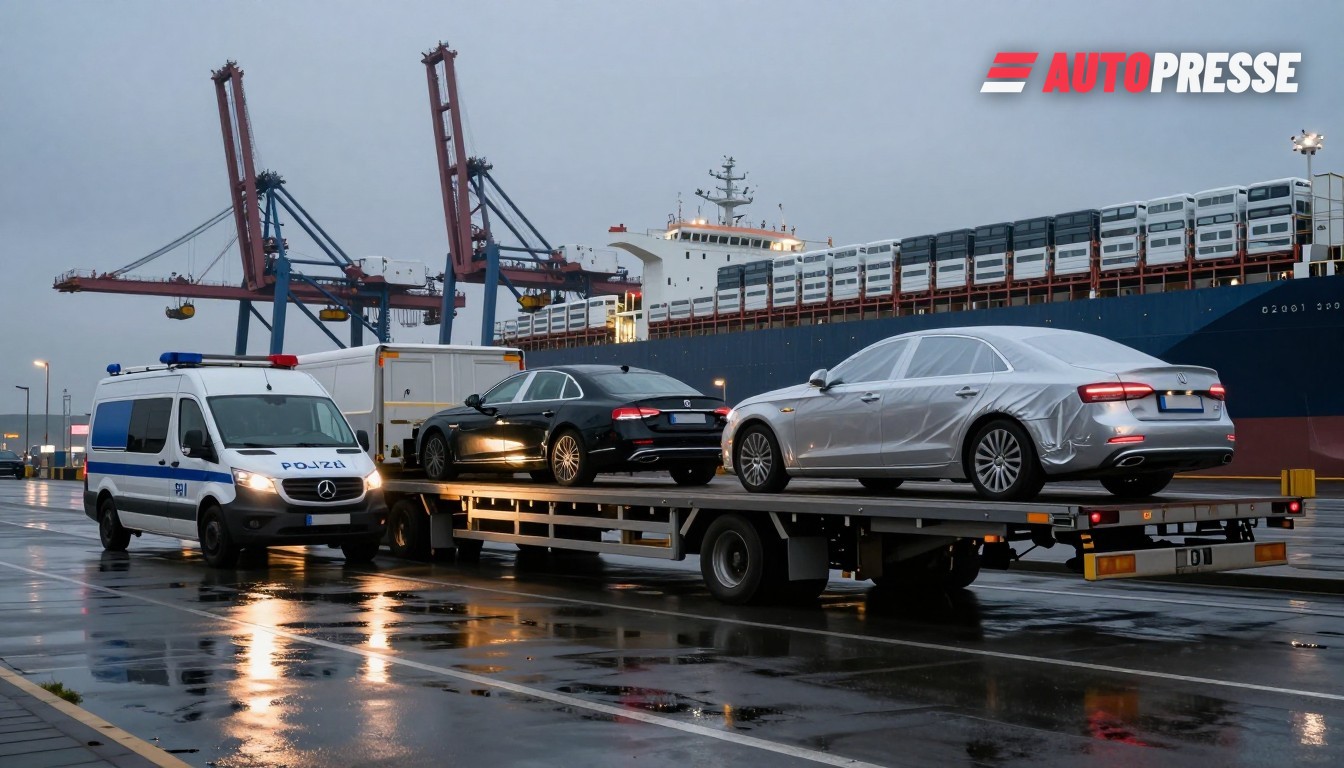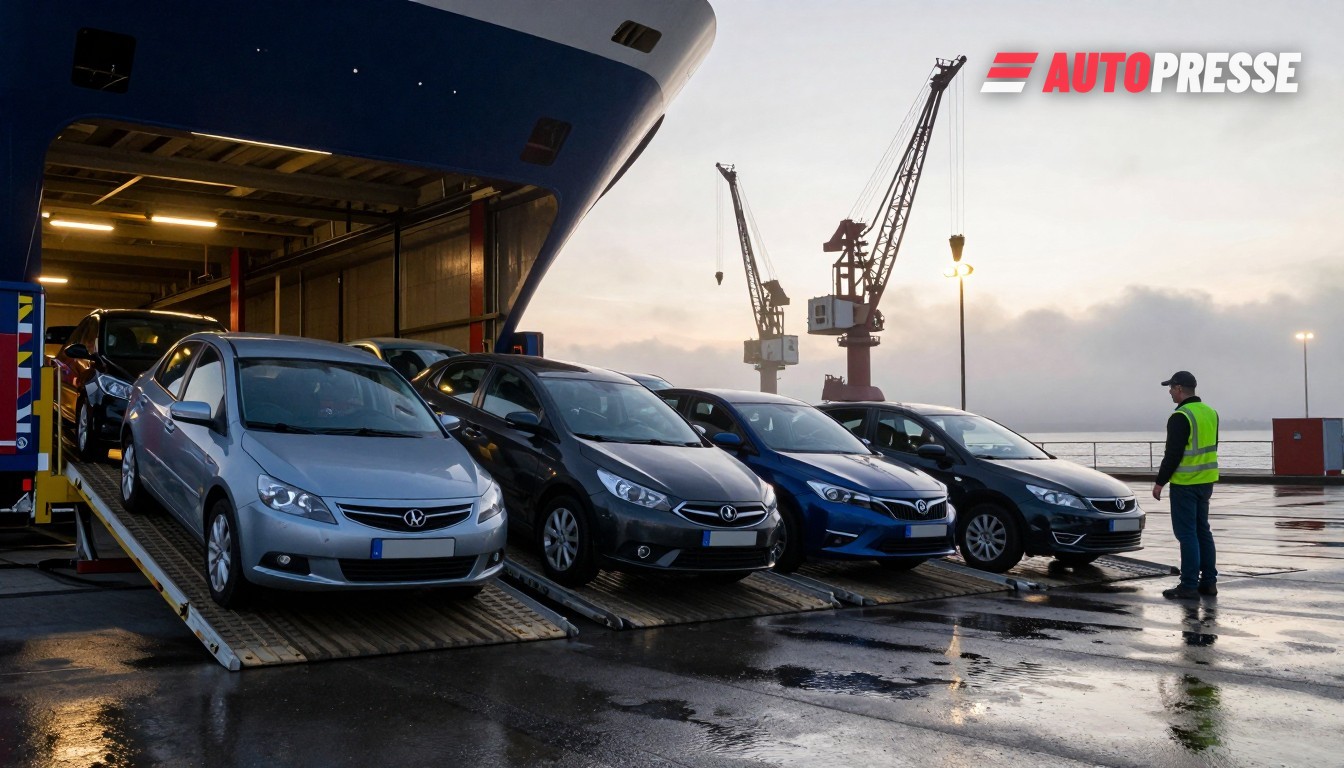
Brussels on 30 October 2026 opened an ex‑officio safeguard investigation into imports of certain new hybrid passenger cars — both non‑plug‑in hybrids (HEV) and plug‑in hybrids (PHEV). The Commission says imports jumped from 957,965 cars in 2023 to 1,423,691 in the 12 months to 30 June 2026 (a 49% rise), and it has given interested parties days, not months, to respond.
What the Notice says and the timetable
The initiation notice (Official Journal C/2026/5780) covers new hybrid passenger vehicles up to nine seats and applies to imports from all origins. The Commission published questionnaires on the day the notice appeared; potential participants have 15 days to register interest and 21 days to return detailed questionnaires and written views. Under EU rules the investigation must conclude within nine months (extendable in narrow circumstances), but provisional measures can be imposed earlier.
Brussels has signalled it may apply provisional restrictions from early December to enforce the bilateral understanding reached with China on hybrid exports — a move that would translate political limits into legally binding measures. The notice itself does not set country quotas; any allocation of volumes between exporting countries would be decided later in the procedure.
Germany & Austria: exposure and immediate effects
Germany already feels the market pressure in registrations and production. German industry statistics show new PHEV registrations fell 8% in October 2026 to 28,499 units while BEV registrations surged; overall, electrified vehicles rose but production and exports are down versus 2025. That mix — strong domestic BEV demand and an active PHEV trade on the import side — means German makers and dealers will watch allocation rules closely.
Austria participates in the same single market and draws imported models from the same EU supply chains; EU‑wide hybrid growth (HEV/PHEV together account for a large share of 2026 registrations) means Austrian importers and fleets are also exposed to any limits or extra paperwork the Commission might impose. ACEA and industry groups welcomed the EU–China understanding as a stabilising step while urging clarity on how measures will be implemented.
What this means for the market
Short term: dealers, fleets and importers in Germany and Austria must decide whether to engage in the Commission process — replies and documentary evidence are due within 21 days of the Oct. 30 notice — because provisional measures could be enacted before the end of the year. If provisional caps are applied, some non‑EU exporters (not only Chinese producers) could face quota limits because safeguards apply to the product regardless of origin. That adds uncertainty for purchasing plans, fleet deliveries and dealer stocking ahead of year‑end.
Medium term: allocation rules — how volumes are split between exporting countries and how importers prove origin and entitlement — will determine who pays higher costs (importers, dealers or end buyers) and which models remain widely available. Austria’s smaller, import‑oriented market and Germany’s mix of domestic production and foreign makes mean both countries have a stake in Brussels’ eventual decision. (This is an inference based on the single‑market coverage of the safeguard and the composition of EU trade flows.)
Hybrid vehicles on WorldTrader24 →
Sources: Official Journal (C/2026/5780), WTO notification, European Commission materials, China Briefing, VDA, ACEA, MLex.