Germany and Austria’s supplier belt is showing new signs of stabilisation this autumn as parts makers win non‑automotive contracts and industrial‑grade material awards that bring near‑term orders and clearer demand signals for plants and subcontractors. These are practical, revenue‑backed moves — not talk — and they matter for workers, dealers and fleets because they re‑route production capacity and spare‑parts flows away from shrinking, car‑dependent workstreams.
Orders and innovation: defence, alloys and robotics
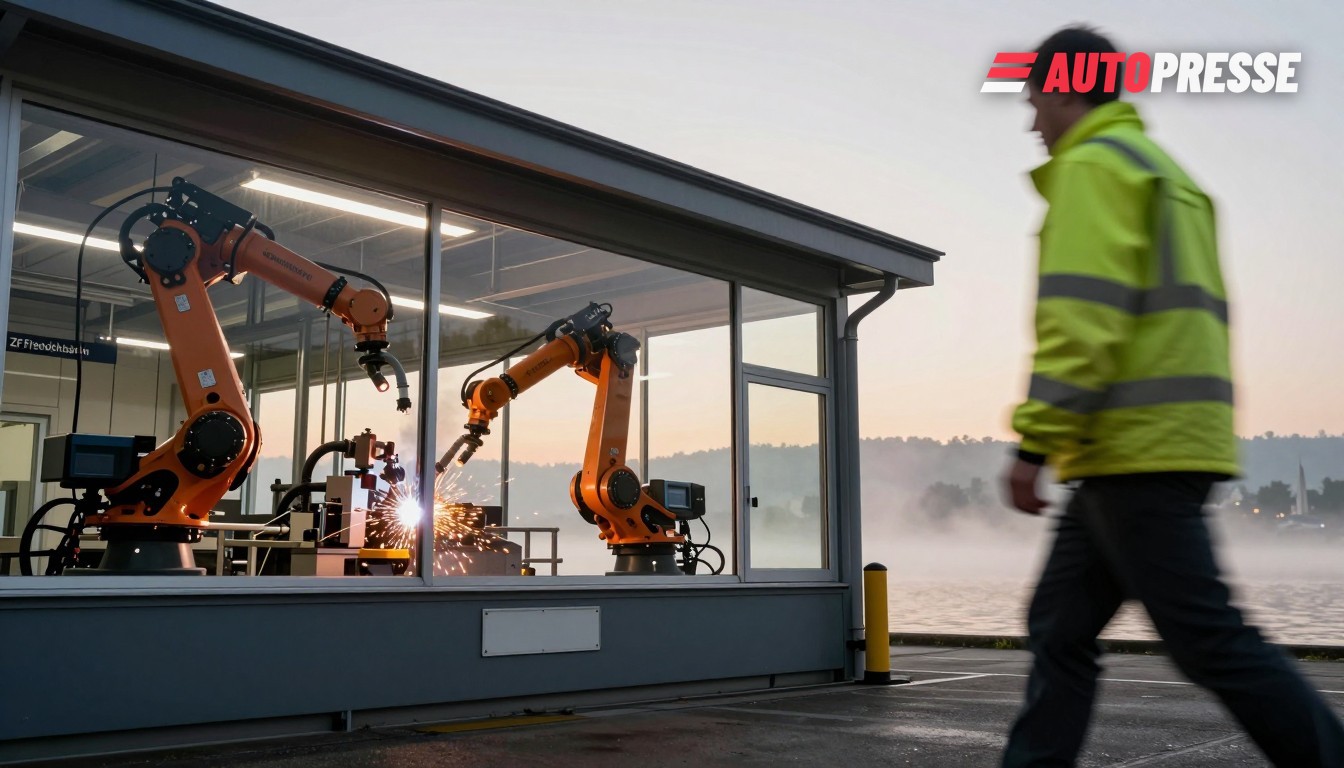
On 18 November 2026 HENSOLDT and ZF Friedrichshafen signed a cooperation to scale series production of the Spexer family of surveillance and counter‑drone radars, with ZF building a scalable production line and automated test capability to deliver radars directly to customers. The agreement was signed at Germany’s Federal Ministry for Economic Affairs and Energy and explicitly aims to meet a structurally rising demand for drone‑defence sensors.
In Austria, AMAG’s Ranshofen centre won the inaugural ALUMINIUM Innovation Award 2026 for a new alloy, CrossAlloy®.57, which AMAG says combines higher strength with good formability and can be industrialised with increased recycled content — a material that OEMs and tier suppliers need for lighter, low‑carbon structures. AMAG linked the award to ongoing customer tests and a stronger outlook at its Q3 presentation.
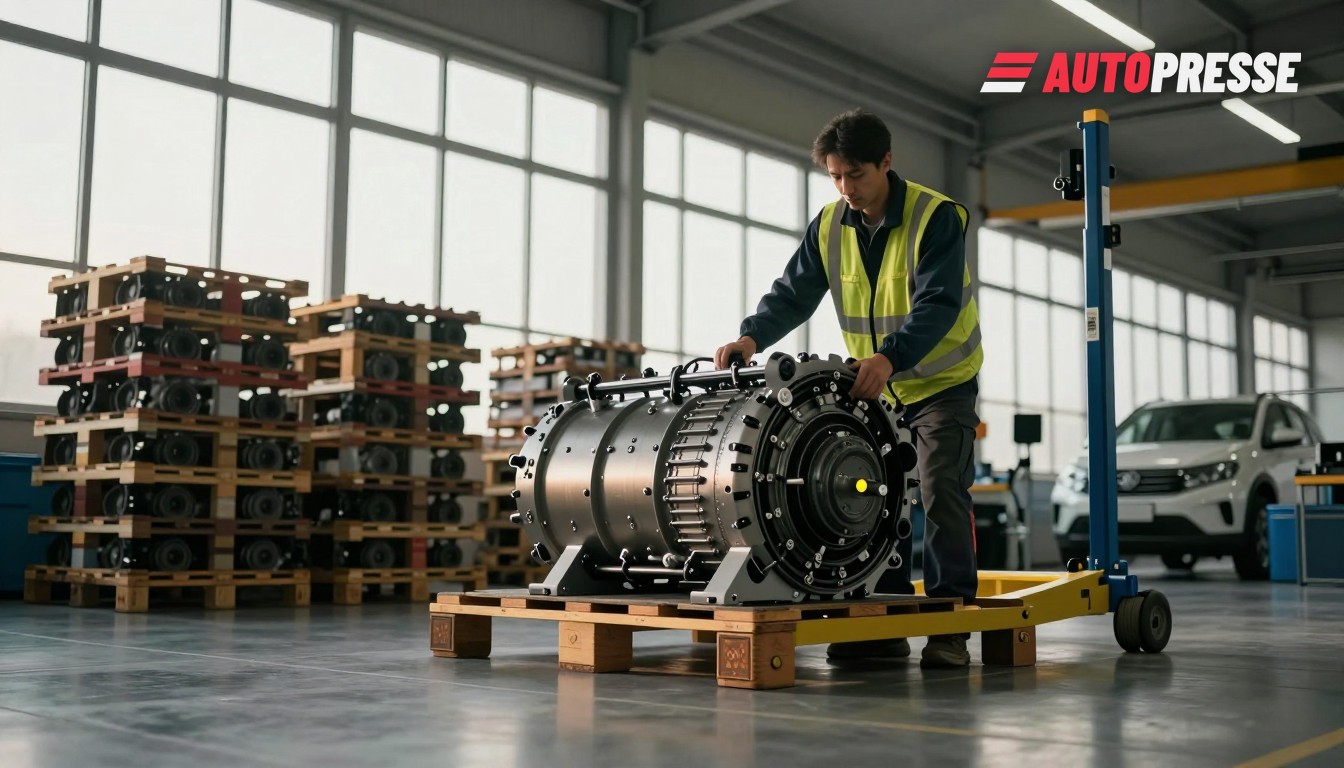
Meanwhile smaller German suppliers are reshaping their roadmaps: Munich‑based motor specialist DeepDrive has publicly launched a pivot into robotics, adapting its dual‑rotor motor architecture to actuators and joint modules — concrete evidence that specialist vendors are hunting higher‑margin industrial markets beyond direct car fitment.
Supply shocks persist — but diversification buys time
That said, supply fragility remains. Senior works councils and industry reporting show chip‑supply interruptions connected to the Nexperia saga have forced short‑time work planning at some German supplier sites this autumn, underscoring the industry’s continued vulnerability even as new orders arrive. Suppliers are therefore balancing two tracks: urgent operational contingency for semiconductors and medium‑term revenue diversification into defence, automation and advanced materials.
What this means for the market
1) Stabilised demand pockets: Defence contracts and industrial automation orders create multi‑year production visibility that helps preserve capacity and supplier margins in regions such as Baden‑Württemberg and Upper Austria (Ranshofen). The ZF–HENSOLDT pact turns a one‑off sensor order into a repeatable manufacturing stream that absorbs tier‑2 and local machine shops.
2) New material windows: AMAG’s CrossAlloy®.57 gives car body and component makers an alternative to heavier steels and some high‑cost aluminium grades, with potential CO2 and scrap‑content benefits — a procurement lever for OEMs trying to meet fleet targets without wholesale platform redesigns.
3) Workforce and logistics implications: pivots to robotics and defence slow the immediate need for mass EV‑specific retraining but raise demand for higher‑skilled technicians (test, RF, automation). Short‑term chip shortages still force protective measures such as Kurzarbeit for vulnerable sites, so the labour market will see both pockets of recruitment and intermittent downtime.
Germany’s and Austria’s suppliers are therefore rewriting portfolios: fewer pure car‑only bets, more cross‑sector manufacturing that pulls in contract testing, automated assembly and alloy processing. That reshuffle doesn’t end structural pressure on margins, but it does create routes to steady factory utilisation — and to new, regionally anchored supplier ecosystems.
WorldTrader24 B2B-Fahrzeugmarkt für Händler →
Sources: HENSOLDT, AMAG, AutoPresse, Handelsblatt