Across Germany and Austria, parts makers and service suppliers are quietly shifting from trial projects to operational AI — a move that will change how spare parts are forecast, repairs are booked and small‑tier margins are defended. For drivers and dealers the consequence is practical: shorter workshop wait times, faster diagnostics and more automated market‑pricing on used cars; for employees it means new skills in data, operations and maintenance.
AI moves from pilots to production
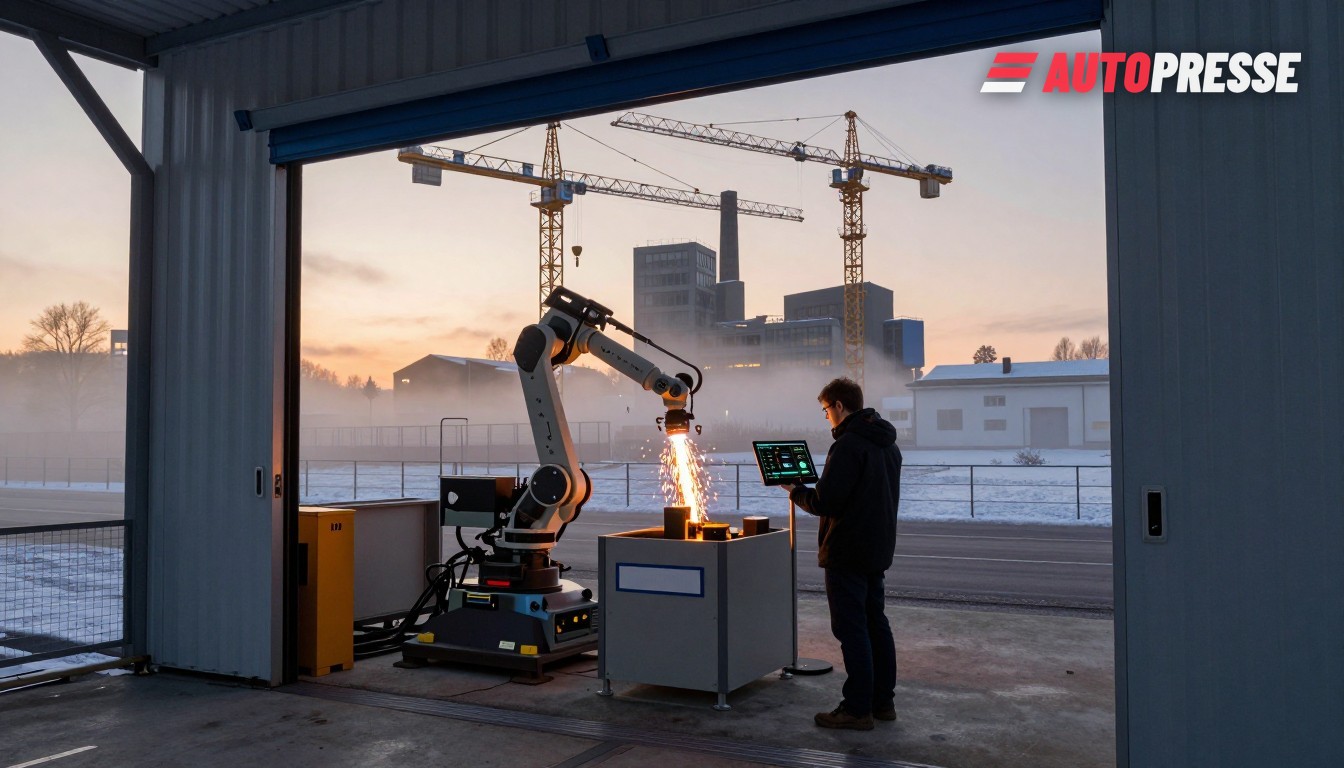
The clearest sign is infrastructure: Deutsche Telekom announced on 9 November 2026 that it will expand its Munich “Industrial AI Cloud” to 20 MW and add NVIDIA Blackwell Ultra (B300) systems to support demanding industrial workloads — a capacity build aimed at moving factory AI projects from prototype to production. This expansion specifically cites robotics, high‑fidelity digital twins and agentic AI uses relevant to carmakers and suppliers.
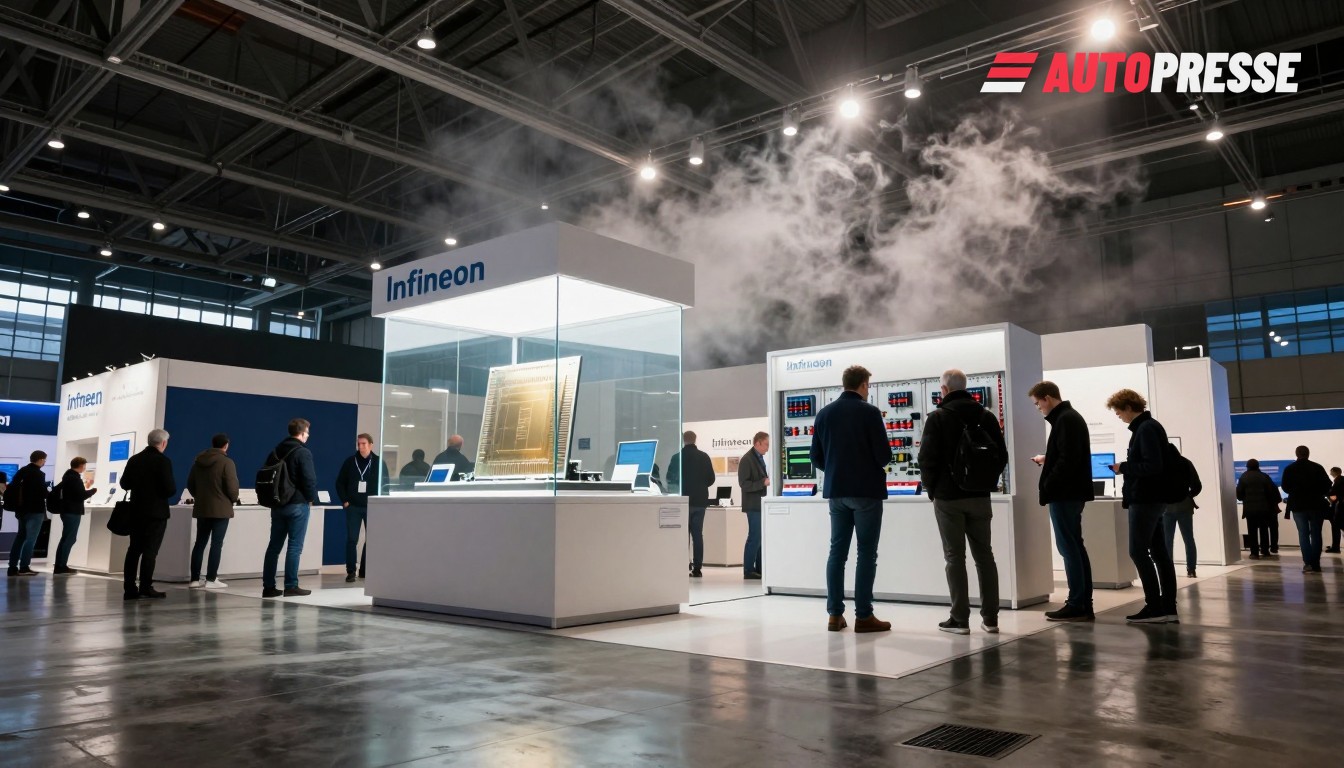
At the same time a local chip ecosystem is appearing. TU Dresden spin‑out Sparxity closed a Series A in November 2026 (bringing total financing to roughly $90m) and signed a Letter of Intent with T‑Systems/Deutsche Telekom to test its energy‑efficient, “sparse‑native” inference hardware in German data centres — a practical route for suppliers to run AI closer to their production lines without relying solely on overseas providers.
On the software and services front, dealer and aftermarket pilots show how agentic tools are being used day‑to‑day: AutoPresse’s coverage documents multiple German and Austrian dealer pilots using autonomous multi‑agent AI systems for market scans, lead handling and phone bookings — functions that feed supplier demand signals back into parts planning and workshop scheduling. AutoPresse describes this family of tools as an “autonomous multi‑agent AI ecosystem” already running in the field.
Austria’s adoption: maintenance, twins and lean‑smart practice
Austrian industrial suppliers are translating AI into reliability gains. At the ÖVIA congress in Leoben (7–8 October 2026) voestalpine Stahl GmbH, Linz, won the Maintenance Award Austria (MA²) for its Lean‑Smart maintenance programme, which foregrounds digital twins and AI agents for predictive upkeep — a concrete example of how AI lowers unplanned downtime for stamping and steel suppliers that feed car plants.
And Bosch’s public statements this year underline the same thread: German tier‑1 and systems suppliers are investing in governed supply‑chain digitalisation and integrated service toolsets to improve responsiveness and reduce complexity across cross‑border supplier networks. Those moves make AI‑driven, data‑rich maintenance and logistics achievable at scale.
What this means for the market
First, buyers and local dealers should expect fewer “out‑of‑stock” parts for common repairs as forecasting and workshop‑booking become more tightly coupled to live market scans and dealer‑side agents. Second, suppliers will be able to squeeze margin pressure from volatility: energy‑efficient inference chips (like those from Sparxity) and sovereign compute (Telekom’s AI factory) lower operating cost and regulatory friction for European deployments. Third, jobs will shift rather than vanish — maintenance, data‑ops and AI‑tooling roles expand even as purely repetitive jobs shrink; Austria’s MA² award shows companies ready to retrain into Lean‑Smart maintenance models.
For dealers and workshops in Germany and Austria the practical next 12 months will be about adoption: integrate agentic booking and market‑scan tools, invest in DMS links to parts suppliers and train technicians on diagnostic AI workflows. Suppliers that make that jump can stabilise supply, shorten repair lead times and defend margins — a firm advantage while volumes and model mixes remain volatile.
B2B vehicle marketplace listings on WorldTrader24 →
Sources: AutoPresse, Deutsche Telekom, ÖVIA, Bosch Media Service