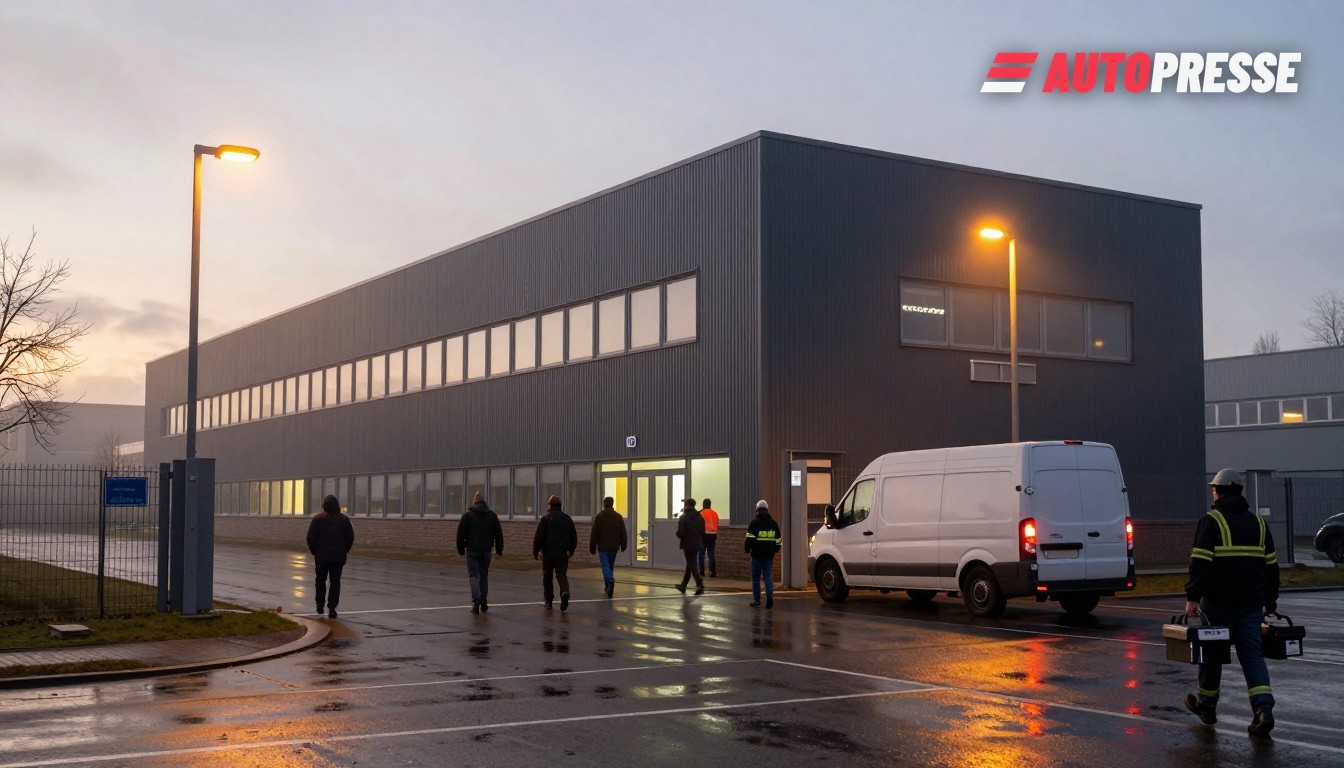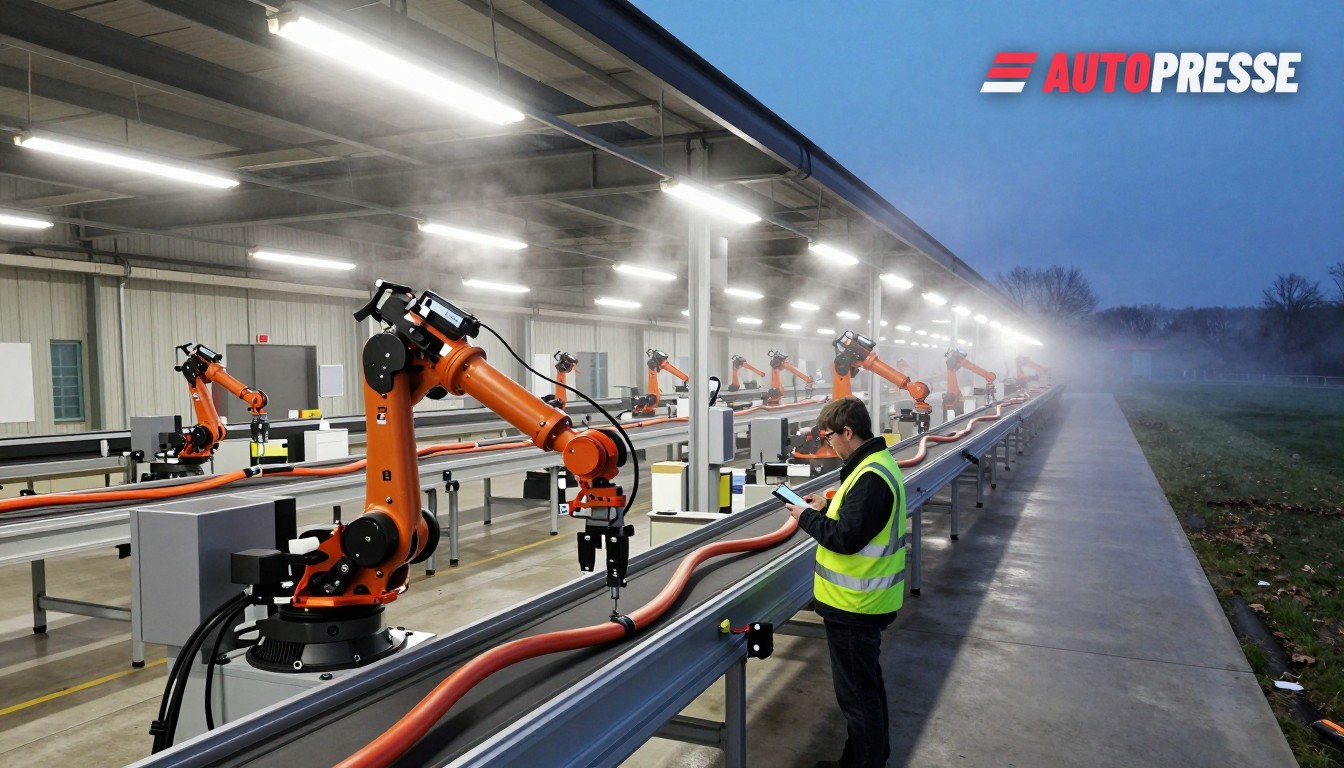
The supplier landscape serving German and Austrian carmakers is shifting fast — not just through technology bets but through cost cutting and local energy moves that touch workers, dealers and buyers across the region. Plants that invest in on‑site energy hope to lower operating costs and keep local jobs; others are still announcing redundancies as OEM investment patterns stay volatile.
Green heat and shrinking payrolls — the split grows
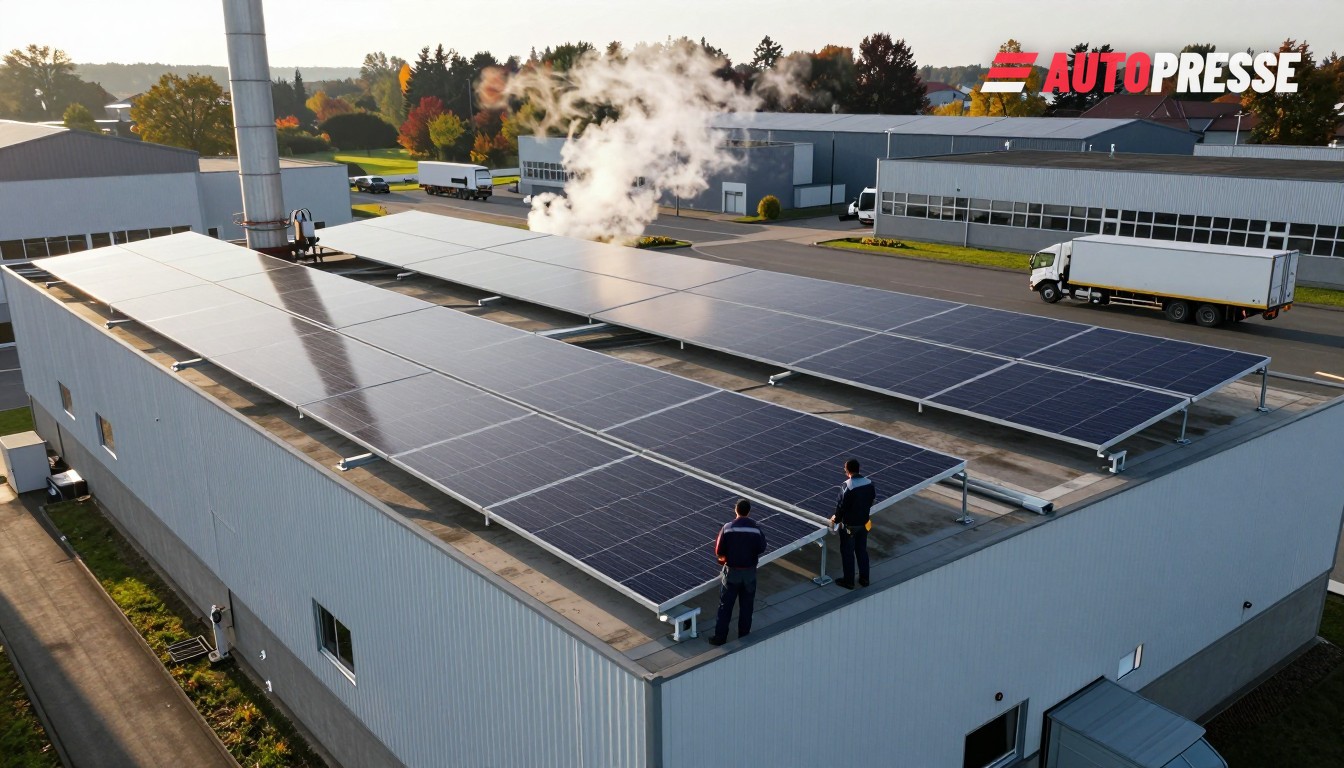
MAHLE this month commissioned what it calls Germany’s largest photovoltaic‑thermal (PVT) system at its Vaihingen an der Enz plant, a hybrid array of 1,639 solar panels that supplies both electricity and process heat — MAHLE says the installation now meets almost all of the site’s previous heat demand. The supplier presents the move as a direct way to cut fossil‑fuel use and energy cost exposure at a time of high prices.
At the same time MAHLE reported improved operating results for 2025 and said it remains on a path to “profitable growth,” while still warning of structural pressure from regulation and weaker markets; the company recorded about 64,242 employees worldwide at year‑end 2025 and flagged continued restructuring to align costs.
Contrast this with Austria’s AVL List in Graz, where the tech group confirmed further cuts: around 180 jobs were announced in late August 2026 as demand and project timing in test and instrumentation work weakened. AVL said the measures focus on Instrumentation and Test Systems and are intended to secure the company’s long‑term investment capacity. The move follows several earlier waves that have already reduced the Graz headcount significantly.
Profit, liquidity and the squeeze on tier‑one margins
ZF’s latest nine‑month update underlines the squeeze on suppliers even when orders hold up: ZF reported sales of €28.9 billion for the first nine months of 2026, with organic growth of 1.4% and an adjusted EBIT margin of 4.9% — an improvement, the company says, but one driven by a continued performance programme and strict cash discipline rather than demand tailwinds. ZF warned markets remain difficult.
What this means for the market
The patchwork of green investments (like MAHLE’s PVT) and repeated headcount reductions (AVL, and pockets across Germany and Austria) signals a clearer split in the supplier tier. Firms that can invest in energy efficiency and capture long‑term OEM orders will be better placed to retain local production and apprenticeships; others face consolidation or migration of low‑value production to lower‑cost countries. For drivers and dealers the immediate effects are indirect but real: fewer local suppliers can mean longer lead times for parts, more expensive service and a concentration of spare‑parts logistics at larger aftermarket hubs. For employees the message is stark — upskilling toward electrification, test‑systems and energy management is now an urgent labour‑market imperative.
B2B vehicle marketplace on WorldTrader24 →
Sources: MAHLE, ZF, Der Standard, Handelsblatt