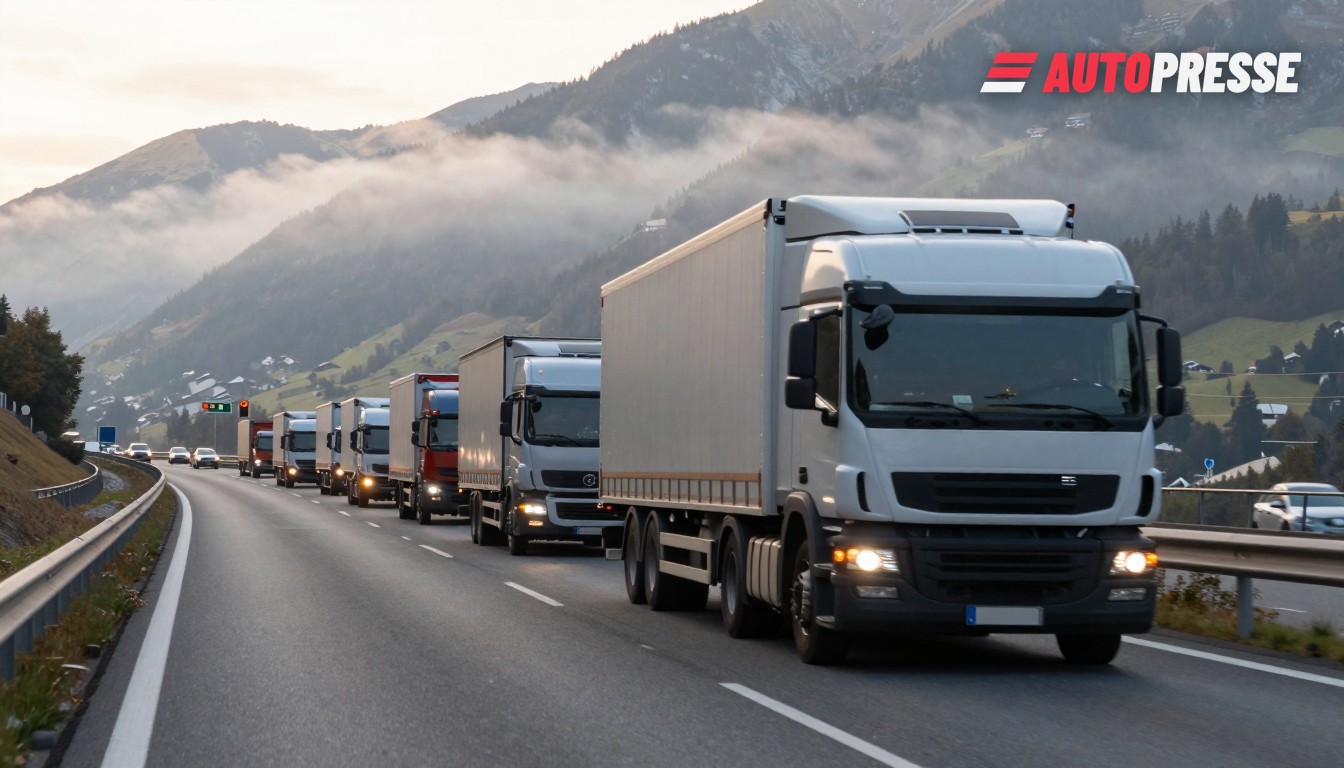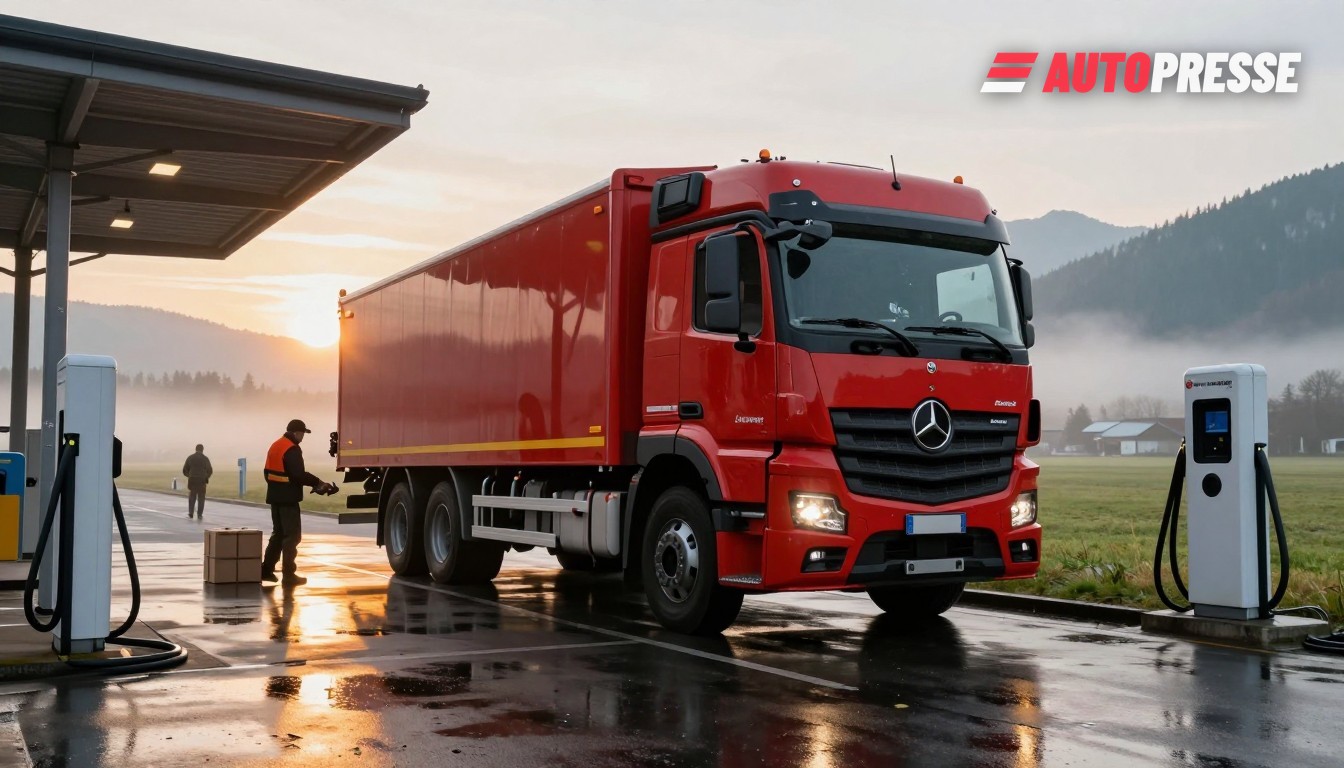
A consolidation in Central‑European logistics plus a fast push to battery trucks are reshaping trade flows for Germany and Austria — and for dealers, fleets and parts suppliers that rely on reliable urban distribution. German Geis will take 100% of Austrian Quehenberger on 1 January 2027, while Quehenberger is nearly doubling its heavy e‑truck fleet from 13 to 24 vehicles by the end of 2026 and planning a larger rollout after that.
Deals accelerate fleet electrification
The Geis Group’s decision to buy the remaining shares in Quehenberger formalises deeper integration begun in 2023 and creates a larger platform for scaling electric fleets in Austria and neighbouring German regions. Geis says the new matrix structure will pool Road, Contract Logistics and Air+Sea functions across markets from 1 January 2027.
Quehenberger has made electrification operational: the company confirmed a plan to expand from 13 to 24 battery‑electric trucks by the end of 2026, install charging infrastructure at its depots and target roughly 60% electric share of its Austrian owned fleet by 2027; the operator also signalled further additions (around +50 vehicles) in the following two years. Management framed the move as targeted deployment for urban and predictable routes rather than a scattergun fleet swap.
Ports, schedules and rail: why operators act now
Logistics operators are accelerating electrification and consolidation against a backdrop of unstable ocean schedules and persistent terminal pressure. Industry trackers report weak schedule reliability on Asia–Europe routes in autumn 2026, keeping shippers cautious about transit certainty and prompting more use of regionally flexible contractors and premium routing. Freight managers in Germany and Austria are increasingly valuing predictable, local distribution partners as part of end‑to‑end resilience planning.
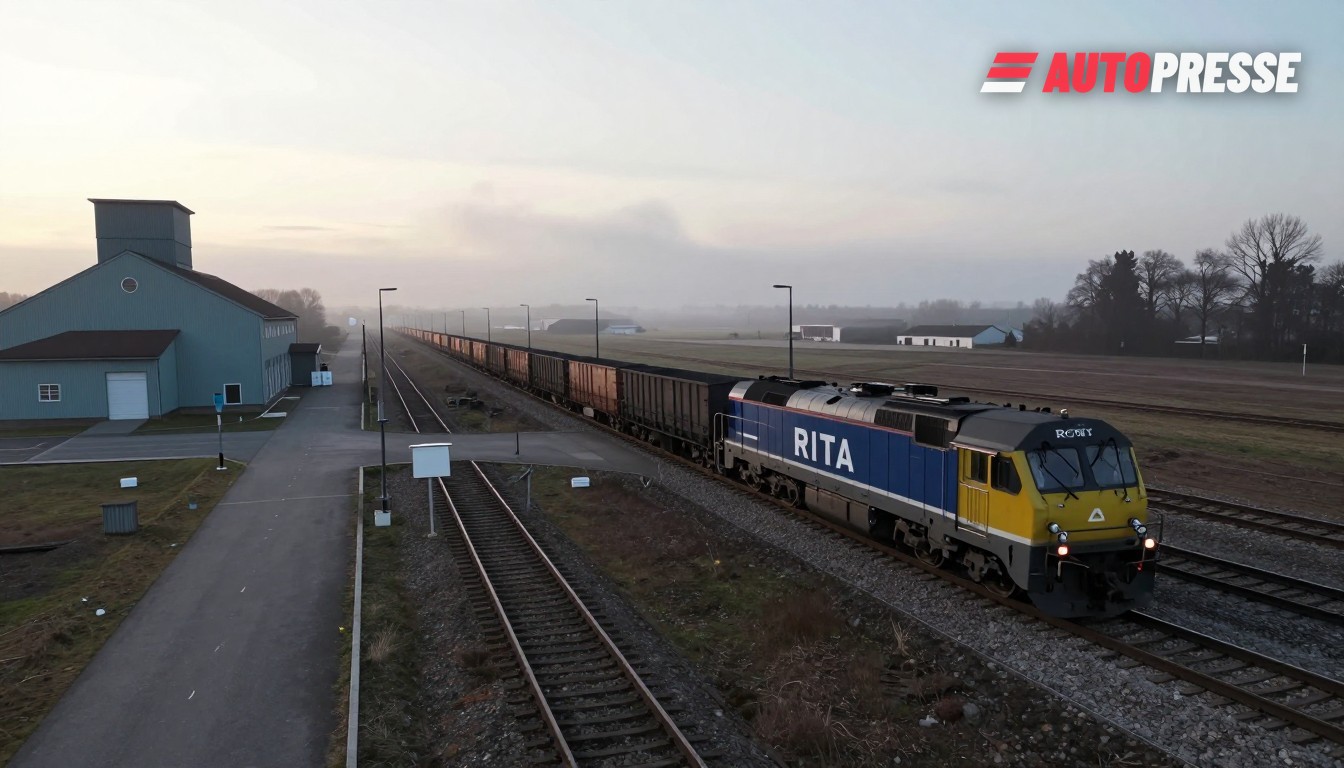
At the same time Austria’s rail freight base remains substantial: Statistics Austria reports 96.2 million tonnes moved on the national rail network in 2025, up 1.8% year‑on‑year — a reminder that modal shift and intermodal planning continue to be central to cross‑border parts flows between Germany, Austria and Italy.
What this means for the market
Dealers and fleet managers: expect tighter local delivery capacity but greener urban lanes. Large logistics groups centralising brands (Geis+Quehenberger) can offer wider, standardised electric‑truck contracts to OEMs, dealers and parts networks — useful where predictable, short‑haul legs dominate. Buyers should ask prospective transport partners for concrete route profiles, charging uptime guarantees and depot charging plans (dates and kW).
Workshops and suppliers: electrified distribution growth creates demand for depot chargers, HV maintenance capability and spare battery logistics. That means opportunities now for charging installers, battery remanufacturers and local service partners prepared to schedule planned maintenance into daily routing windows.
Policy and planners: the Geis–Quehenberger move shows consolidation is also a tool to spread the capital cost of chargers and route planning across a larger footprint, speeding city‑level decarbonisation without leaving small carriers behind.
Electric vehicles listings on WorldTrader24 →
Sources: Quehenberger, Geis, Statistik Austria, Drewry, Maersk, electrive