Germany’s and Austria’s logistics networks are being reshaped not by a single new road or rule but by a cluster of terminal upgrades, electrified cranes and remote‑operation pilots that will change how cars, parts and components move across the region. For importers, OEMs and dealers the result will be faster hinterland links — but also a difficult transition period of slower yards, new skill needs and concentrated investment decisions.
Ports and terminals: capacity, cranes and cash
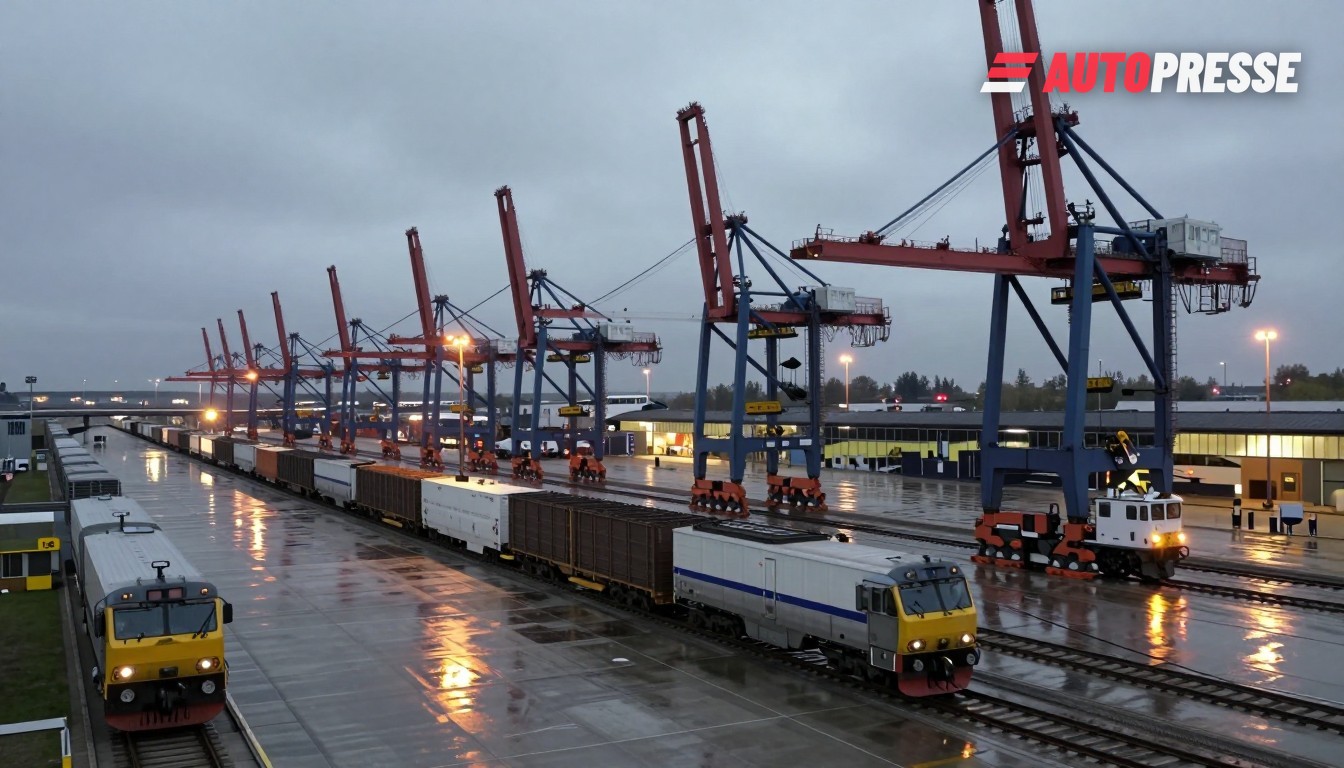
Hamburg operator HHLA told investors it has prioritised stabilising automation at its terminals after an operationally challenging 2026 and expects Port Logistics EBIT of €100–120 million for the full year; the group also says it has shifted capital to complete automation and European intermodal expansion. HHLA confirmed that METRANS completed a comprehensive expansion of its Poznań terminal in early October 2026, lifting annual throughput capacity by almost 80% to roughly 590,000 standard containers — a manoeuvre aimed directly at strengthening northern European hinterland links. These moves coincide with large equipment programmes: EUROGATE’s 2026 reporting shows handling at its German sites rose and that negotiations for STS, 16 electrified RTGs and RMGs plus near‑€1bn modernisation plans for Bremerhaven/Hamburg are under way.
Terminals go automated — and teething pains follow
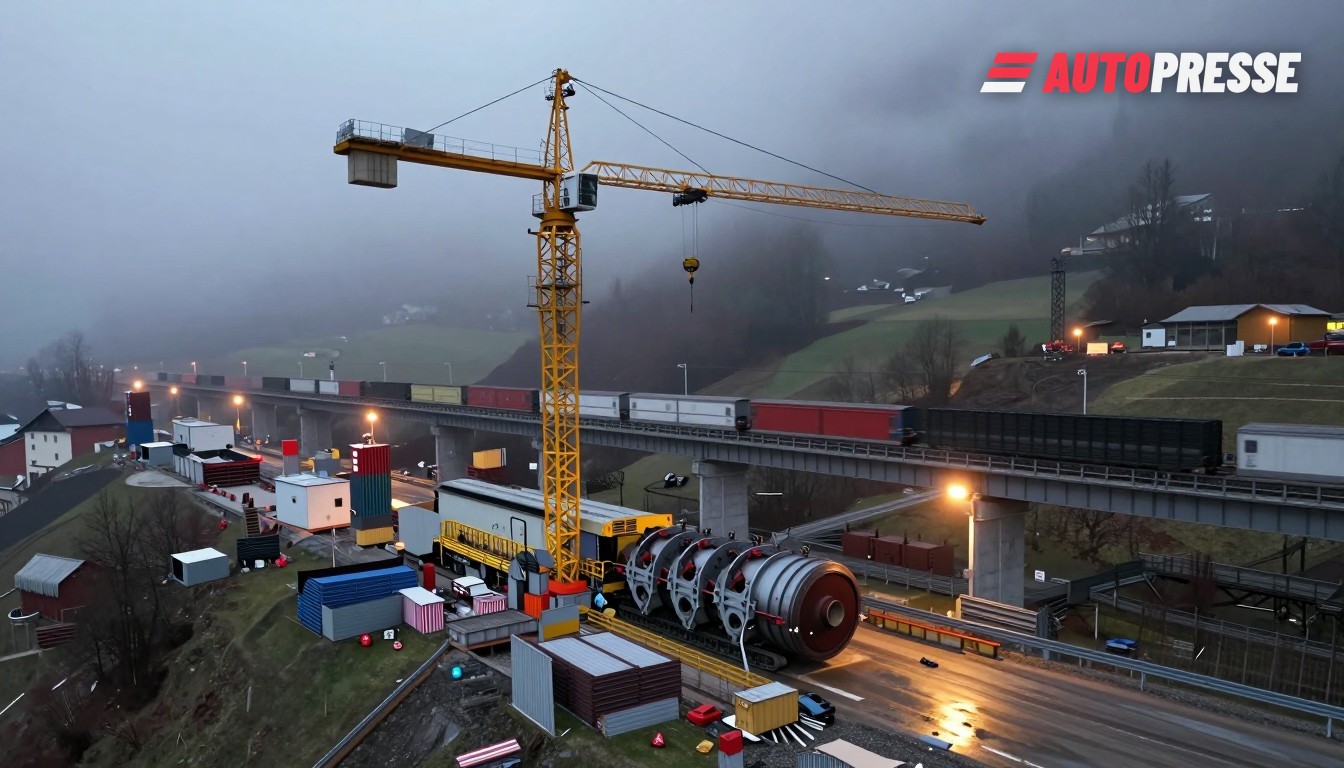
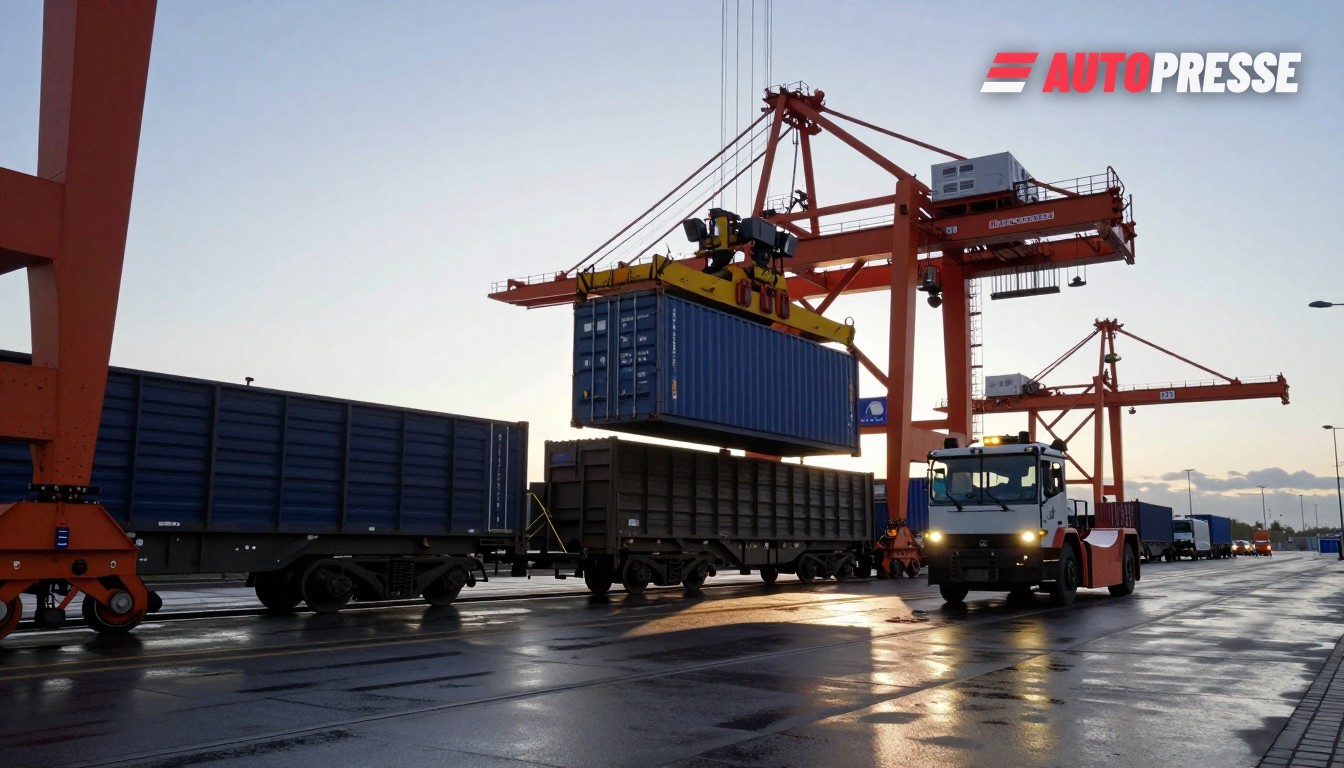
Terminal automation is not instantaneous. HHLA’s Q1–Q3 2026 interim statement documents falling container throughput and a painful ramp‑up phase for automation in Hamburg that cut near‑term EBIT and delayed other capex while new systems stabilise. The company has also ordered hybrid straddle carriers and extended automated AGV handling but warns delays will push some investment into 2027. At the same time ÖBB’s TerminalRevolution programme in Austria is converting gantry cranes to remote‑control in Wolfurt (pilot in 2026) and rolling out further conversions in Wels and other sites in 2027 — a push designed to raise safety and throughput but one that requires fibre, cameras and new operator training.
What this means for the market
1) Short term pain, medium‑term capacity: Expect intermittent yard slowdowns as new cranes, AGVs and remote‑operators are commissioned — HHLA explicitly links recent margin pressure to the automation ramp. That will affect scheduled car imports and parts inbound by container and rail, forcing some firms to retain buffer stock or pay premium express freight during winter‑time stabilisation.
2) Hinterland rebalancing: METRANS’ Poznań expansion (≈+80% capacity to ~590,000 TEU) strengthens a Polish hub that feeds German and Austrian markets and makes intermodal rail more competitive — but operators and shippers will compete for rail paths, equipment and truck‑feeder slots. Expect increased pressure on rail links and more private terminal partnerships around northern ports.
3) Skills and suppliers: Remote crane stations, electrified RTGs and automated yards change hiring and supplier demand. Terminals will need fewer dock hands but more telecoms, PLC and crane‑control engineers; local crane manufacturers and electrification suppliers will benefit where tenders are kept domestic. ÖBB notes fibre cabling and camera arrays were installed in Wolfurt as part of its conversion.
4) Rail remains resilient in Austria: Statistics Austria reported a modest 1.8% rise in rail freight tonnage for 2025 (96.2 million t) and a 2.9% increase in intermodal units handled — a reminder that rail investments and terminal capacity will be central to long‑distance supply security between Germany and Austria. That resilience underpins the business case for intermodal terminal modernisation even as ports absorb the short‑term cost of automation.
Port operators and terminal partners are now juggling two tasks: finish automation without derailing throughput, and scale intermodal networks so Poznań, Hamburg and Bremerhaven can move more boxes reliably. For carmakers, suppliers and dealers the message is clear — plan for spotty transit times in the coming months, but prepare to use faster, cleaner hinterland links once the new terminals stabilise.
WorldTrader24 B2B vehicle marketplace for dealers and suppliers →
Sources: HHLA interim statement (Jan–Sep 2026), EUROGATE 2026 report, ÖBB TerminalRevolution, Statistics Austria (rail freight 2025)