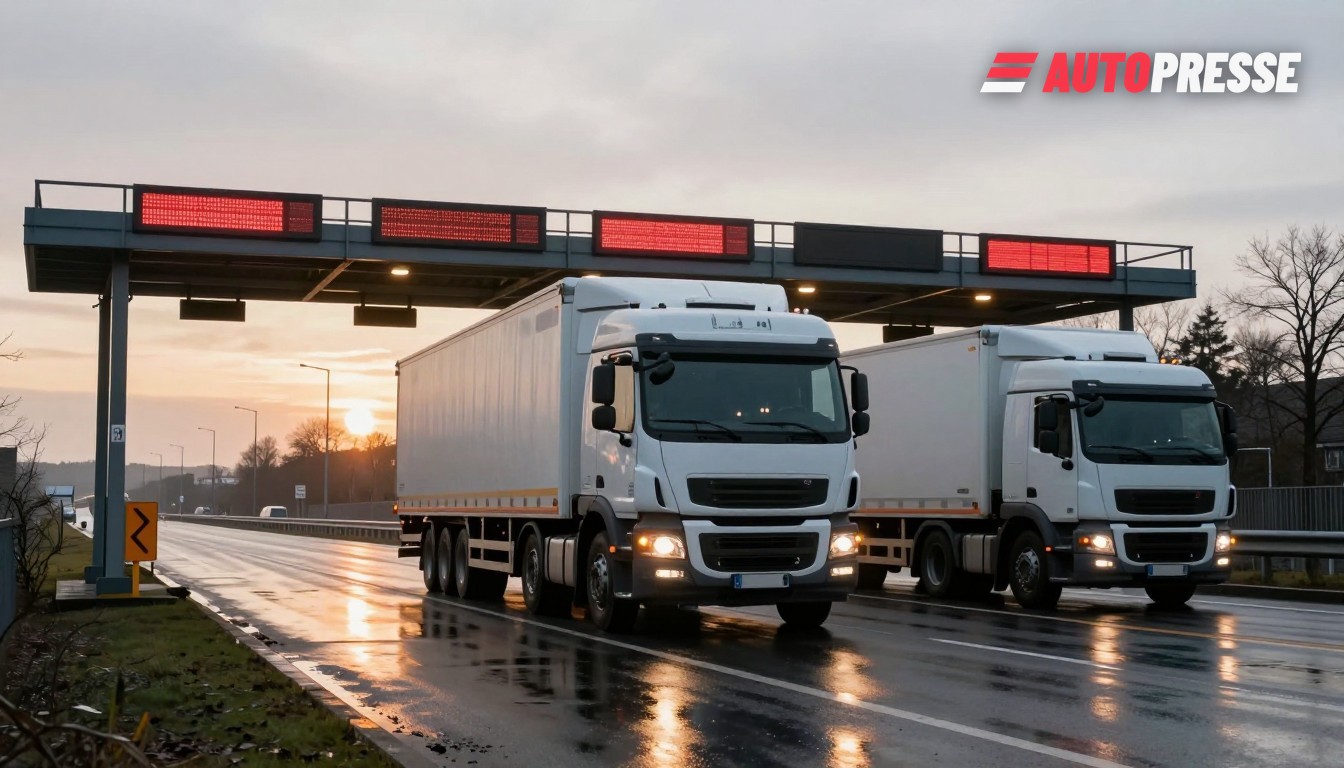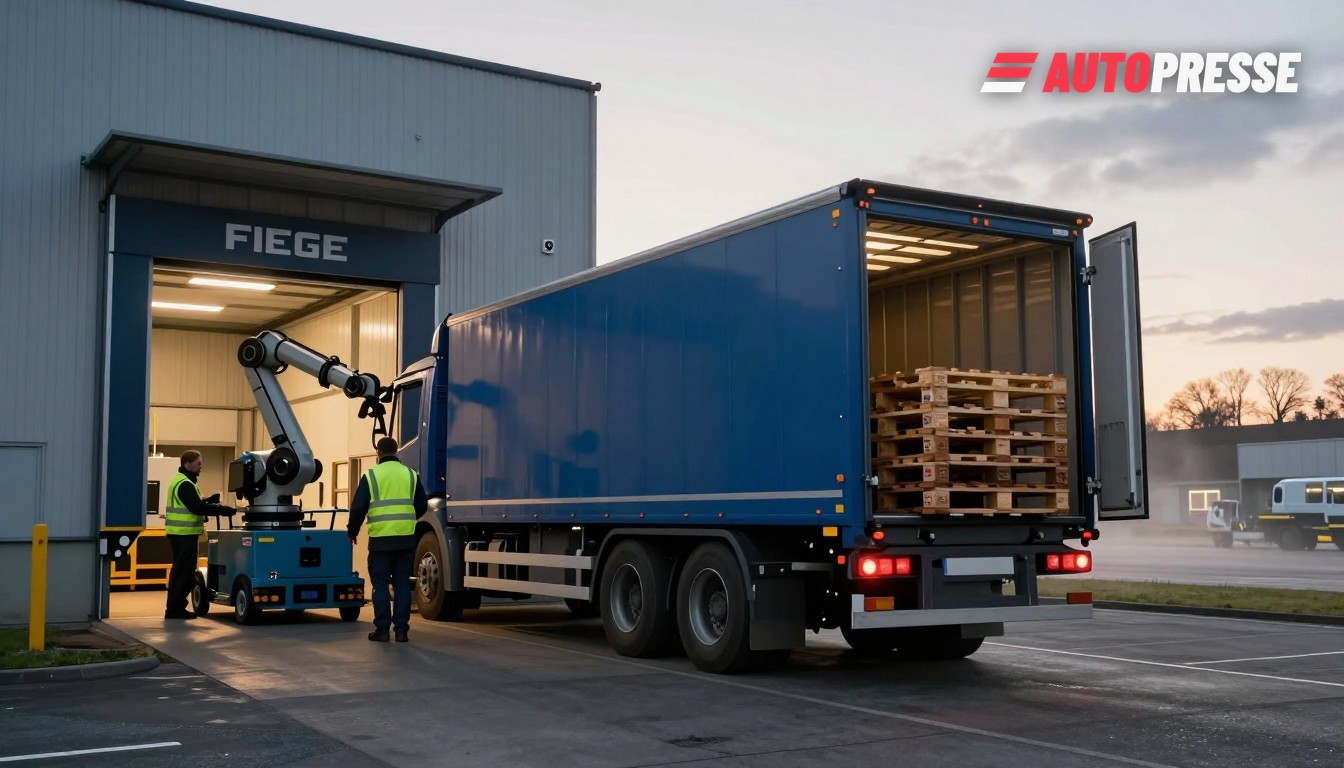
Germany and Austria are quietly re‑wiring freight flows as policy, labour and port capacity collide. Berlin’s May package to speed up access for foreign lorry and bus drivers arrives at the same time Austria reports a modest rail freight rebound — a combination that is already changing choices by fleets, terminal operators and OEM logistics teams across the two markets.
Policy to plug gaps — and speed drivers into cabs
On 27 May 2026 the German cabinet approved an amendment to the Berufskraftfahrer‑Qualifikationsverordnung that aims to shorten practical tests, allow the accelerated qualification exam in eight foreign languages (including English, Arabic and Ukrainian) and ease recognition of certain third‑country licences (Ukraine and Montenegro are specifically mentioned). The ministry says the changes are intended to bring drivers “faster into the job” and to enable more long‑term recruitment from abroad; the rule was scheduled to enter into force in 2026.
The move comes as Germany’s labour market is already being propped by foreign workers: the Federal Employment Agency reports that since 2014 immigration has become a decisive driver of employment growth and that foreign nationals now play an outsized role filling shortage occupations — including professional drivers. Logistics operators and hauliers told AutoPresse they expect faster licence conversions and multilingual testing to reduce lead times for hires and ease seasonal pressure.
Ports and rail: mixed throughput, modal consequences
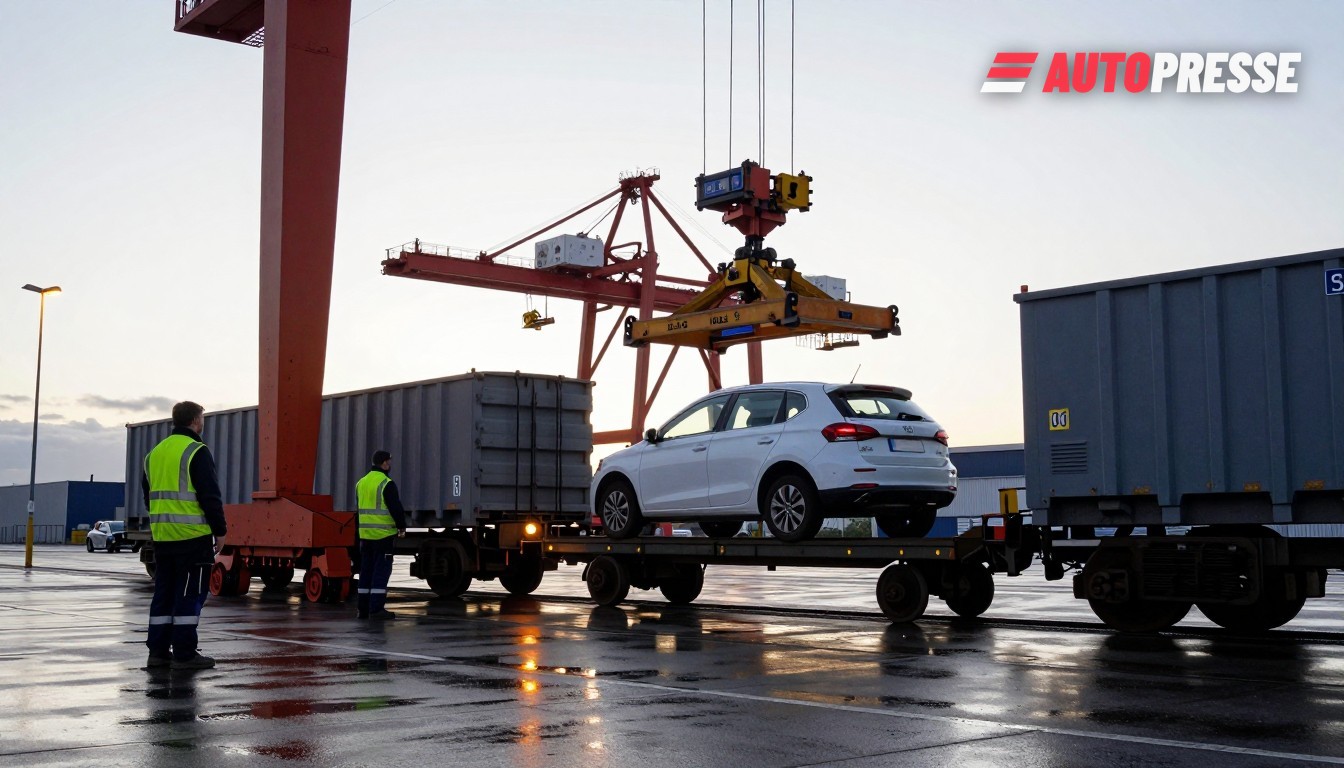
Ports show a mixed picture that is steering shippers’ choices. Germany’s biggest seaport, Hamburg, recorded a first half 2026 throughput decline as terminal modernisation and construction work cut handling capacity; HHLA logged a 6.7% drop in group container handling to about 2.96 million TEU for January–June. By contrast, the Bremen/Bremerhaven port group reported stronger traffic: combined seaborne cargo rose 5.9% in H1 to roughly 34.5 million tonnes and vehicle handling in Bremerhaven increased about 2.4% to ~614,000 units. The differences are triggering short‑term re‑routing and higher use of intermodal rail links into Austria and southern Germany.
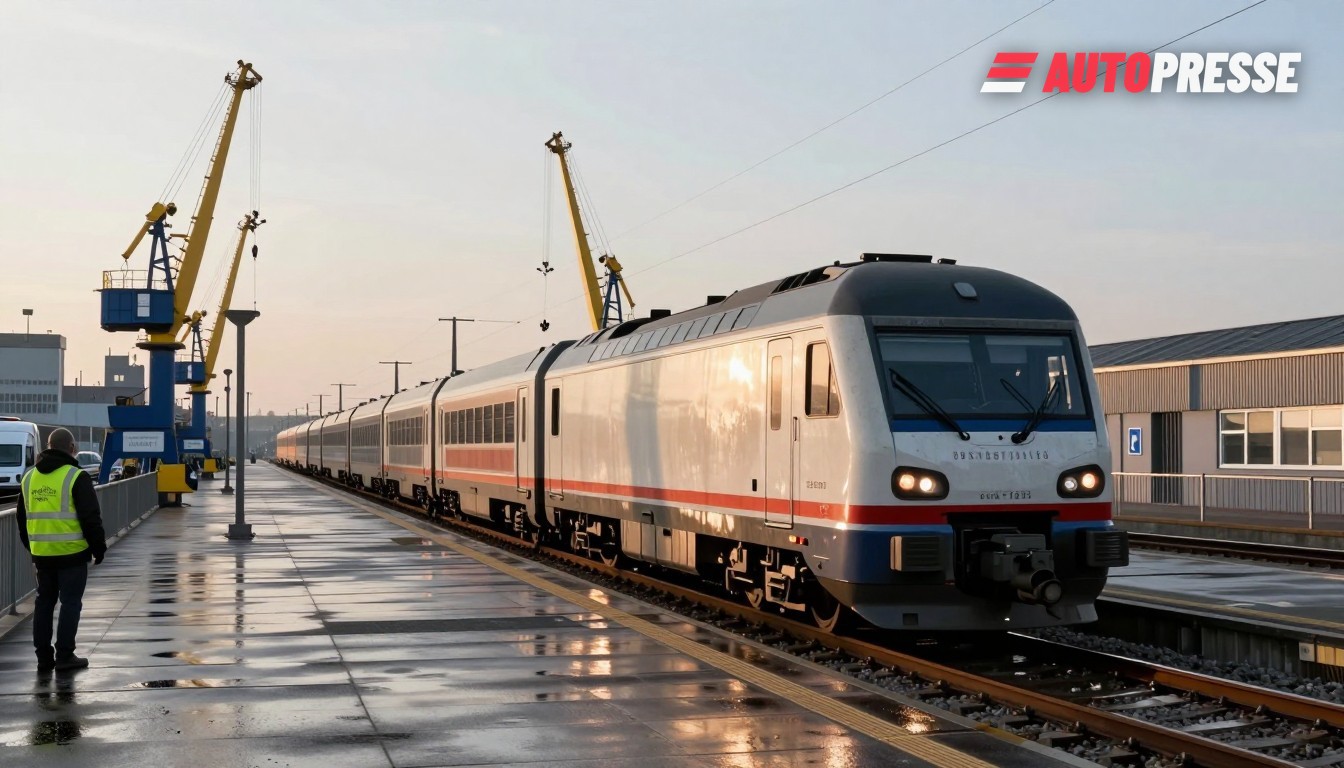
Austria’s rail network is already absorbing more tonnage. Statistics Austria reports that rail freight rose by 1.8% in 2025 to 96.2 million tonnes and domestic transport performance climbed 2.6% to 21.5 billion tkm — transit through Austria remains particularly important for Germany‑Italy flows. That stronger rail baseline gives Austrian terminals and forwarders negotiating with OEMs a credible alternative when road capacity or port slots tighten.
Industry reactions and capacity bets
Suppliers and infrastructure firms are betting on the shift: voestalpine foregrounded railway systems and announced plans that lean on rising global rail investment, while continuing its steel‑plant modernisation with electric arc furnaces planned for the first half of 2027. Market players told AutoPresse that greater rail capacity and upgraded port hinterland rail links are already factored into 2027 routing and contract tenders.
What this means for the market
For OEM logistics, dealers and spare‑parts networks the short term is about flexibility: expect more mixed transport tenders, a reallocation of volumes from Hamburg to Bremerhaven/Wilhelmshaven and an uptick in continental rail corridors that transit Austria. For hauliers the German rule changes should lower administrative barriers and speed hiring — but only if industry improves pay, training and conditions to retain drivers. For ports and terminals the message is clear: capacity upgrades, automation work and better hinterland rail links will determine who wins redirected volumes.
B2B vehicle marketplace for traders on WorldTrader24 →
Sources: Bundesministerium für Verkehr (BMV), Statistics Austria, bremenports, Hamburg Port Authority / HHLA, voestalpine, Federal Employment Agency.