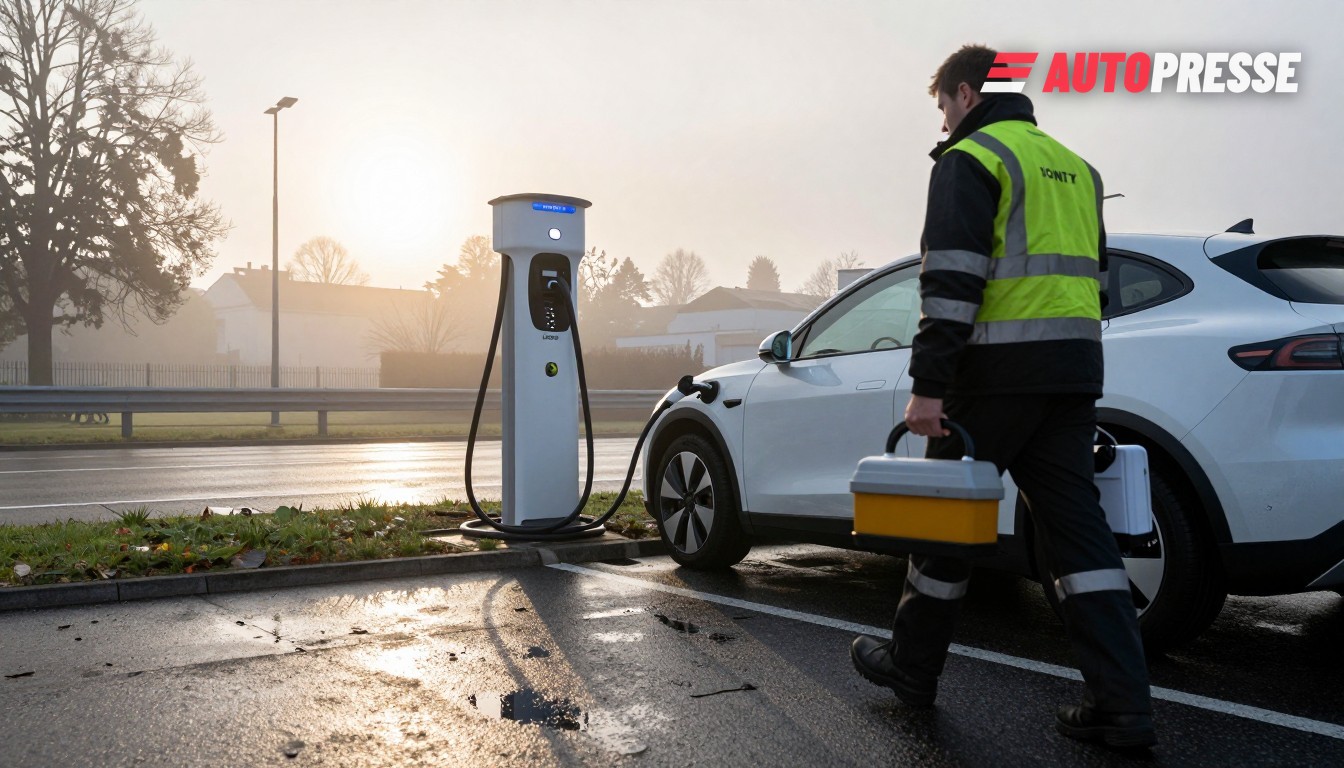
The map of electric mobility in Germany and Austria is changing fast: Germany has added tens of thousands of public charging points and is rolling out high‑power hubs, while Austria’s smaller fleet now enjoys a much denser public network. That shifts the on‑road experience for drivers, the site economics for operators and the investment priorities of carmakers and energy companies across both countries.
High‑power capacity climbs — but local gaps persist
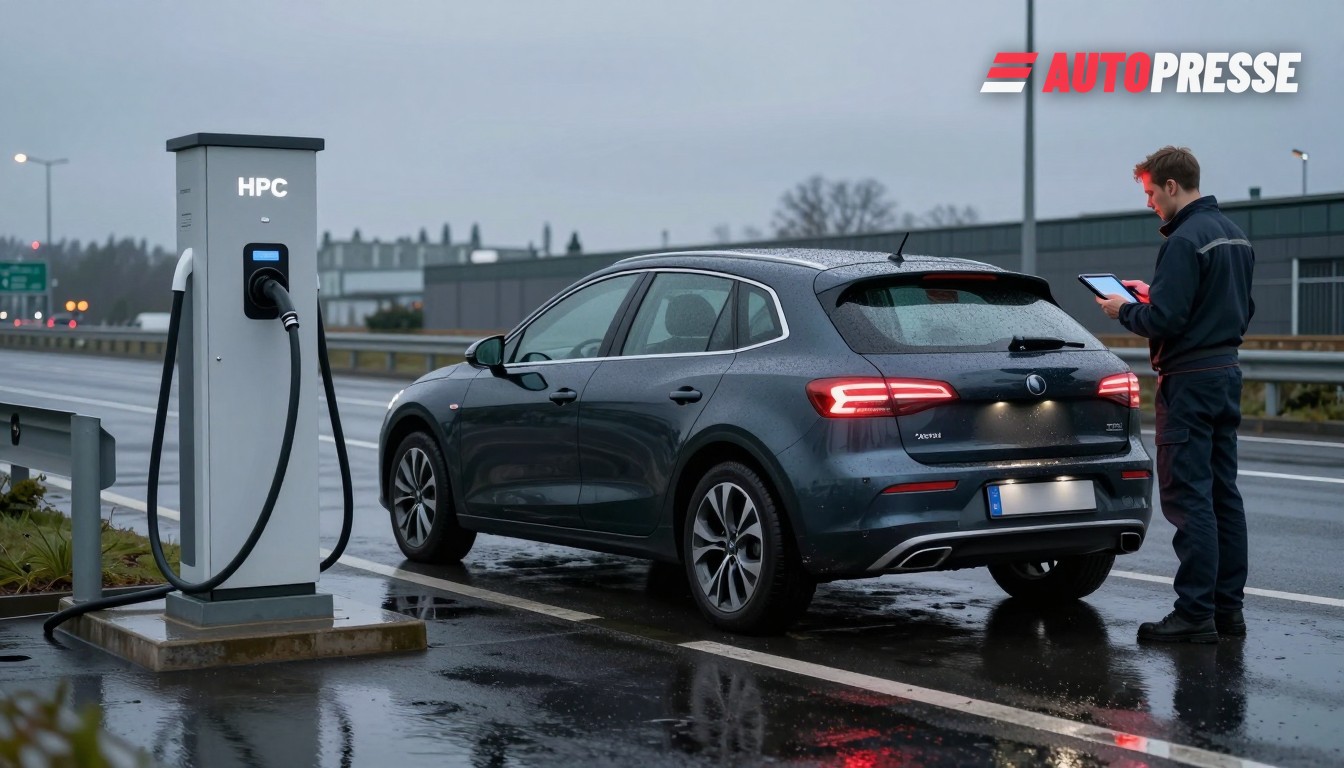
Germany’s automotive lobby, the VDA, reports that as of July 1, 2026 there were 211,025 publicly accessible charging points in Germany including 55,011 fast‑charging points, and 3,591,910 registered electric passenger cars — an average of 17.0 EVs per public charging point. The VDA notes 14,234 new fast chargers were added in the year to July 1 and that high‑performance chargers (>149 kW) now number 40,320. Yet around 30% of municipalities with 500+ inhabitants still have no public charging points and 61% have no public fast chargers, underscoring a pronounced regional imbalance. VDA president Hildegard Müller says the growth is promising but warns that “there are still too many gaps on the map.”
Operators are also installing megawatt‑class equipment: the fast‑charging JV IONITY opened a Karlsruhe hub in September 2026 with twelve points (many using Alpitronic HYC1000 technology) able to deliver up to 400–600 kW per connector under suitable conditions — part of IONITY’s push to fit high‑traffic routes with much higher peak power. That expansion is raising practical questions about siting, grid connections and how multi‑vehicle demand will be shared at each hub.
Austria: fewer EVs per charger, dense HPC rollout
Austria’s federal ministry reports a much smaller but faster‑maturing market: at the end of July 2026 the estimated BEV stock was 304,328 electric cars and Austria had roughly 39,500 public charging points (the ministry expected the 40,000 mark to be reached soon). That yields about 7.7 BEVs per public charging point — significantly denser than Germany’s national average — and mobility minister Peter Hanke declared that “300,000 electric cars demonstrate: E‑mobility has arrived in Austria.” The minister and the eMOVE Austria programme are prioritising additional fast‑charging capacity on motorways and better public information.
Independent monitoring for Austria shows a lively operator market and active price spreads: ChargeInsights’ dataset (October 2026 snapshot) records hundreds of operators, thousands of HPC points and a top‑10 list led by eCarUp, ENIO and EVN — with average ad‑hoc DC prices broadly competitive but regional variation remaining. That data illustrate how Austria’s comparatively compact geography and concentrated operator footprint are producing different utilisation and pricing dynamics than Germany’s larger and more fragmented map.
What this means for the market
Drivers: In Austria many EV owners now enjoy shorter waits and more accessible HPC options; in Germany drivers should expect growing availability on main routes but still face patchy access in many towns and rural areas. Fleets and dealers: fast‑charging density in Austria favours home‑base and route planning, while German fleets will prioritise depot charging and selective fast‑charging corridors. Operators and energy companies: grid upgrades and planning permissions are now the binding constraint in Germany; megawatt chargers demand new substation and tariff approaches. Manufacturers and suppliers: carmakers must map regional charging realities into range, charging rate and service offers for buyers in each market. All stakeholders should plan to use official Ladesäulenregister and national NAP data when modelling local demand, since national counts and definitions differ.
Electric vehicle listings on WorldTrader24 →
Sources: VDA, BMIMI (eMOVE Austria), Electrive (IONITY report), ChargeInsights.