Germany’s car industry is showing fresh signs of life but still juggling supply and skills tensions that matter to drivers, dealers and factory workforces in both Germany and Austria. Industrial output in Germany rose in September and BMW has opened a landmark battery plant — gains shadowed by short-term parts shortages and a mixed picture for Austrian suppliers and test houses.
Production and plants: a cautious upswing
Germany’s industrial production registered a rebound in September 2026, driven largely by the automotive sector: seasonally adjusted production rose 0.7% compared with August, a recovery the Federal Statistical Office highlighted in its November release.
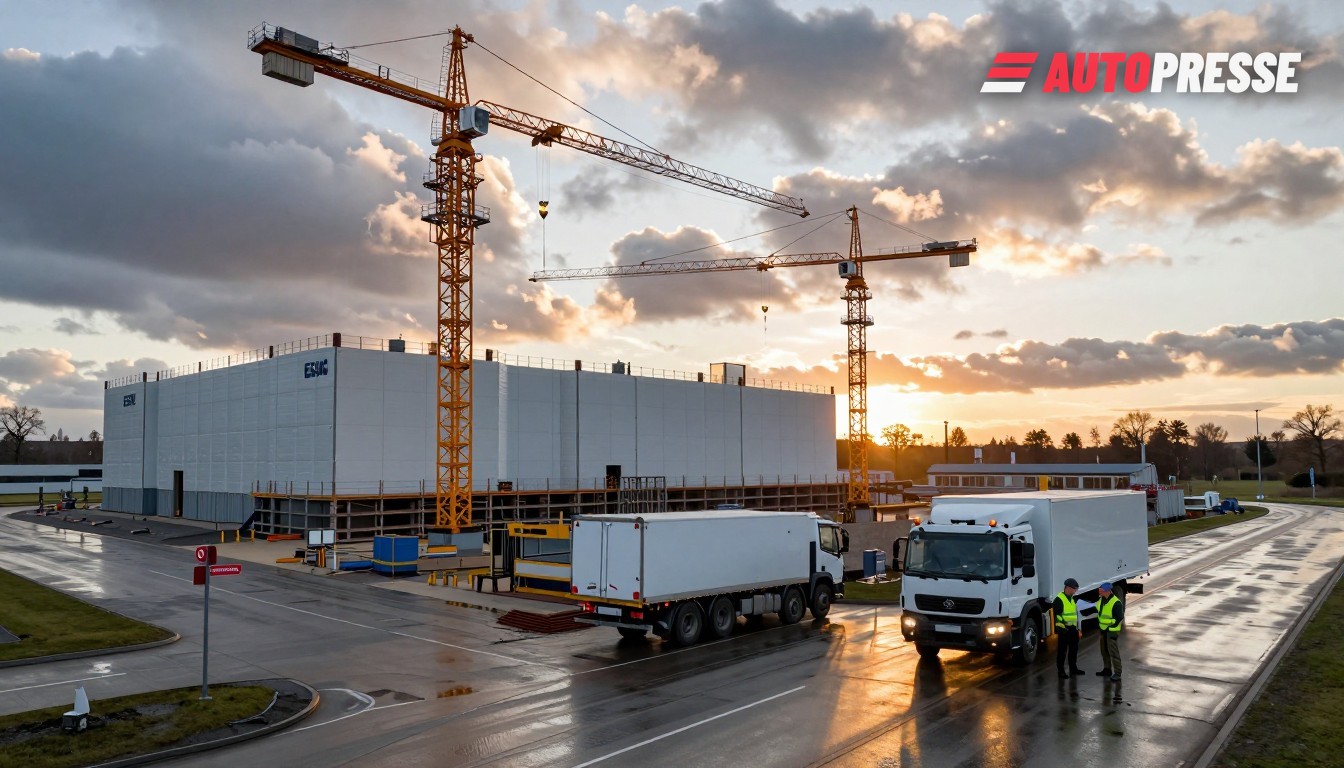
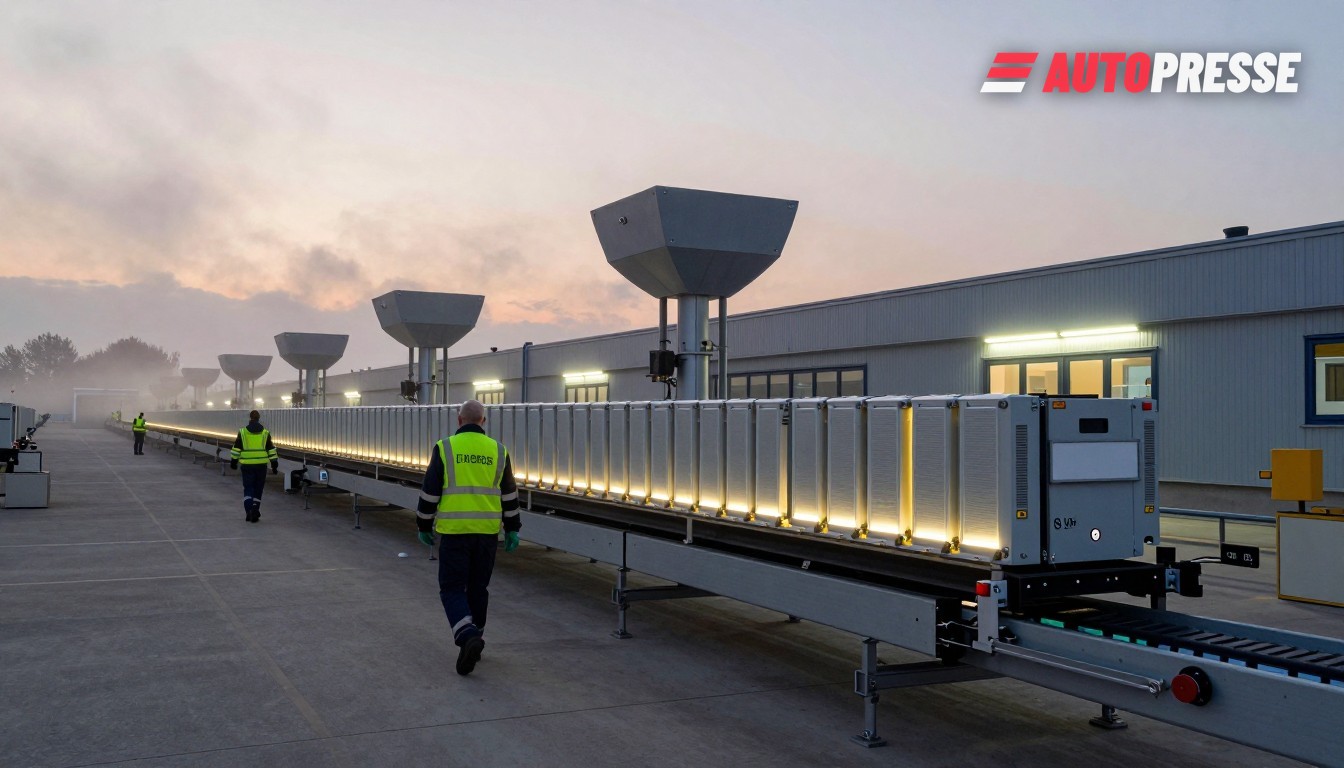
That momentum is tangible at BMW: on 1 October 2026 the BMW Group officially opened its new Irlbach‑Straßkirchen plant for sixth‑generation high‑voltage batteries — a roughly €1bn investment BMW described as "a strong signal for Germany as a business location". Raymond Wittmann, BMW board member responsible for production, called the site "the central platform" to supply German vehicle plants with the next‑generation batteries.
Workforce and supply stress across the border
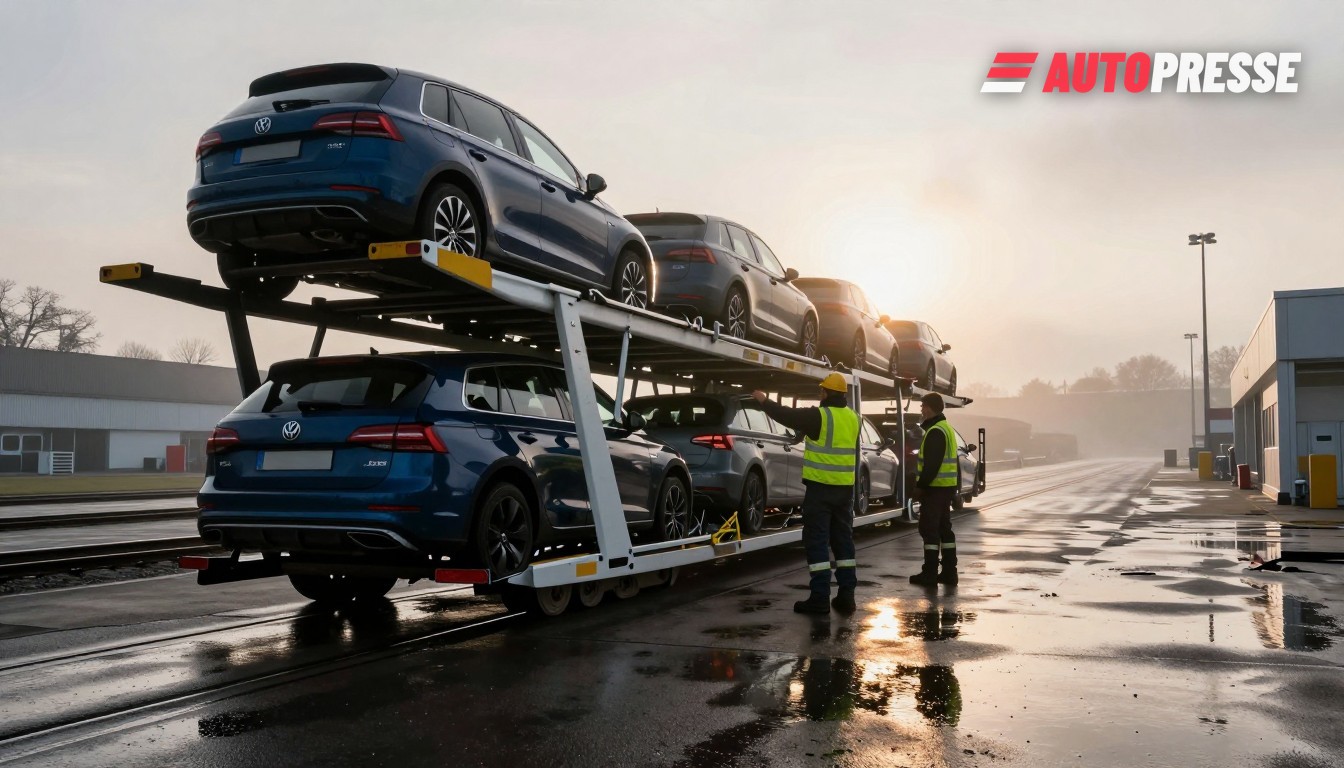
But the recovery is far from smooth. Supply‑chain disruptions forced BMW to adjust shift patterns at three plants in early November 2026, a company spokesperson confirmed, underscoring how component availability still constrains output even as domestic capacity is expanded.
Austria’s manufacturing picture is more mixed: Statistik Austria reports industrial production in Austria was up 0.6% year‑on‑year in September 2026, yet local engineering houses have seen churn. AVL’s Graz site — which underwent sizeable cuts earlier in 2026 — has quietly reposted vacancies in November, a sign that testing and services capacity is rebalancing but also that firms face a tug‑of‑war for experienced engineers.
What this means for the market
For manufacturers, the short term will be about squeezing production through a bottleneck of components and qualified staff even as new German capacity for EV batteries comes online. BMW’s battery plant shows large OEMs are committing to localised battery supply — a structural positive for Germany — but the impact depends on steady parts flows and skilled technicians at suppliers and test houses in Austria and Bavaria.
For dealers and buyers, intermittent production and shift changes mean some model availability will remain uneven into 2027; for suppliers and service firms in Austria, the current phase is a hiring opportunity but also a test of how quickly retrenched teams can be reassembled at scale. The German economy ministry’s recent overview of November 2026 signalled an improving industrial mood but cautioned that recovery will rely on these operational fixes.
Electric vehicle listings on WorldTrader24 →
Sources: BMW Group, Destatis, Reuters, Statistik Austria, AVL