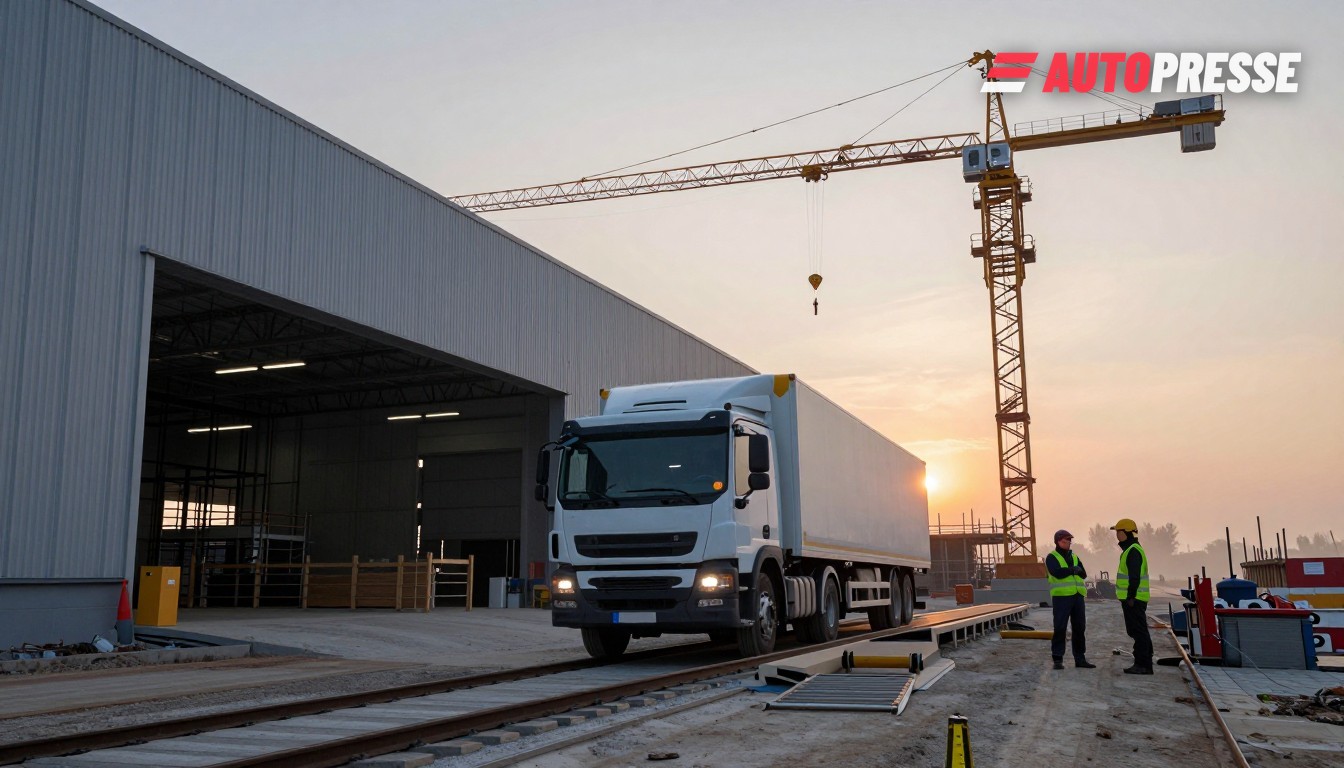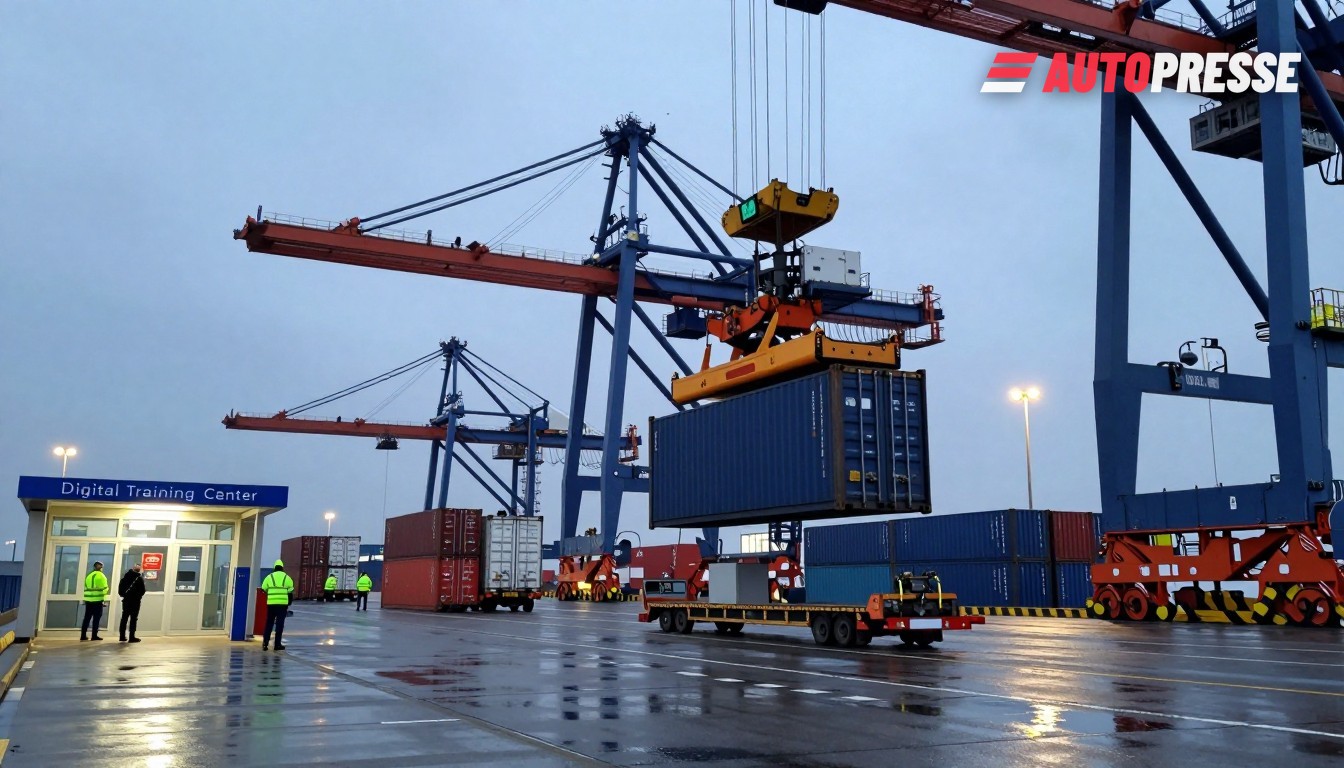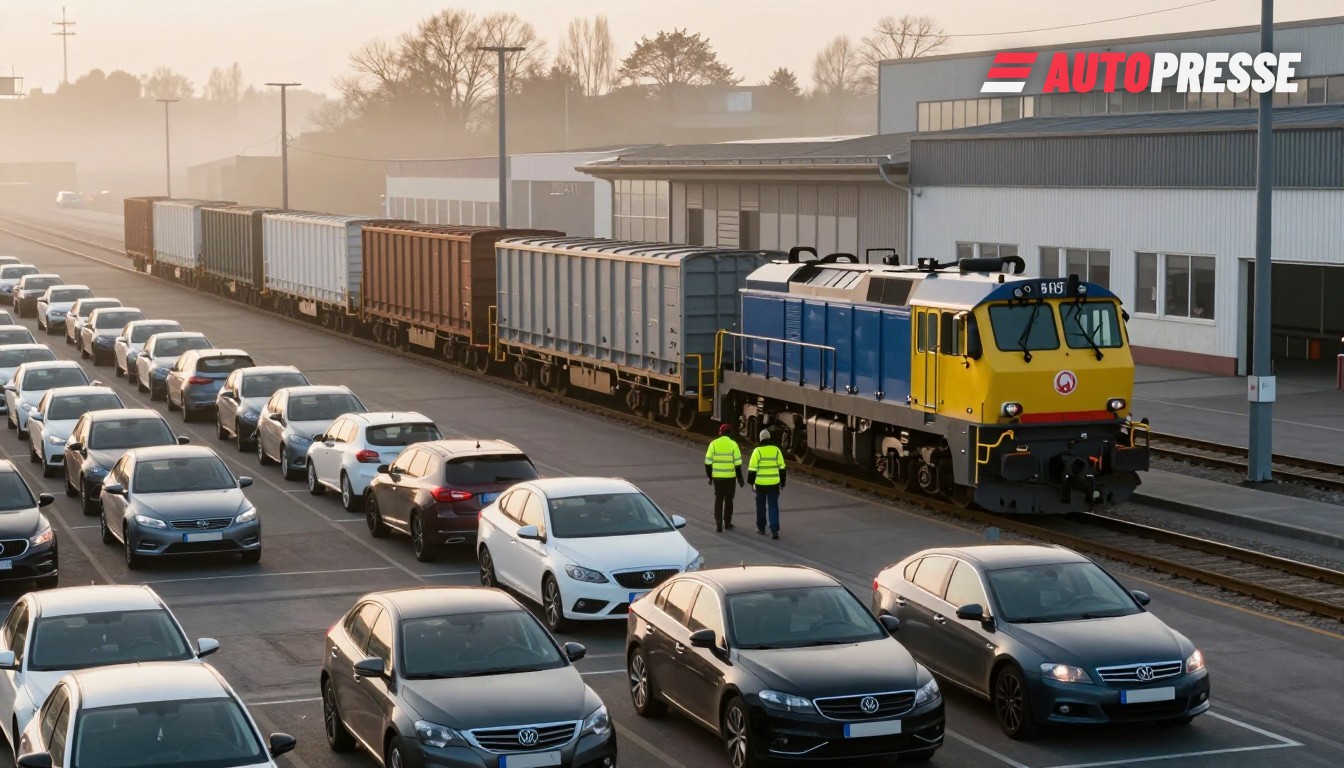
Germany and Austria sit at the frontline of a fast‑moving logistics reset: Brussels has begun to replace paper with a single digital customs architecture, while major Alpine rail works and a new wave of urban micro‑hubs are changing how carmakers, suppliers and parts logistics plan capacity and buffer stock. For dealers, workshops and transport planners this means fewer border surprises but a long period of parallel systems, software projects and shifted modal economics.
Digital customs: one code, one hub, many deadlines
On 20 September 2026 the EU’s new Union Customs Code entered into force; most of its provisions become effective on 21 September 2027, and the law creates an EU Customs Data Hub that will progressively replace national systems (full mandatory use of the Hub is phased in through to 1 March 2034). The Regulation also tightens rules for distance sales and trusted‑trader statuses, and aims to move declarations from forms to data flows.
Technical building blocks are arriving in parallel. The Commission rolled out NCTS Phase 6 on 26 October 2026: that upgrade lets traders lodge a single transit declaration that can include pre‑arrival safety and security data in line with ICS2, or use an opt‑out where ENS is sent directly to ICS2 — choices which national customs will decide. The EU says Phase 6 shortens clearance times and reduces error‑rates, a direct benefit for time‑sensitive automotive parts shipments.
Austria has already centralised many formal decisions onto the EU Customs Decisions System (CDS): since 18 May 2026 twenty‑four international UCC decision types (from simplified declarations to bond and warehousing approvals) must be filed through CDS rather than Austria’s old Portal‑Zoll, a change that logistics teams moving parts across the border must have implemented.
Paperless freight and micro‑hubs: shorter yards, tighter data
The EU’s electronic Freight Transport Information (eFTI) regime will apply in full on 9 July 2027, requiring authorities to accept certified electronic freight records and promising around €1 billion a year in sector savings from reduced paperwork and better planning. eFTI platforms allow selective data sharing with authorities and partners, a feature carmakers and tier suppliers can use to automate cross‑border visibility and just‑in‑time deliveries.
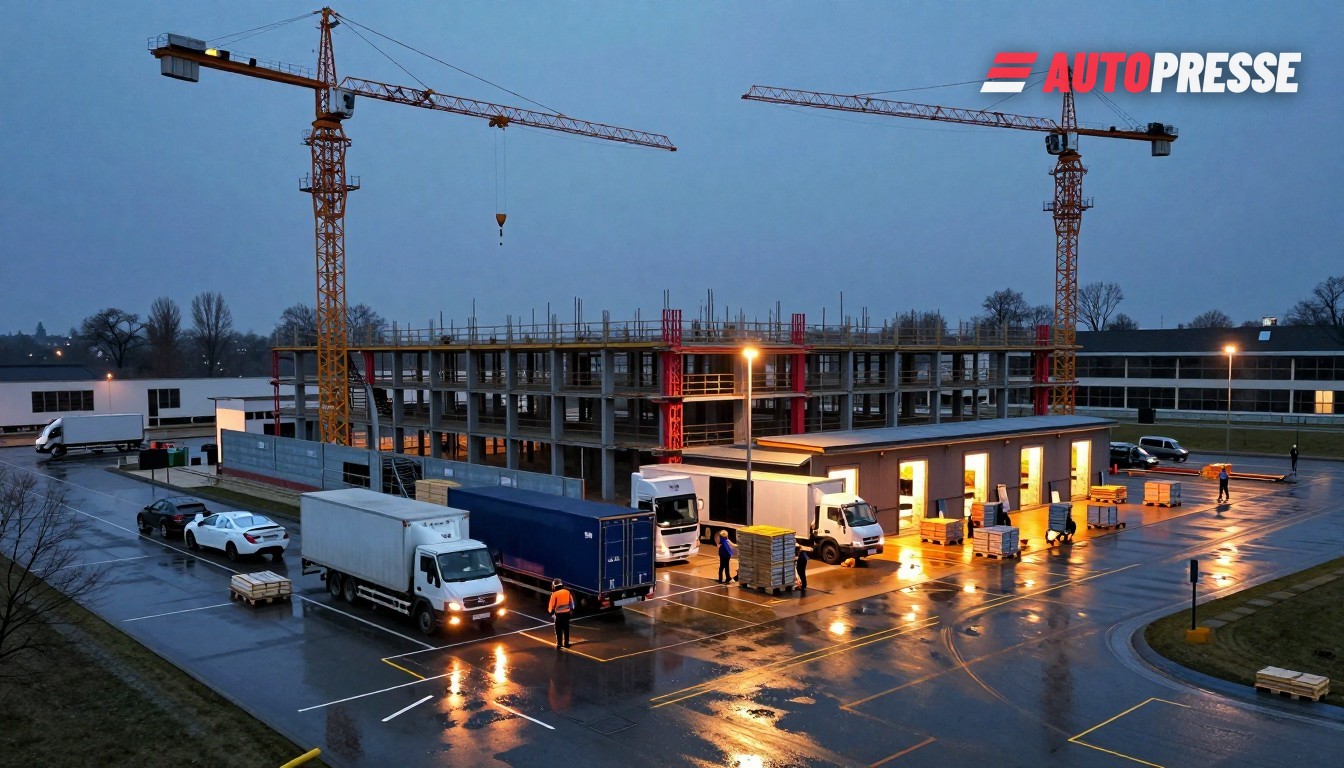
At the same time, German cities and logistics developers are accelerating urban consolidation. Mileway broke ground on an 11,300 m² last‑mile logistics scheme at Holzhauser Markt in Berlin‑Reinickendorf in late September 2026; the project includes EV charging and rooftop PV and is typical of the new, 24/7 urban yards that reduce inner‑city truck runs and house night‑time sorting for local dealers and parts depots. Pilot micro‑hub projects across Europe are likewise proving the concept of cargo‑bike and consolidation operator models for the last mile.
Alpine rail: construction milestones, but long waits
Rail capacity for north‑south automotive flows is changing — but slowly. Austria’s Semmering Base Tunnel is in the technical fit‑out phase with commissioning scheduled at the end of 2029; ÖBB says the project will bolster the Baltic–Adriatic corridor and create large construction‑phase employment.
The Brenner Base Tunnel also passed an important construction milestone in 2026 when both main tubes were broken through at the Austria–Italy border (breakthrough reported 28 July 2026). Estimates for when commercial freight services will start still vary: industry reporting has pointed to a 2032 commissioning in some plans, while the project company later revised timelines and budgets and announced testing and approvals could stretch commissioning toward 2034. That divergence underlines the remaining uncertainty about when the new low‑gradient Alpine route will materially relieve road pressure.
What this means for the market
Short term (next 12–24 months): logistics teams must run parallel systems — national portals and the new CDS/Hub interfaces — and certify eFTI platform integrations before the 2027‑2029 e‑deadlines. That will favour freight forwarders and software providers that offer pre‑integrated eFTI/CDS/NCTS‑6 toolchains, and it raises the cost of non‑compliance for smaller suppliers unless they outsource customs management.
Medium term (3–7 years): the Semmering and, later, the Brenner improvements will shift the economics of longer intermodal flows — enabling heavier, longer trains and lowering road mileage for parts moving between northern German plants and Italian/Adriatic ports — but the benefits depend on approach‑route investments, terminal slots and timetable harmonisation. Until commissioning is certain, many shippers will keep mixed strategies: more rail where it already works, larger safety stocks where it does not.
For dealers, workshops and OEM logistics managers the takeaway is simple: invest now in data and platform readiness (eFTI certification, EU‑Login/UUM&DS access, and NCTS/ICS2 capable EDI) and plan for a gradual modal rebalancing that will reward suppliers with digital visibility and flexible distribution footprints.
WorldTrader24 B2B vehicle marketplace for traders →
Sources: European Parliament legislative observatory, European Commission (Taxation & Customs; Mobility & Transport), ÖBB‑Infrastruktur, Freight‑Academy, Mileway