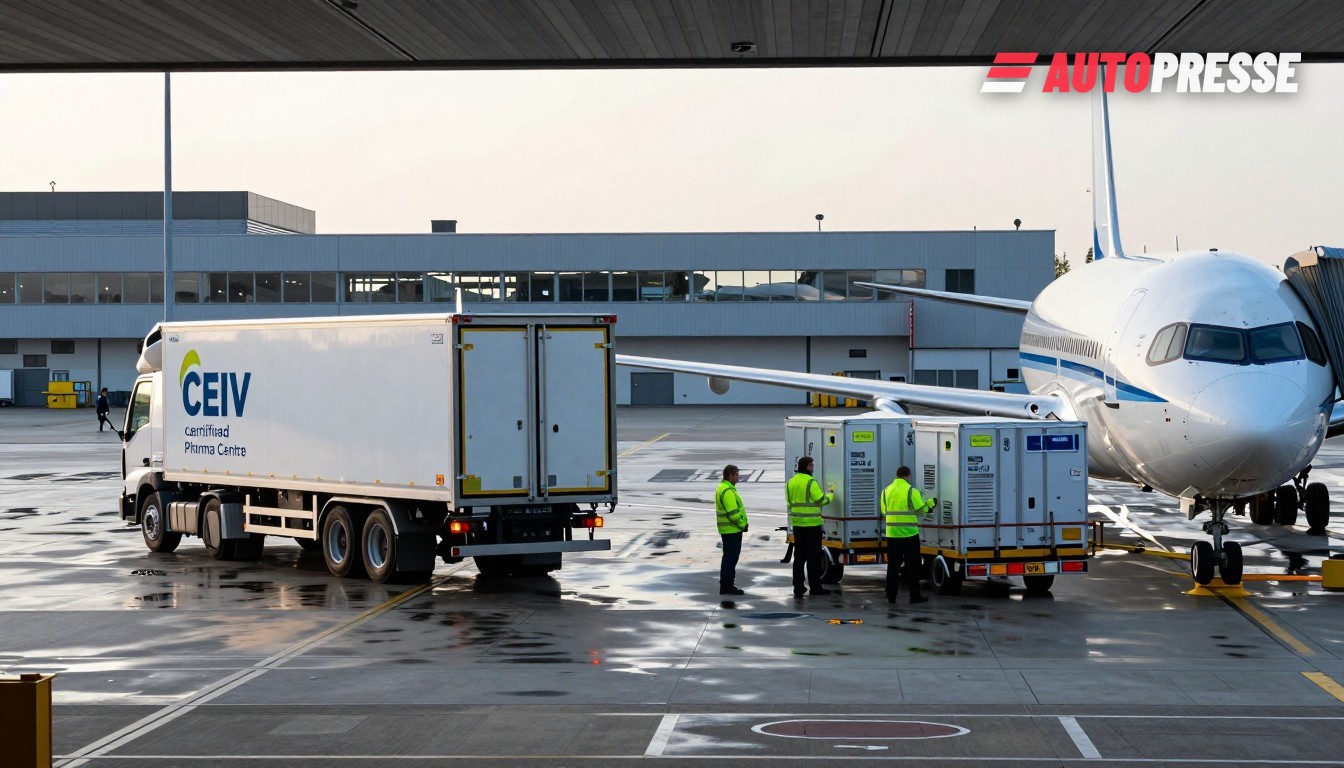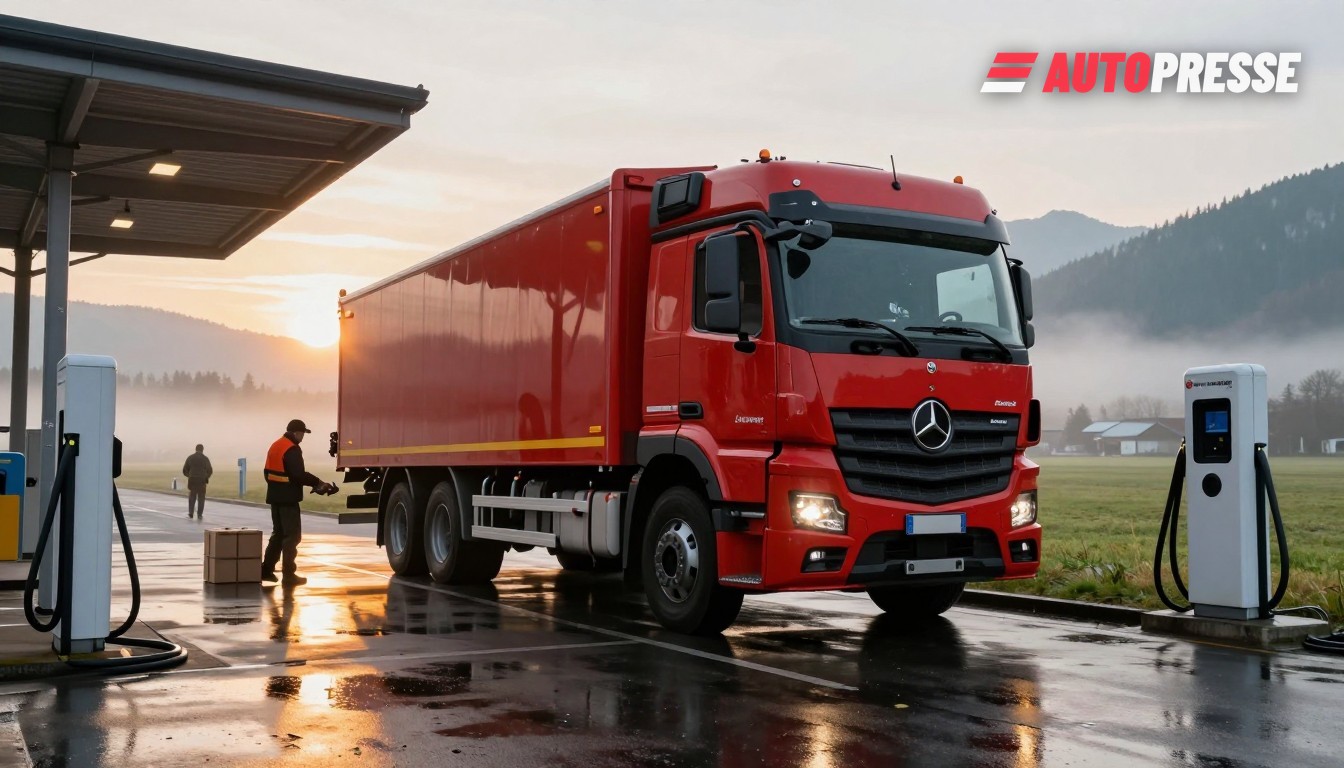
Germany and Austria’s freight network is being pulled in two directions: fresh public investment to secure port and terminal capacity, and a near‑term rise in rail access costs that will alter routing and commercial terms for carmakers, suppliers and forwarders.
Money into ports and regional hubs
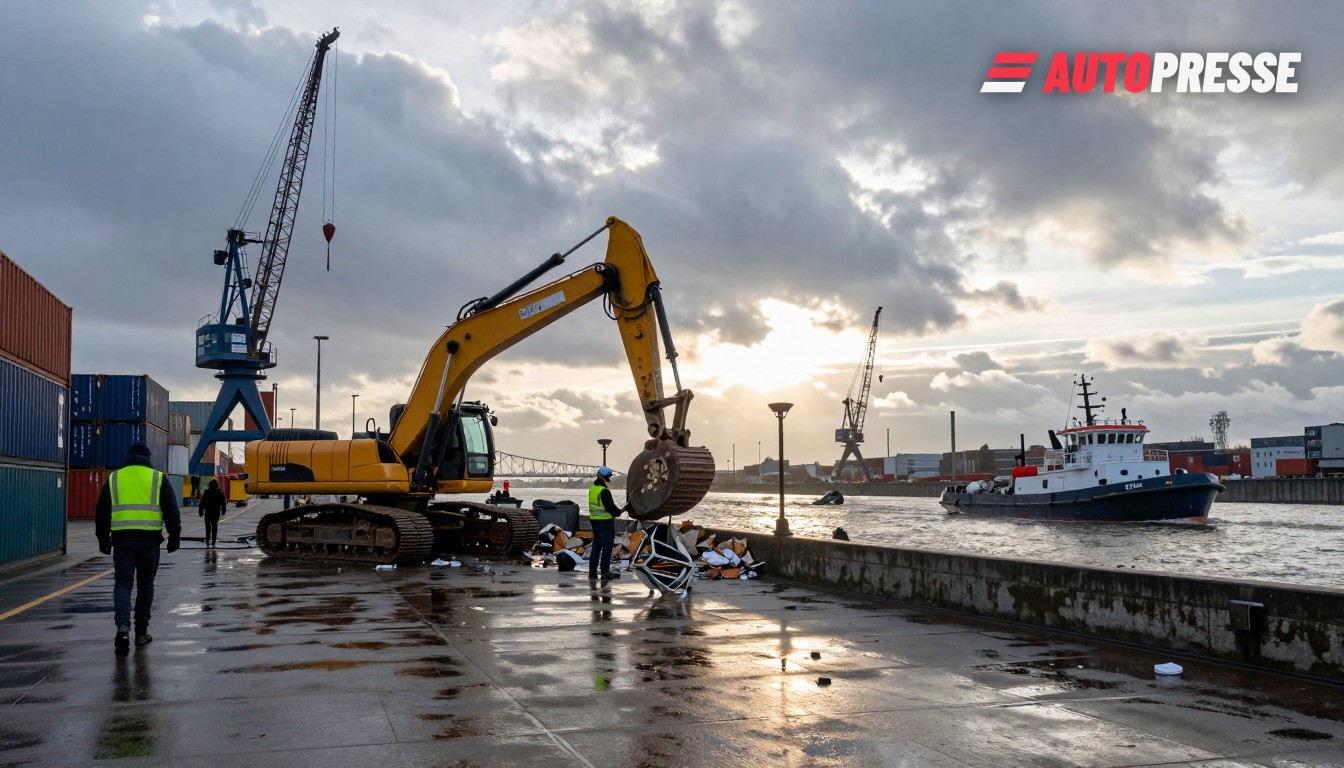
On 16 November 2026 the Port of Hamburg confirmed the European Commission approved public grants totalling €286 million for replacement quay walls at Salzgitterkai and Steinwerder Kai — each quay to receive €143 million from the city — a move described by Hamburg’s economic senator as securing long‑term port use and jobs.
Smaller ports are also gaining federal support: the Port of Kiel held a groundbreaking ceremony on 28 October 2026 for an expansion of Ostuferhafen, a €37 million project with approximately €27 million earmarked from Germany’s federal infrastructure special fund (SVIK). The port expects the area to be operational by 2029.
Cross‑border terminal capacity is shifting too. Contargo took a 50% stake in Cargo‑Center‑Graz (effective 1 January 2026), linking Graz more tightly to the Northern Adriatic corridor and planning direct rail links into the Frankfurt‑Wörth area to serve Austrian and southern German industry. Those moves expand alternative gateways for parts and finished cars.
Costs rise on rail — consolidation follows
At the same time rail freight faces a cost shock: regulators and industry filings show DB InfraGO’s 2027 charging application points to an average 12.9% rise in freight track‑access charges, with the Bundesnetzagentur signing off measures that will take effect with the December 2026 timetable change. Industry bodies warn the increase, combined with a smaller federal maintenance subsidy, will amplify the effective cost for many services.
Market consolidation and M&A are already reshaping the provider landscape. On 30 October 2026 L.I.T. signed an agreement to acquire the Duvenbeck Group (notification filed with competition authorities on 2 November 2026), a deal that extends L.I.T.’s automotive‑logistics reach across Europe and folds Duvenbeck’s 50+ sites and specialist automotive services into a larger network. The transaction remains subject to closing conditions.
What this means for the market
Dealers, OEM logistics managers and suppliers should expect three immediate effects. First, investment in port and terminal capacity (Hamburg, Kiel, Graz) will relieve long‑run capacity bottlenecks and open alternative routings — useful for time‑sensitive parts and imports from Adriatic gateways.
Second, the 12.9% uplift in freight access charges for 2027 (and signal of further increases in 2028) raises per‑train costs that may be passed to shippers, reroute marginal trains onto road, or accelerate service pruning on less profitable flows; companies must reprice contracts and test alternative corridors now.
Third, consolidation—illustrated by L.I.T.’s Duvenbeck deal—will concentrate capacity and technology (cross‑dock, just‑in‑time warehousing, multimodal scheduling) in fewer providers; that can bring scale and better node integration, but also reduce tender leverage for some fleet operators.
Operationally, logistics planners in Germany and Austria should update cost models now (include anticipated track‑access changes from the December timetable), re‑evaluate Adriatic and Baltic gateway options, and engage providers early to secure train paths or alternative road capacity ahead of winter 2026/27.
B2B vehicle marketplace for dealers on WorldTrader24 →
Sources: Port of Hamburg, Port of Kiel, Contargo/AdriaPorts, railreg.de, The Port Journal, L.I.T. / Duvenbeck