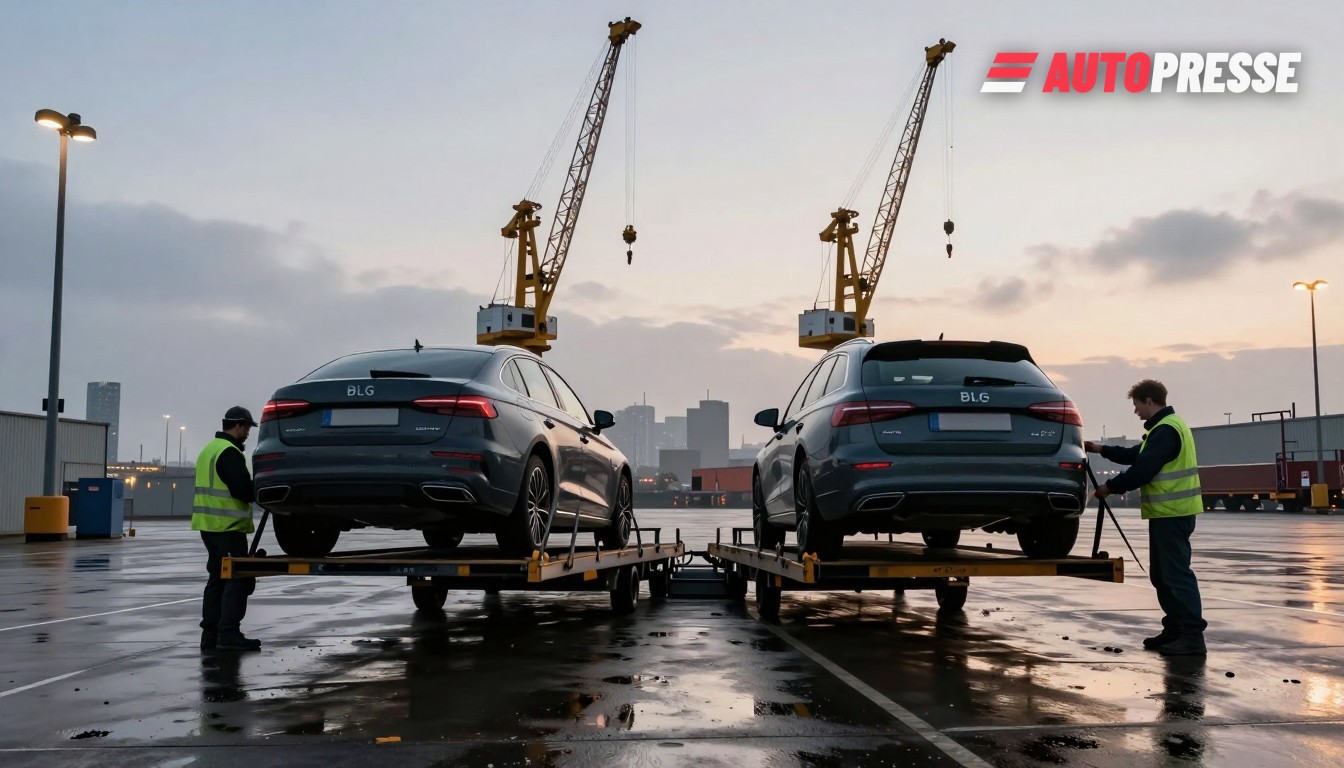
Germany and Austria are seeing a low‑key but material upgrade to the backbones that move cars: port terminal modernisation in Hamburg and new cross‑border locomotives that remove time‑consuming locomotive changes. For drivers, dealers and manufacturers this means shorter handovers and more capacity for the EV and import surge — for terminal staff and rail crews it spells new workflows and new skills.
Port upgrade: BLG’s €25m multifunctional hall
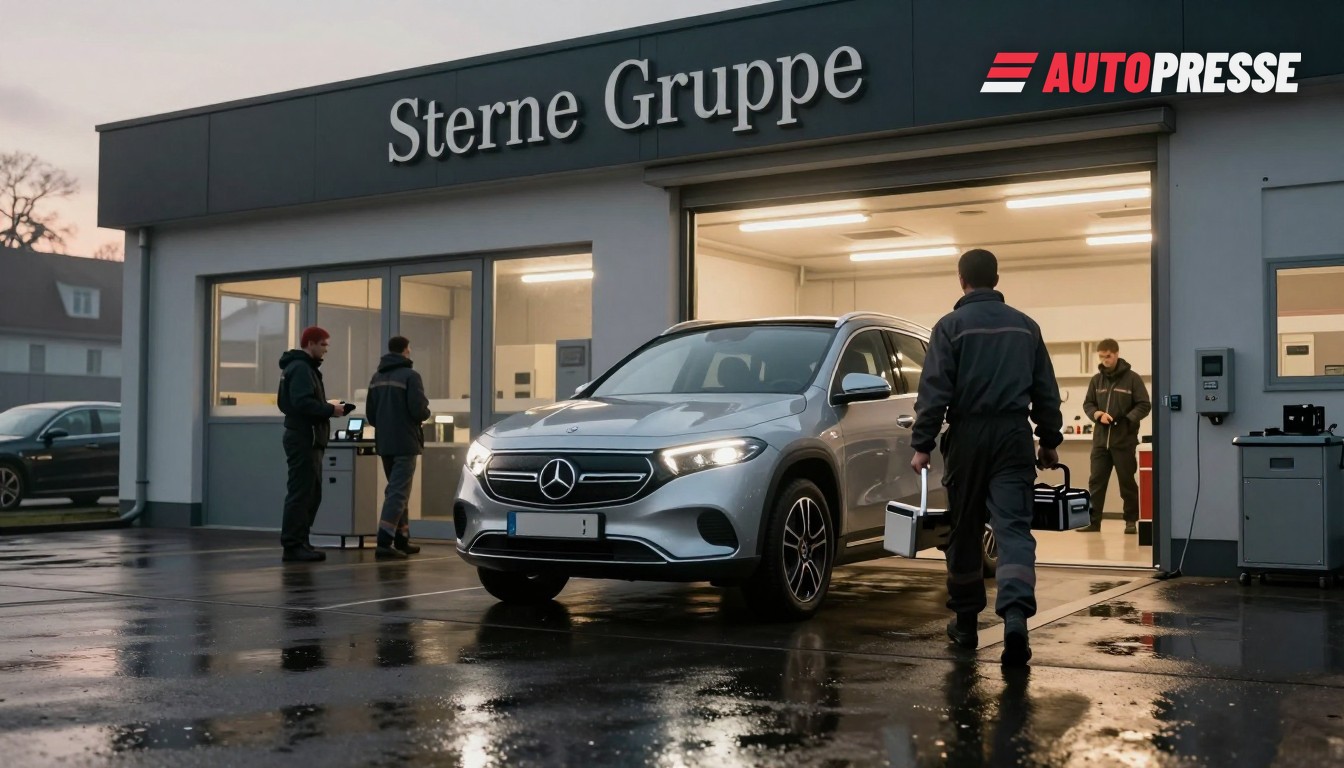
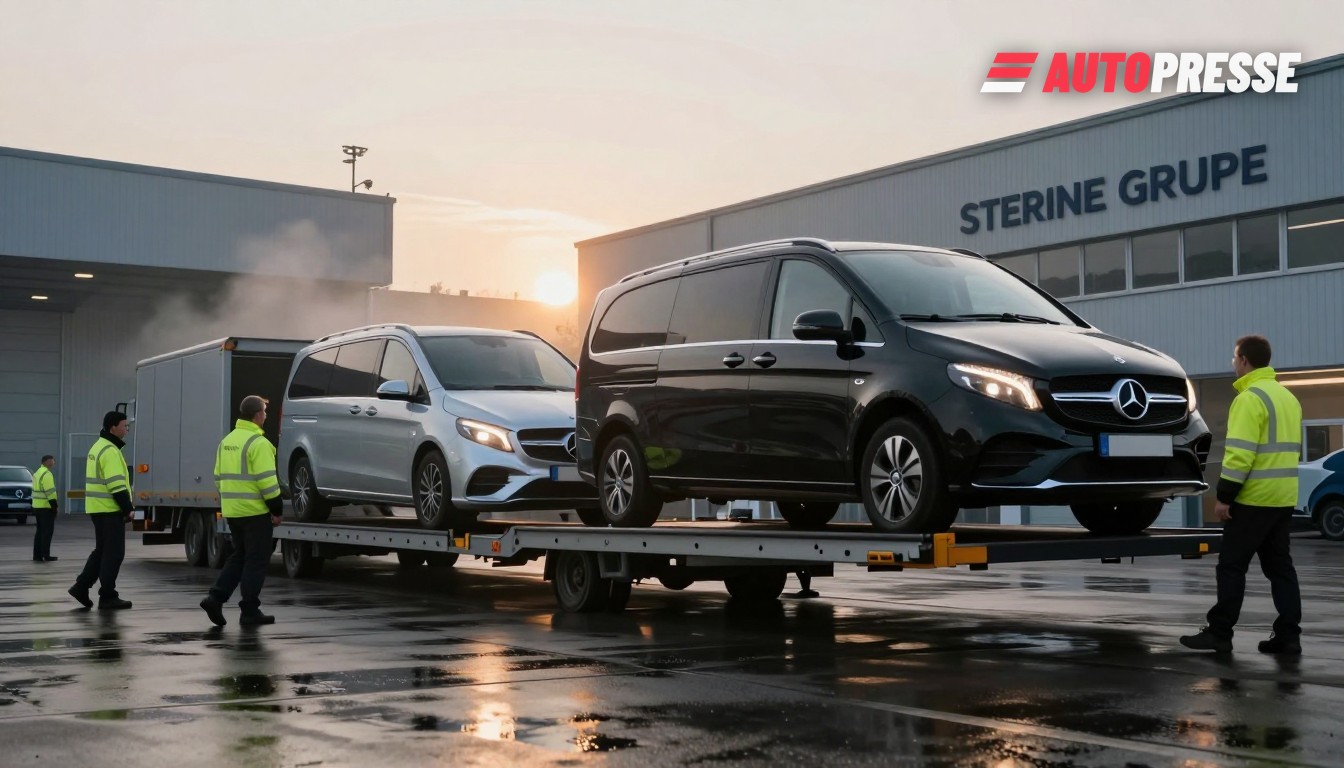
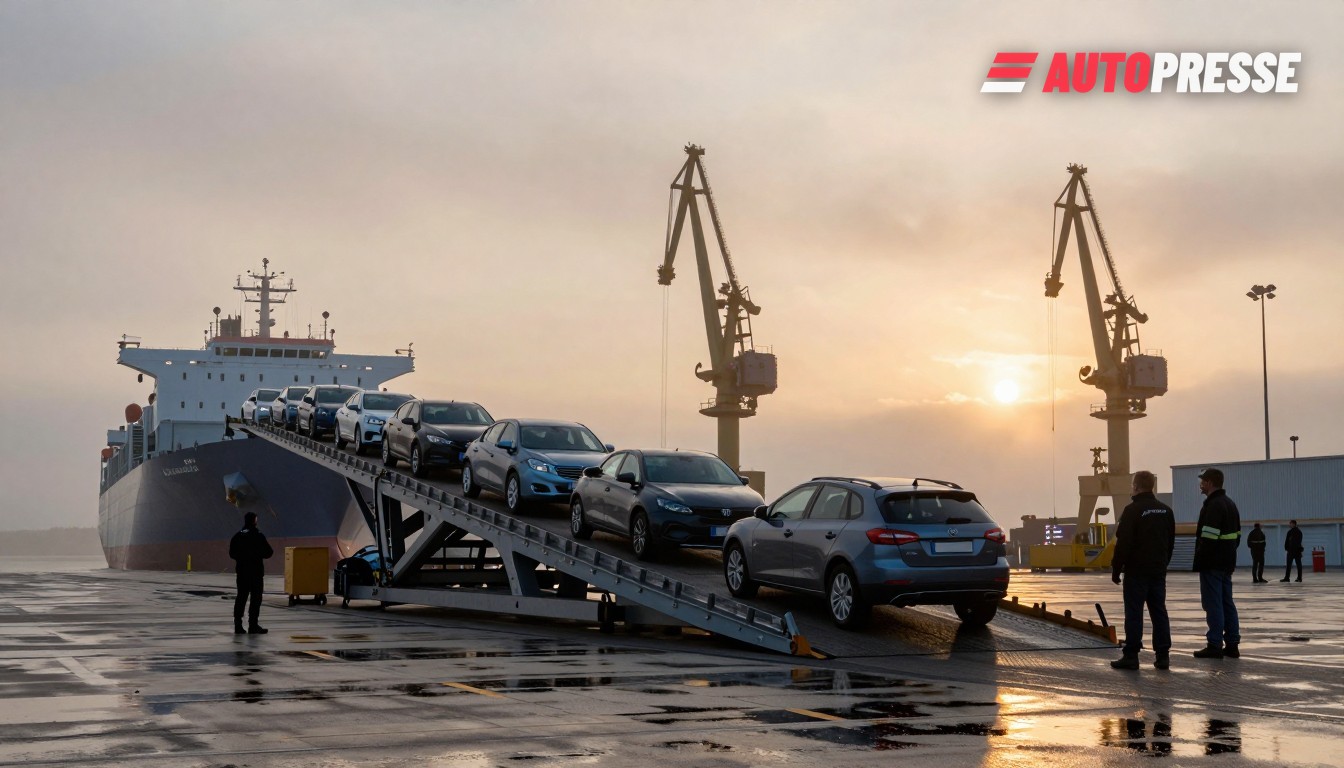
BLG Logistics launched a major expansion at its AutoTerminal in the Port of Hamburg in mid‑September 2026, laying the foundation on 17 September for a new multifunctional hall and related infrastructure. The company says it is investing around €25 million to merge existing halls into a single 10,300 m² facility that optimises space by roughly 35% and provides a central logistics area of about 4,500 m². The project includes a planned photovoltaic roof (≈749 kWp), a 1,900 m² green roof and infrastructure for charging electric trucks; BLG aims for DGNB 2023 Gold certification. BLG handled around 130,000 vehicles in 2025 at Hamburg and currently processes those flows with some 290 employees — figures the company cites to underline the terminal’s strategic role. ”With the investments in this location…we are setting a mark for the future of the Port of Hamburg,” BLG CEO Matthias Magnor said at the ceremony.
Rail: single‑locomotive cross‑border freight
Rail capacity and reliability are improving too. Captrain Deutschland has leased multi‑system Alstom Traxx Universal locomotives from RAILPOOL that are licensed to run without change across Germany, France, Belgium, Luxembourg, Austria and Poland. The lease took effect on 1 April 2026; one of the two locomotives also carries a ‘last‑mile’ diesel engine to serve non‑electrified sidings directly. The move removes locomotive handovers on long corridors and speeds door‑to‑door rail shipments — a direct efficiency gain for exporters and importers moving vehicles and parts across the German‑Austrian axis. Captrain says the measure increases reliability and makes rail more competitive versus road on cross‑border routes.
What this means for the market
Taken together, the port and rail steps are practical, capacity‑adding measures rather than headline‑grabbing megaprojects — but they matter. BLG’s hall consolidates vehicle preparation, washes, paint and technical services under one roof, shortening internal transport distances and offering on‑site charging for electric trucks; that reduces terminal dwell time for finished cars and cut‑over costs for dealers and fleet operators. The Captrain/RAILPOOL locomotives cut a common friction point in European freight: the need to swap engines at borders. That lowers transit time variability and labour demands for shunting, which can reduce late deliveries and build resilience into supply chains strained by schedule volatility.
There are limits. Night‑train vehicle transport exists in Austria (ÖBB Nightjet allows cars on some Austrian routes) but is not a substitute for commercial Ro‑Ro or autorack services in Germany; passenger night‑train car options remain a niche travel service rather than a logistics channel for dealers. Still, Austria’s rail flexibility underlines how differing national rules and services shape cross‑border options.
For dealers and OEM logistics teams the practical takeaway is to revise routing and lead‑time assumptions: terminals that add EV charging and consolidated workshops shrink just‑in‑time risk for vehicles needing last‑mile installs or quality checks, while fewer locomotive handovers make rail a more predictable alternative to road for long corridor shipments between Germany and Austria. For terminal operators and rail firms the trade‑off will be investment in multi‑skill staff and maintenance capacity to run greener, electrified and cross‑border equipment efficiently.
WorldTrader24 B2B-Fahrzeugmarkt für Händler →
Sources: LOGISTIK HEUTE, RAILPOOL/Captrain, ÖBB Nightjet