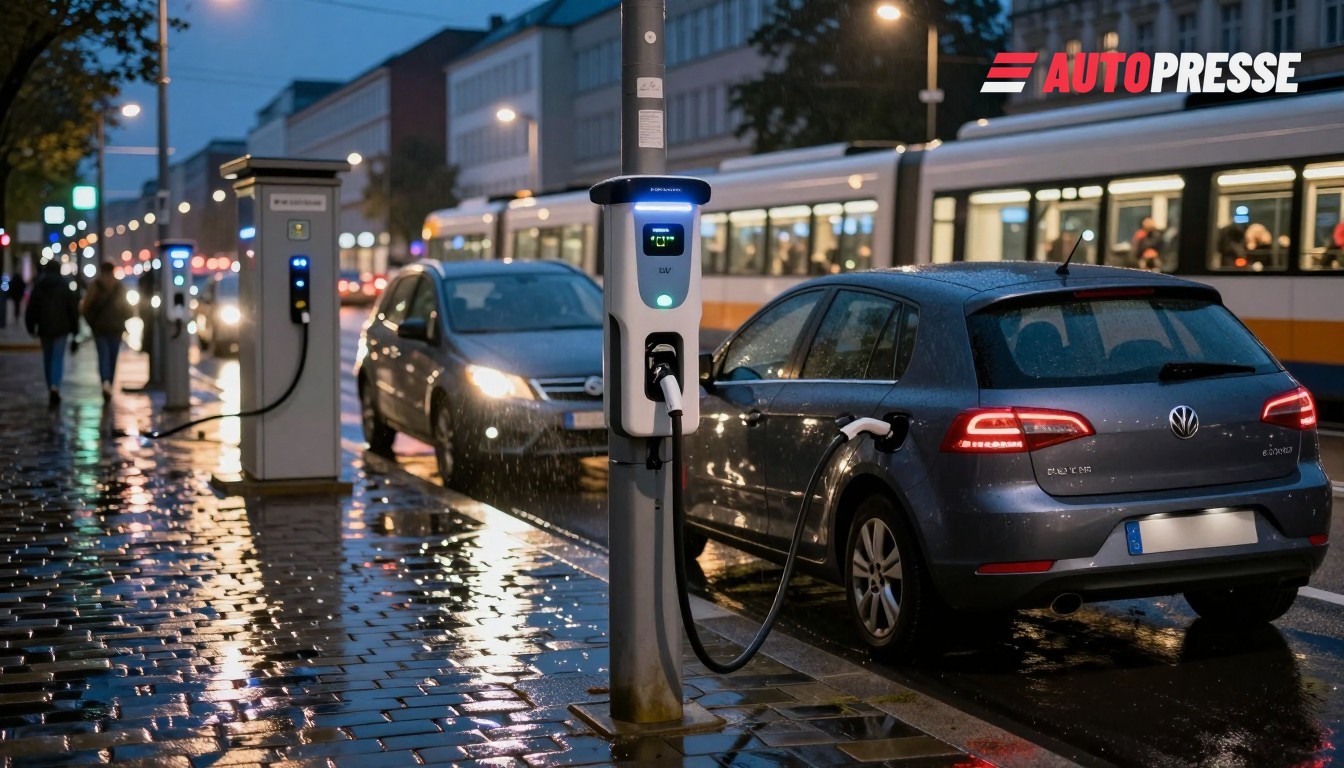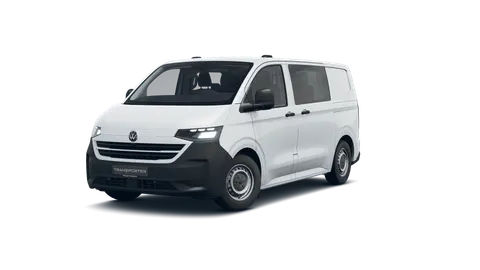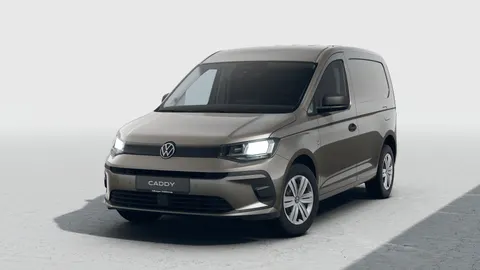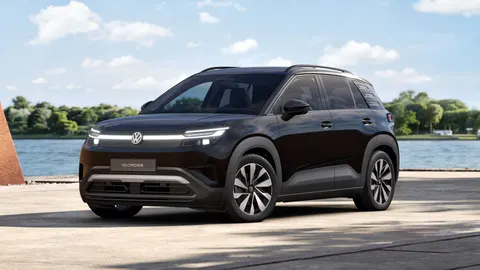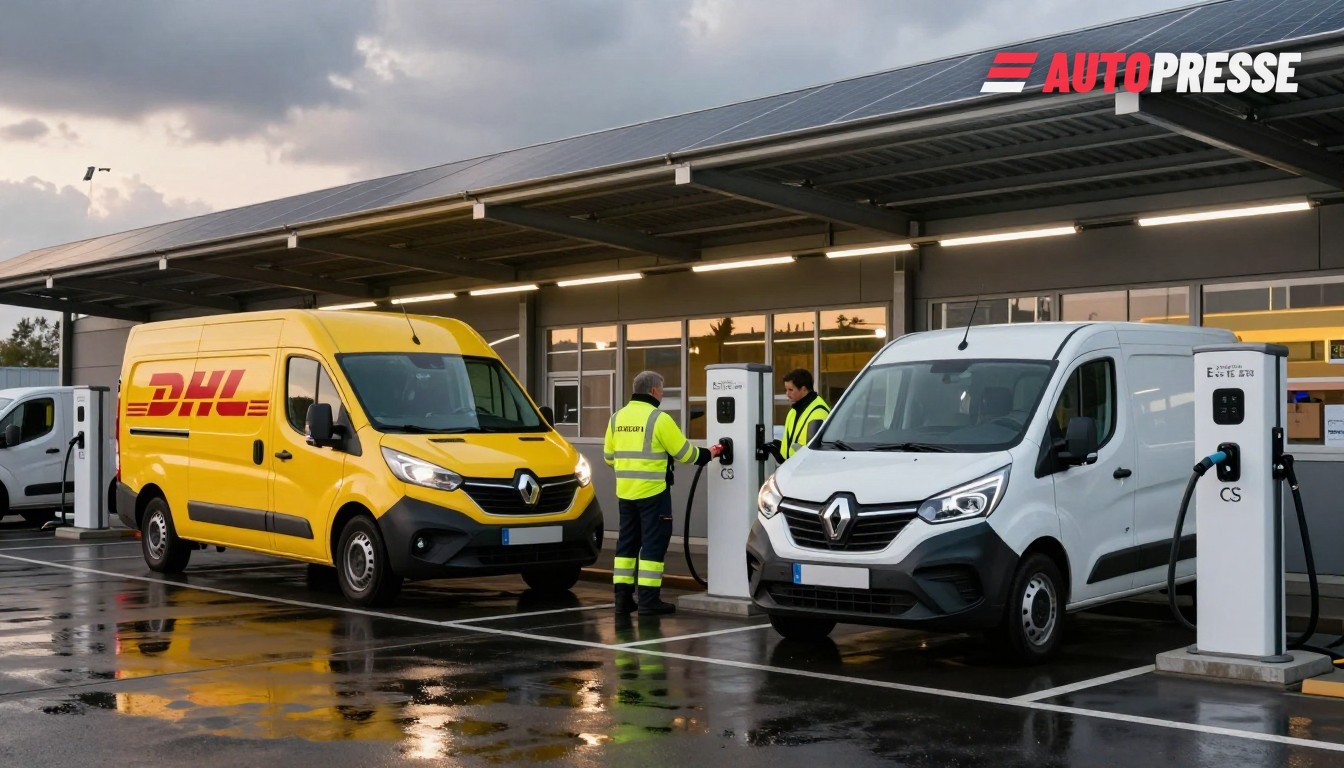
Germany and Austria are no longer testing electric last‑mile fleets — operators are scaling them. Deutsche Post/DHL now reports 40,000 electric delivery vehicles operating in Germany, charged from roughly 44,400 points and using 95% renewable electricity, a milestone disclosed on 17 September 2026. That scale is shaping how depots are wired, how operators manage peaks and how the energy system must adapt.
Depots become power hubs — and software rules
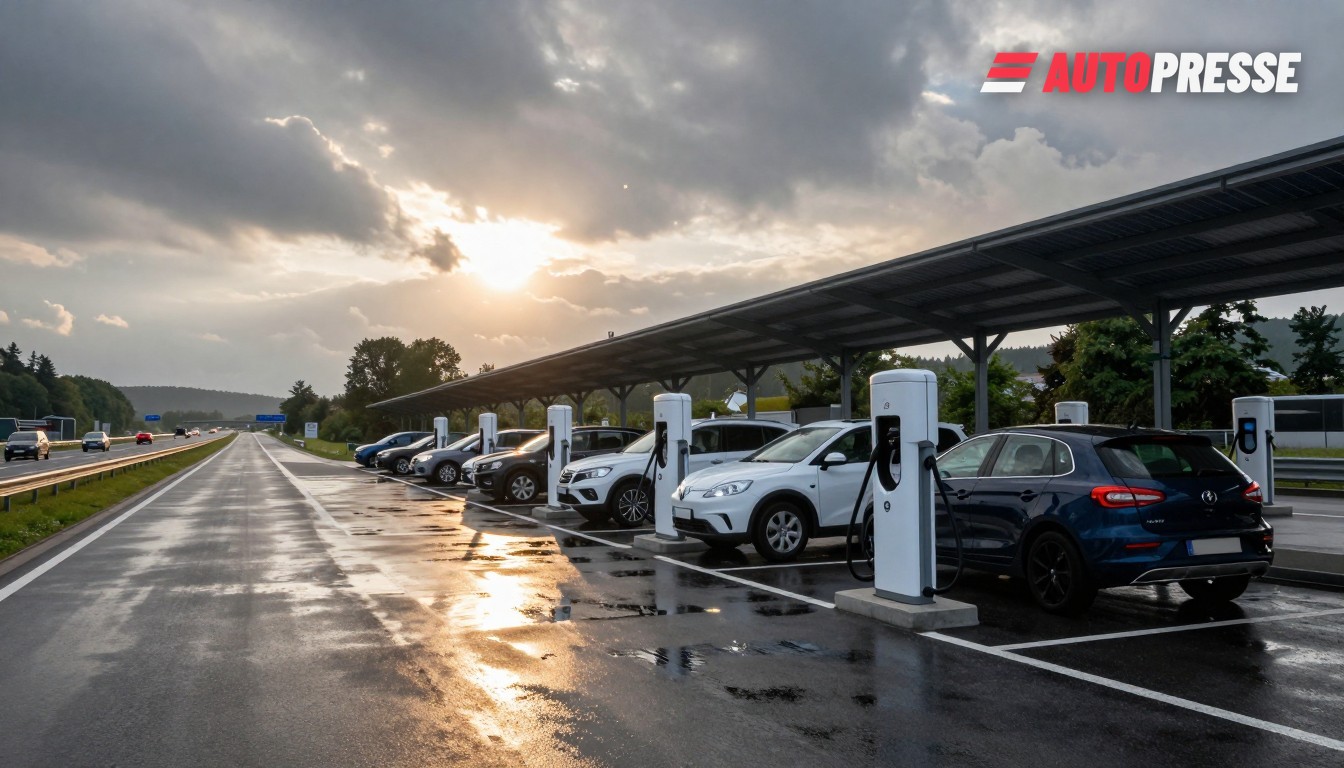
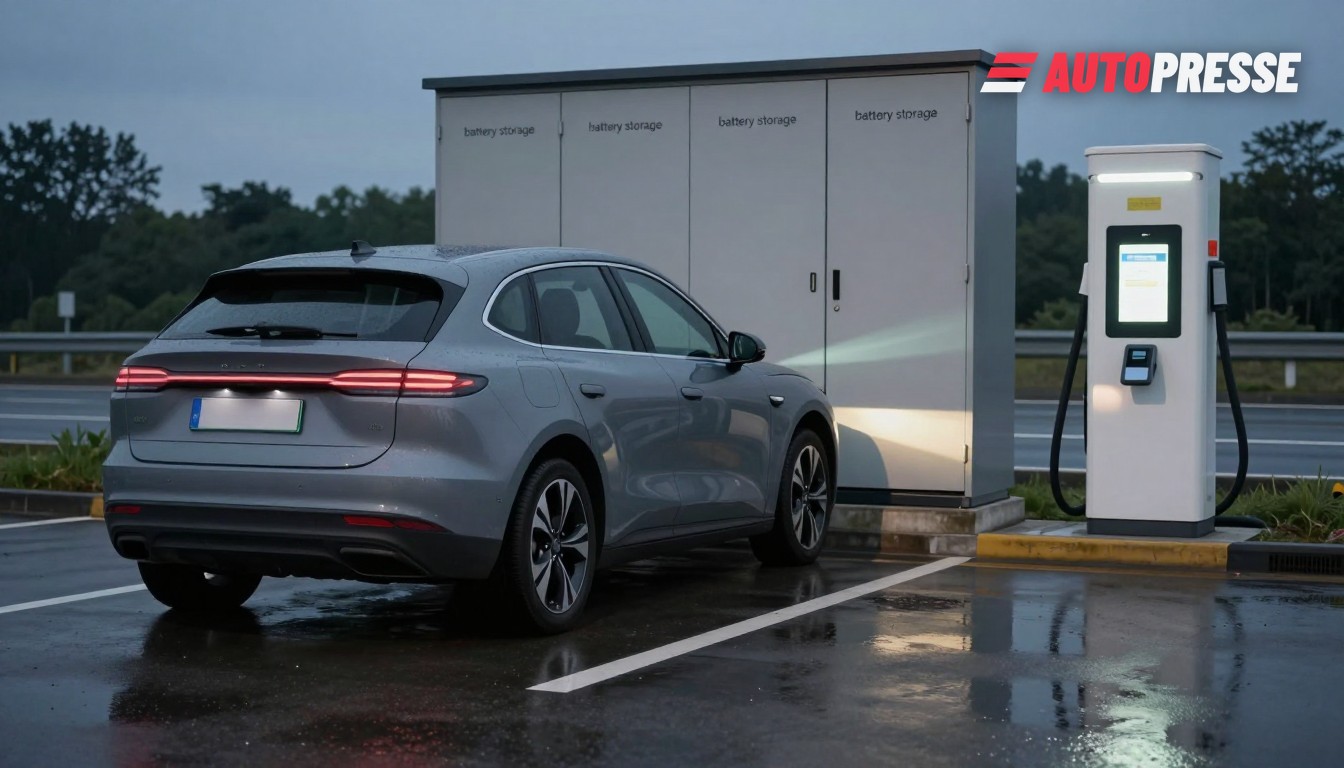
To keep large fleets running, operators are building on‑site high‑power charging and sophisticated load management rather than relying on public chargers. DHL has announced a programme to install dedicated high‑power chargers at parcel centres — an initial rollout that aims for some 170 heavy‑vehicle charging points across Germany by 2027 — and the group has completed pilots of a proprietary charging and load‑management system for thousands of vehicles. These depot parks pair CCS high‑power hardware with local PV and battery systems to shave peaks and cut grid fees.
In Austria the Österreichische Post has already pushed the electrification of last‑mile services further into operations: the company celebrated its 6,000th e‑vehicle in December 2025 and reports an annual procurement rate of about 1,000 new e‑vehicles, plus an expansion of on‑site PV and intelligent charge solutions for staff charging at home. The Post is also rolling out electric trucks in regional hubs and has enabled charge@home solutions tied to company accounting.
Vehicle‑to‑Grid and bidirectional pilots move from labs to business
Beyond one‑way charging, bidirectional use of vehicle batteries is passing pilots. Austria’s Post is testing V2G with utility partners (EVN and Netz NÖ), aiming to use fleet batteries as mobile storage at site level. At the same time, major manufacturers and energy brands are preparing commercial V2G offers: Volkswagen and its Elli brand said they will launch an integrated V2G package for private customers in Germany in the fourth quarter of 2026, combining charger, smart meter, tariff and aggregation services. That push shows V2G will be used both for grid services and as a commercial value stream for fleets and private drivers.
Independent market observers also record fast growth in electric medium‑duty vans and trucks: half of EU zero‑emission medium truck and van sales in early‑to‑mid 2026 were concentrated in Germany, reflecting a strong procurement drive among logistics players. The International Energy Agency and transport analysts note that electrification in commercial fleets is a strategic lever to reduce urban emissions and bring predictable total‑cost‑of‑ownership gains for operators.
What this means for the market
For drivers and dealers: the rise of fleet charging means more depot‑sized hardware, and more second‑hand EVs returning from structured commercial lifecycle — an opportunity for remarketers and service shops to specialise in commercial BEV prep and battery health work. For municipalities and grid operators: concentrated depot demand requires local grid upgrades, connection agreements and smart‑meter rollouts; projects in Germany and Austria show pilots and private‑sector load management can smooth those investments if coordinated early. For suppliers and installers: demand is shifting from single wallboxes to multi‑megawatt depot parks, integrated energy management and V2G‑capable chargers — skills that will decide who wins commercial electrification contracts.
Transporter listings for dealers on WorldTrader24 →
Sources: DHL Group, Volkswagen Group (Elli), Österreichische Post, ICCT, IEA.