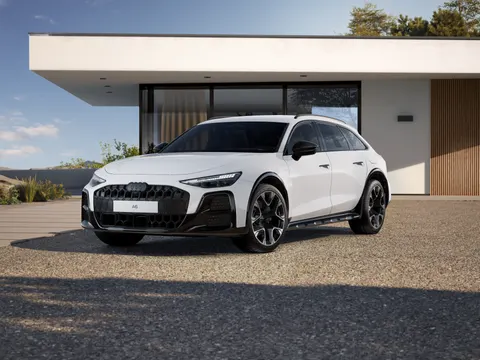
Germany and Austria are no longer rivals in EV tech — they are playing complementary roles. German OEMs are accelerating the shift to software‑defined vehicles (SDV), while Austria is fast becoming Europe’s semiconductor and battery‑diagnostics hub. That split matters for drivers (better OTA updates and services), dealers (new diagnostics and sales arguments) and suppliers (who must pivot from hardware to software or high‑value chips).
Software‑defined cars: Germany’s strategic push
German manufacturers have moved from proofs‑of‑concept to large‑scale SDV programmes in 2026. BMW says its Neue Klasse vehicles assign multiple domain controllers and a centralised software architecture across driving dynamics, ADAS, infotainment and vehicle functions — a blueprint it will extend across future models.
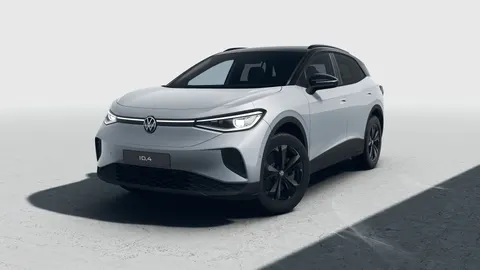
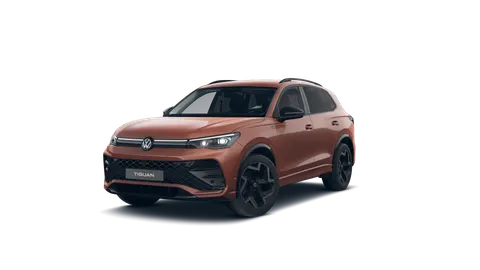
Volkswagen’s group documents and recent LOI with Qualcomm make the same point: the Group is building zonal, updateable architectures and sourcing high‑performance SoCs to run infotainment and AI stacks — a clear signal that software will be a primary differentiator.
Austria’s moment: chips, test labs and battery truth
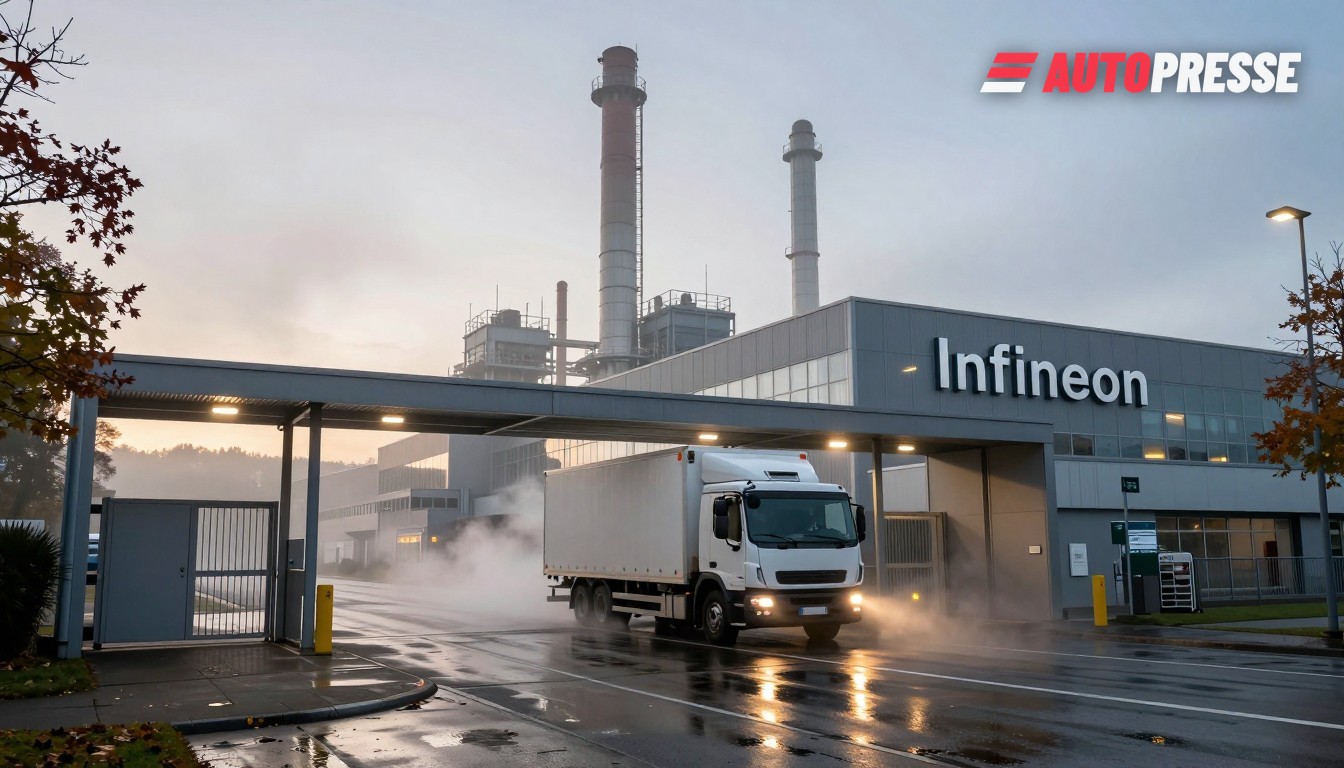
Austrian industry and clusters are profiting from that software pivot. In October 2026 Infineon announced an approximately €1.1 billion expansion in Villach to produce next‑generation power semiconductors (GaN and advanced SiC on 300 mm wafers), backed by approved state aid — a step that strengthens Europe’s local chip supply for power electronics and DC fast‑charging hardware.
At the same time, AVILOO — the Wiener Neudorf‑based battery diagnostics firm — published the AVILOO Certified EV Battery Report covering more than 500,000 independent FLASH tests performed between 2022 and 2026. The study shows same‑model battery health can vary materially, and it has already underpinned AVILOO’s expansion of a battery warranty and diagnostic services across Europe. For Austrian dealers and fleets this creates a practicable way to price used BEVs by verified battery capacity rather than dashboard estimates.
What this means for the market
Three concrete consequences follow. First, used‑EV trade and residuals will increasingly split along verified battery health and software update status: buyers will pay premiums for cars with AVILOO certificates and recent OEM OTA histories. Germany already led Europe in used EV sales volume in 2025 — about 400,000 units — and growing transparency will change valuation formulas for lenders and insurers.
Second, suppliers and tier‑1s must decide whether to invest in software stacks or specialist hardware. Infineon’s Villach investment and Volkswagen/BMW SDV programmes show both paths are viable — and highly complementary.
Third, dealers and workshops will need new tools and skills. Independent battery testing (three‑minute FLASH tests) and OTA‑aware service records will become standard due diligence; workshops that add certified diagnostics and software‑update services will capture higher margins and rebuild buyer trust.
Electric vehicle listings on WorldTrader24 →
Sources: Volkswagen Group, BMW Group, Infineon, AVILOO, IEA, Fraunhofer ISI