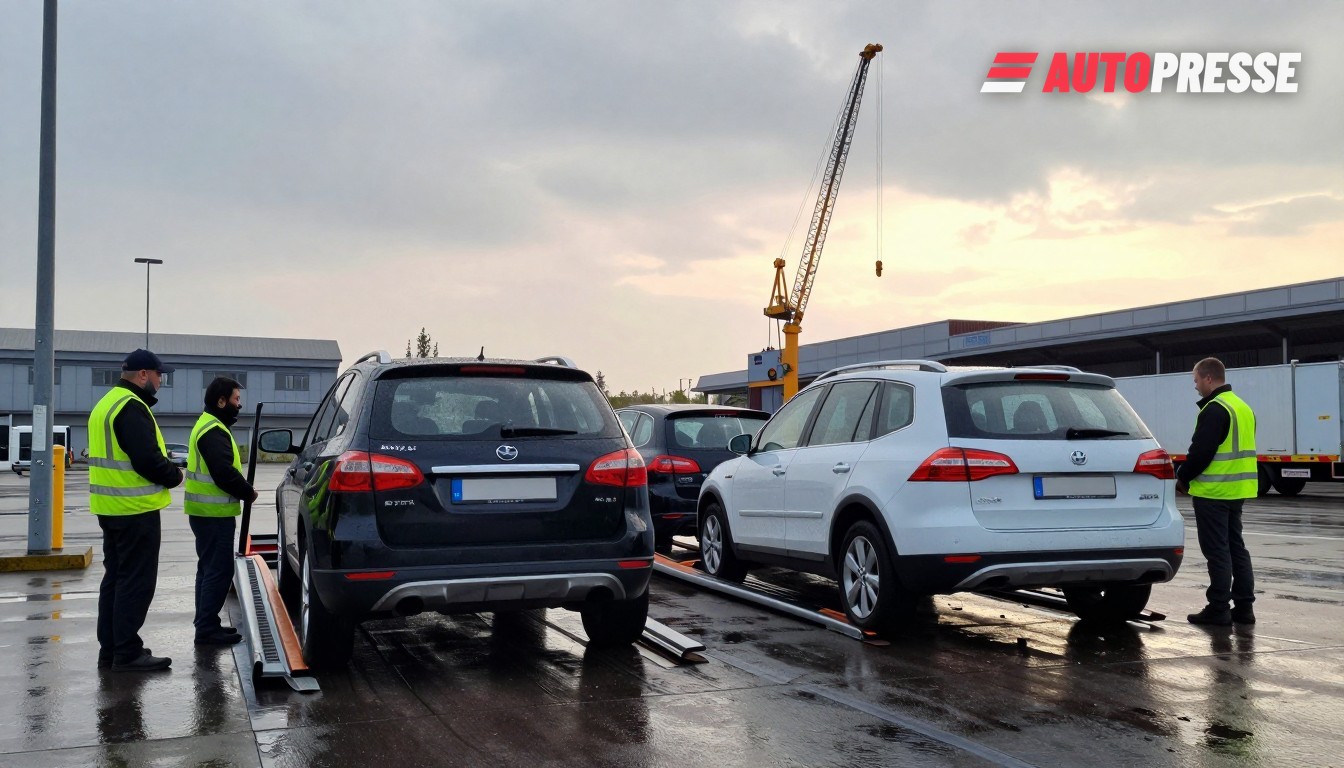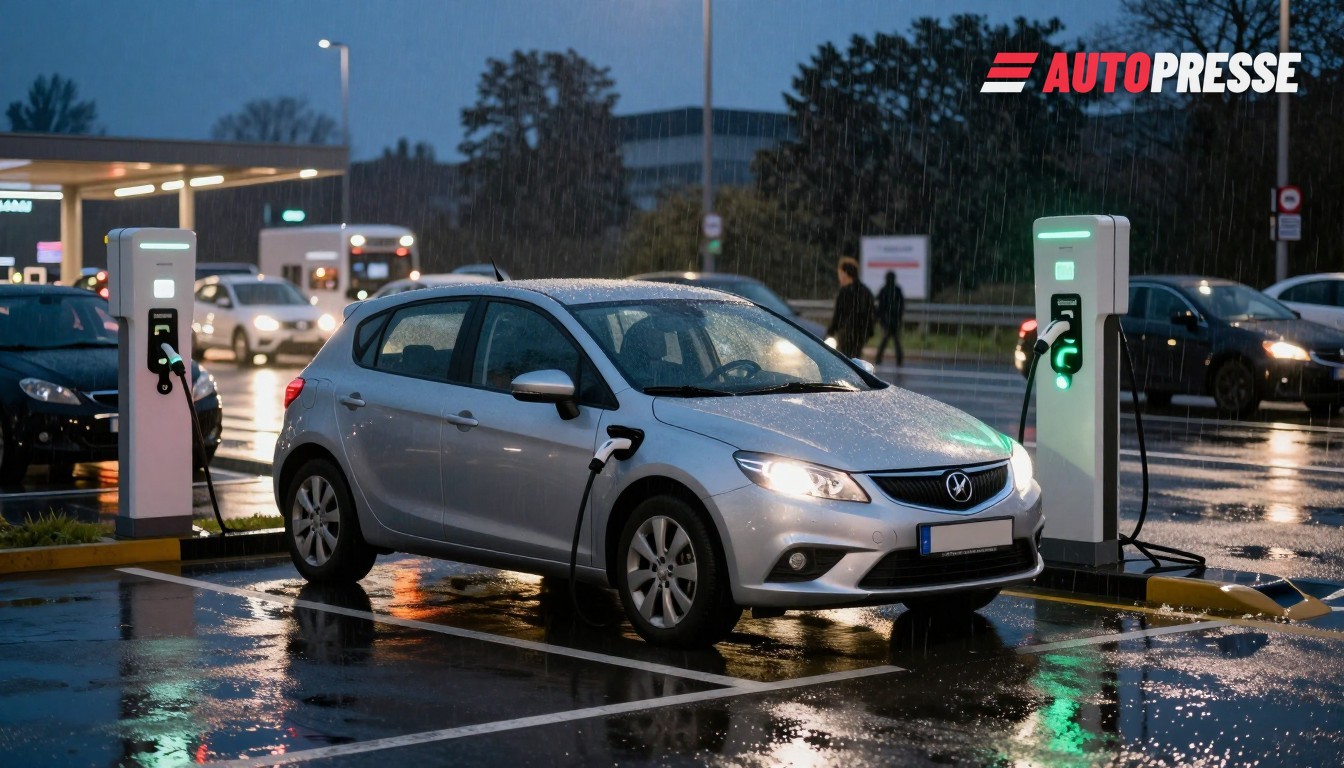
Germany and Austria enter the year’s final sales window with a quieter, more predictable wholesale market after months of volatility. Professional remarketing platforms report that auction prices have stabilised and electric vehicles are proving more resilient than many combustion models — a shift that is already changing dealer buying plans, bank residuals and how rental and fleet operators time disposals. This matters for buyers, dealers and fleet managers across both countries because wholesale pricing sets retail margins and the math behind leasing and fleet replacement decisions.
What the data says
Quarterly pricing reports from BCA Europe show the used‑car market finding “greater confidence” in Q3 2026: price volatility has eased and EVs remain one of the stronger segments at auction, while performance varies sharply by country and mileage band. The BCA summary highlights that higher‑mileage vehicles are challenging previous assumptions — in some markets they retain value better than expected, while thin demand for specific ICE models keeps pressure on prices.
Independent auction and remarketing observers report the same pattern. Cox/Manheim commentary for 2026 shows wholesale indexes dipping below last year’s levels in parts of September but recovering as volumes and buyer confidence normalise; ex‑rental flows and the mix (more SUVs and higher spec cars) are important drivers of recent volatility.
At the fleet and leasing level, major remarketers and mobility groups say the market is stabilising after an earlier correction. ALD/Ayvens disclosures show that companies have adjusted residual‑value assumptions and that remarketing gains from 2023–24 have largely normalised — a direct input to monthly leasing rates and fleet replacement timing.
Macro registration data underpins the wholesale picture. Europe‑wide registrations rose through September 2026, keeping pressure on supply and remarketing channels; Austria’s official statistics continue to show robust new‑car volumes year‑to‑date, supporting steady flows into used‑car channels later in the year. These registration dynamics matter because manufacturer and fleet new‑car deliveries determine the scale and timing of returned lease cars at auction.
What this means for the market
Dealers: Expect steadier buy‑in prices but continued segmentation. Dealers that specialise in EVs or low‑mileage, high‑spec cars can still find scarce, profitable stock at auction; mass‑market ICE and high‑mileage vehicles will need sharper pricing and faster turn‑rounds. Auction houses now recommend more granular bidding by country and mileage cohort to protect margins.
Banks & lessors: Residual assumptions remain under review. Lessors including ALD/Ayvens reported explicit adjustments to depreciation models in 2026; expect lenders and captive financiers to press for updated residual values in new leasing quotes, which will feed through to higher monthly rents where depreciation risk is judged elevated.
Fleets & rental companies: Timing and channel choices are critical. With auctions stabilising, many large fleets are shifting from bulk disposals to staggered sales and targeted retail channels to capture value, especially for EVs where buyer demand at retail remains stronger than for equivalent ICE cars. Rental operators monitoring Manheim/Cox indices are likewise tailoring disposal schedules to avoid seasonal troughs.
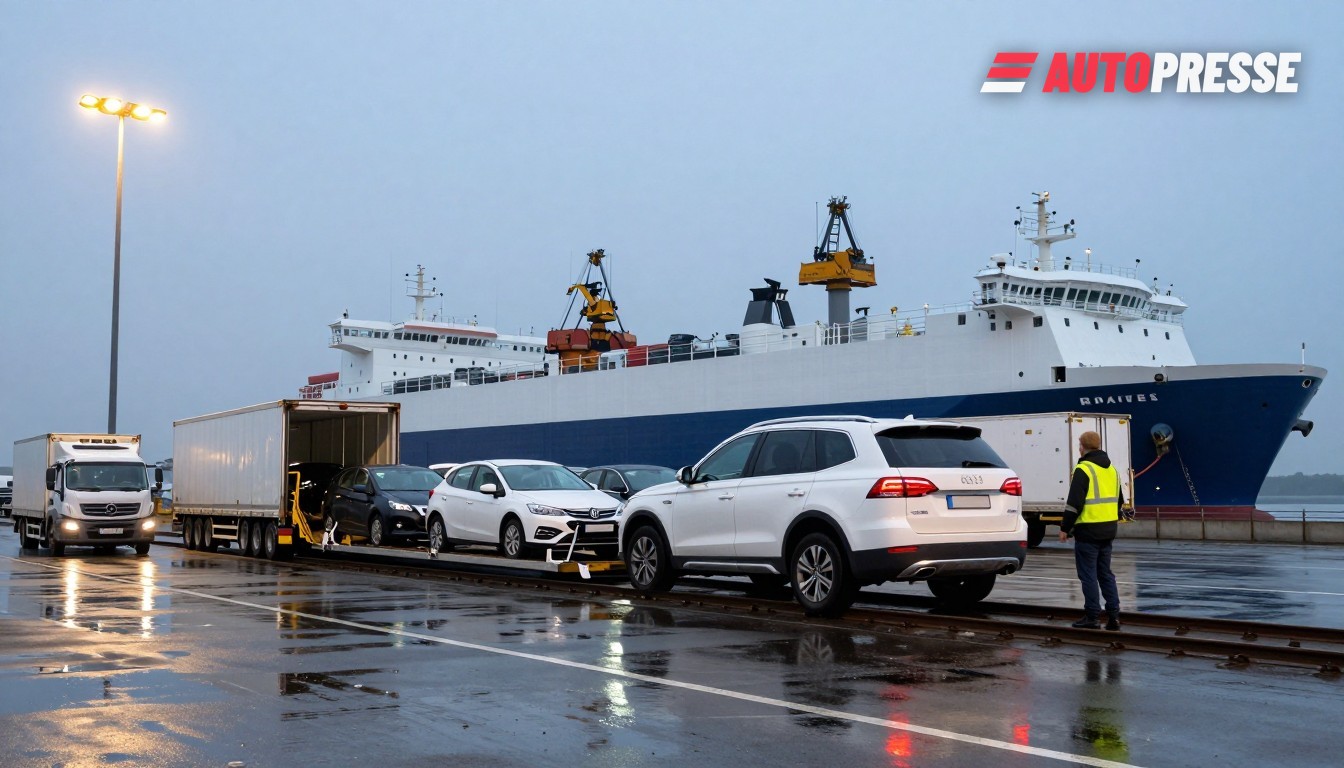
Cross‑border flows: Buyers and dealers who use European auction platforms can exploit national price differences, but the BCA report warns that local legal, tax and logistics costs still determine net opportunity — so successful cross‑border buying requires platform data and careful landed‑cost calculations.
Wholesale and fleet vehicles on WorldTrader24 →
Sources: BCA Europe, Manheim/Cox Automotive, Ayvens (ALD), ACEA, Statistik Austria, Kraftfahrt‑Bundesamt (KBA)