Germany’s supplier map is shifting again — but this round is defined less by plant closures than by targeted industrial bets that will ripple into Austria’s supply chain. In the last month, manufacturers and material specialists moved to secure raw materials and grid kit, while automation suppliers showed how battery recycling can be industrialised. For drivers, dealers and parts firms in both countries the result will be tighter material flows, new workshop demands and fresh opportunities for specialist sub‑suppliers.
Big transformers, bigger capacity
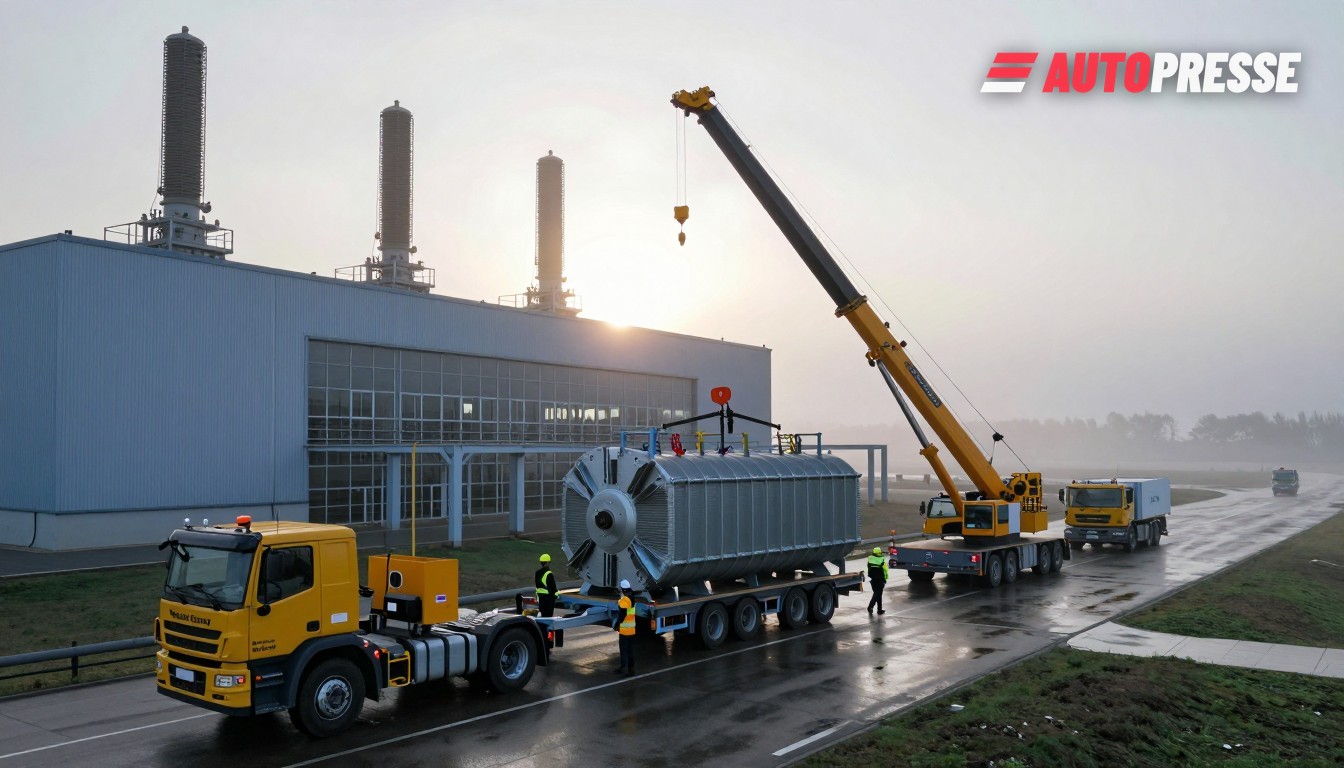
Hitachi Energy officially inaugurated the expanded transformer factory in Bad Honnef on 12 November 2026, increasing the site’s footprint and declared production capacity for heavy power transformers — a strategic response to growing electrification of grids across central Europe. The company said the modernised plant now occupies some 15,000 m² and that the enlargement follows an initial phase of investment launched in 2024; company executives and North Rhine‑Westphalia’s minister‑president attended the inauguration. The project is presented by Hitachi as a European production hub for large transformers that feed electricity into industry, charging networks and data centres.
That matters for Austria because large grid transformers are a regional bottleneck: utilities and grid companies in Austria import similar kit from German factories and from foreign suppliers, so a bigger local capacity in Bad Honnef shortens lead times and reduces delivery risk for cross‑border projects.
Raw‑materials and circular supply: Goslar and IFAT
Europe’s tungsten processing chain is being fortified too. HC Starck Tungsten — part of Mitsubishi Materials — approved a roughly €50 million expansion at its Goslar recycling site that will raise processing capacity from about 5,000 t/yr to 7,000 t/yr, with construction scheduled to begin in early November and completion expected within 2028. The company says the enlarged plant will make the site Europe’s largest tungsten‑recovery facility and reduce dependence on primary imports while serving customers across Europe and the USA.
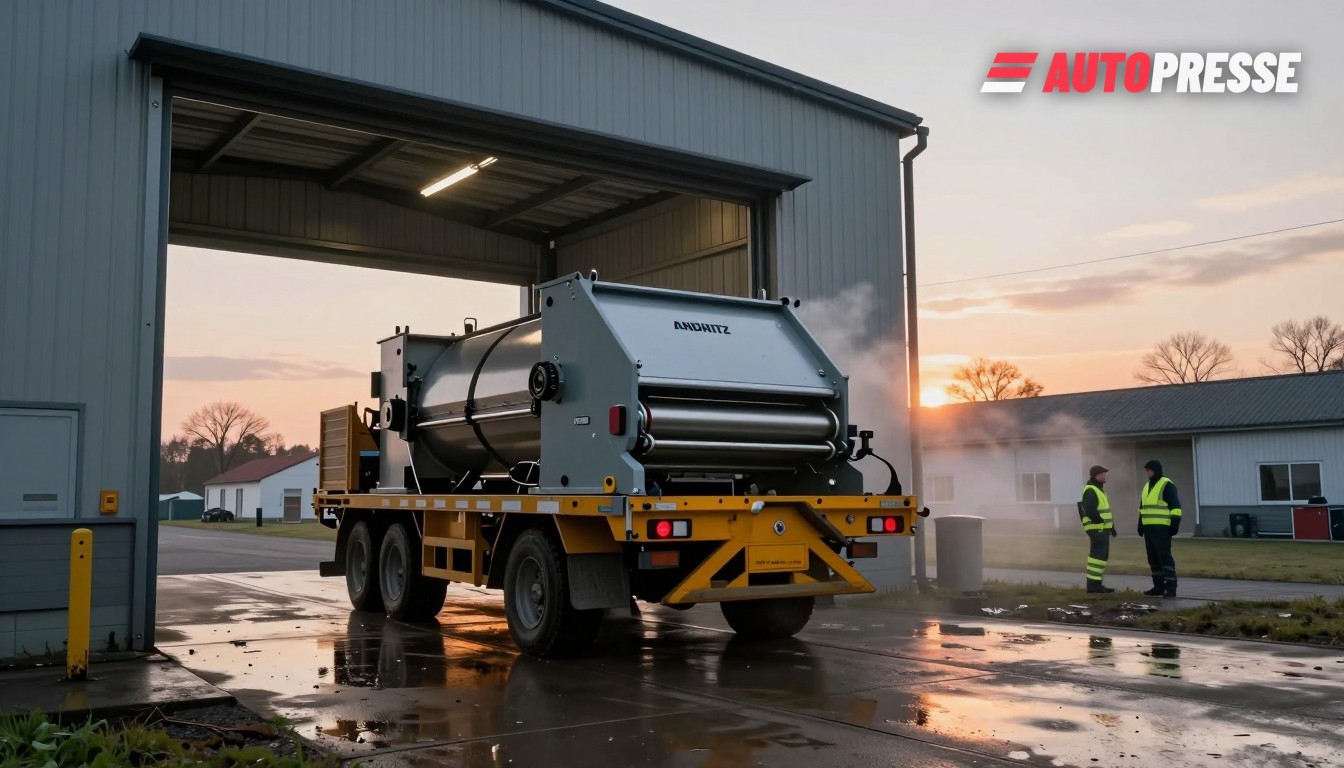
Meanwhile at IFAT 2026 Bosch Rexroth showcased a scalable, semi‑ and fully automated concept for battery pre‑treatment and disassembly aimed at making EV battery recycling economically viable at industrial scale. Bosch Rexroth warned that volumes of automotive batteries reaching end‑of‑life will grow sharply and presented mobile and stationary discharge systems plus modular automation designed to cut safety risk and manual labour.
What this means for the market
1) Shorter, more regional supply chains for critical kit: increased transformer output in Bad Honnef and larger tungsten recycling at Goslar reduce some reliance on distant suppliers. Austrian grid projects and manufacturing buyers should see shorter lead times and firmer availability of key inputs.
2) New demand for automation and service skills: Bosch Rexroth’s battery‑recycling concept points to a scaling‑up of automated battery handling that will create aftermarket and integration work for system integrators, robotics specialists and certified recyclers in Germany and Austria. Workshops and dismantlers will need equipment and training to handle discharged packs safely.
3) Opportunity for tier‑2 suppliers: as large OEM‑focused suppliers and utilities invest in grid and recycling capacity, smaller Austrian and German sub‑suppliers that can provide specialised components, tooling, test fixtures or local logistics stand to win retrofit orders and service contracts — provided they can meet certification and safety requirements.
Short term, these projects will tighten competition for skilled engineers and automation specialists. Medium term, Europe’s push to secure strategic metals and grid hardware will shift some value‑added work back to regional suppliers — a change that could help stabilise Austrian‑German industrial ties even as OEMs and parts groups reshape footprints elsewhere.
WorldTrader24 B2B vehicle marketplace for dealers →
Sources: Hitachi Energy, HC Starck Tungsten (PIM International), Bosch Rexroth