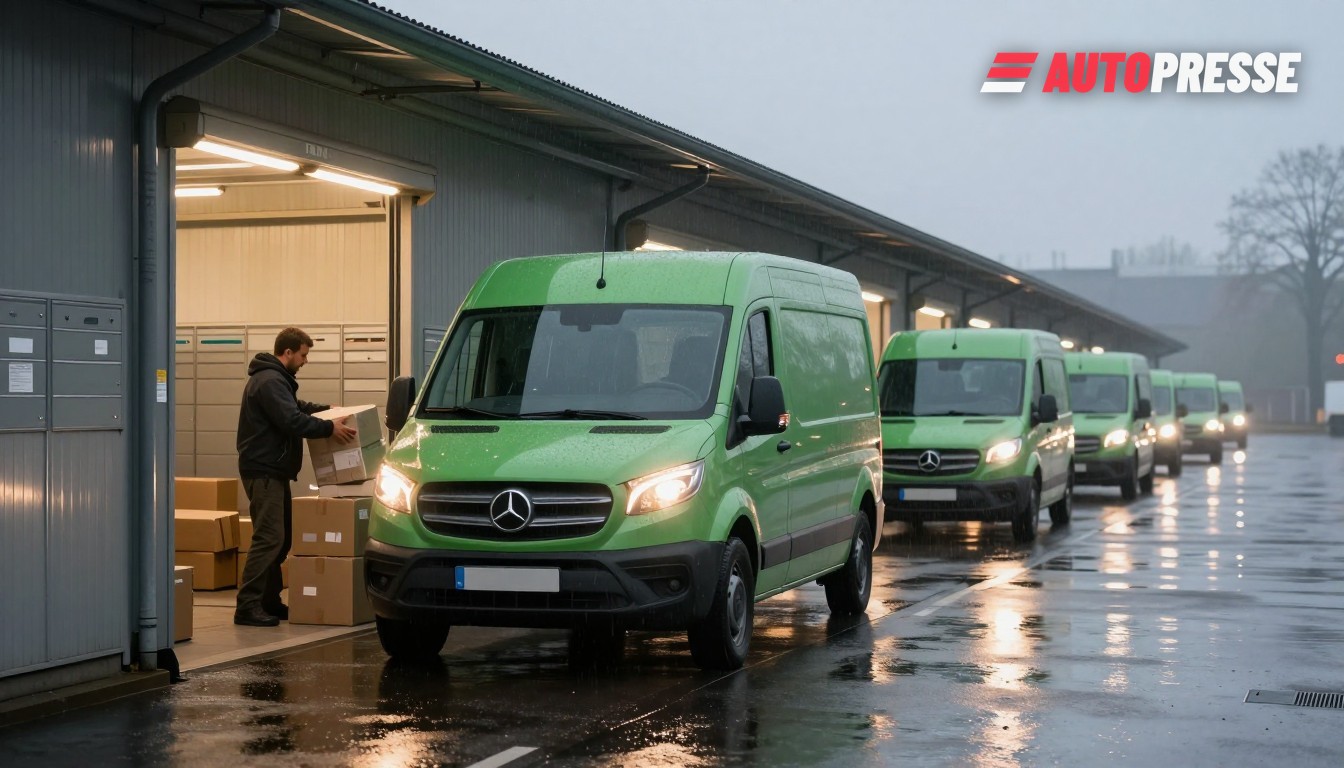
Germany and Austria’s parcel networks enter the Christmas peak under fresh pressure: the Bundesverband Paket‑ und Expresslogistik (BPEX) expects roughly 760 million KEP (courier, express and parcel) shipments in November–December 2026, a rise of about 2% year‑on‑year — even as inflationary costs and new taxes reshape demand. This peak matters to drivers, depot staff, dealers and online retailers: more vans on urban streets, longer sorting shifts and higher delivery costs for cross‑border shoppers.
Peak numbers and operational strain
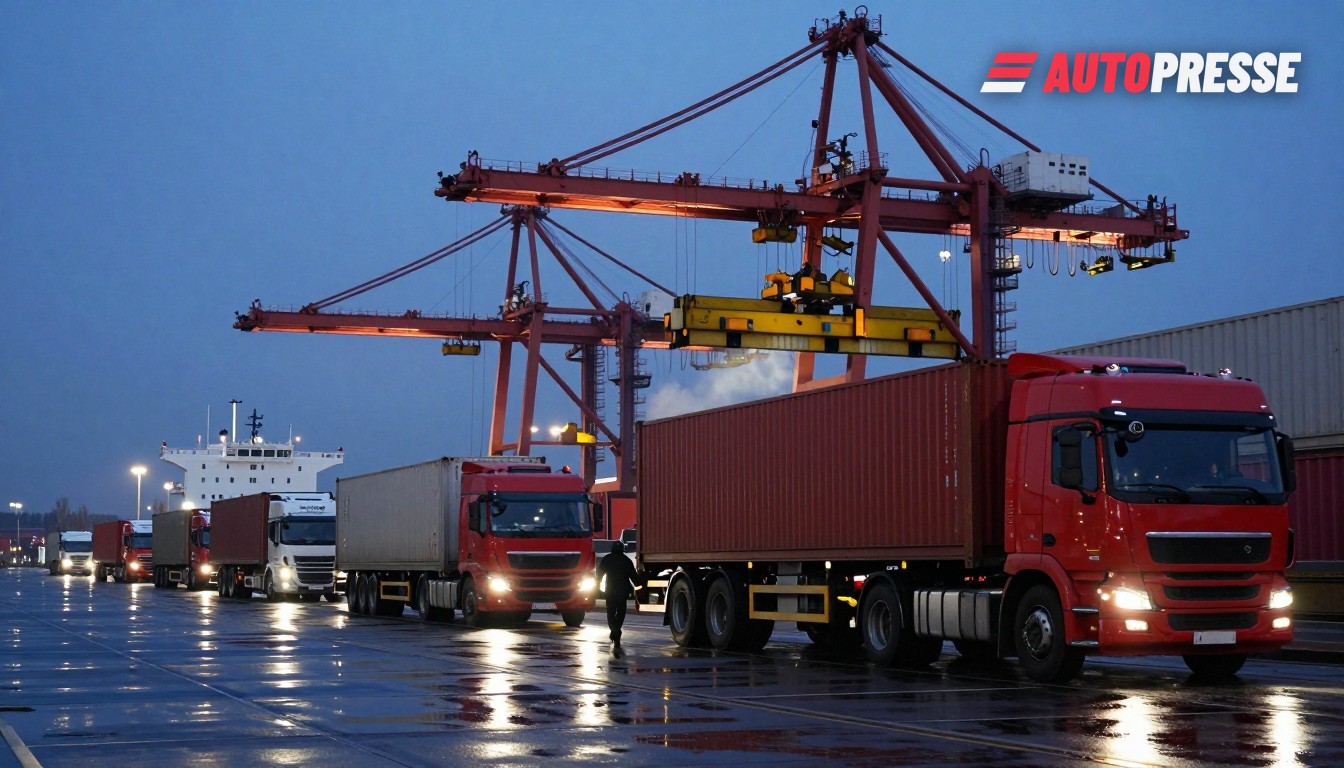
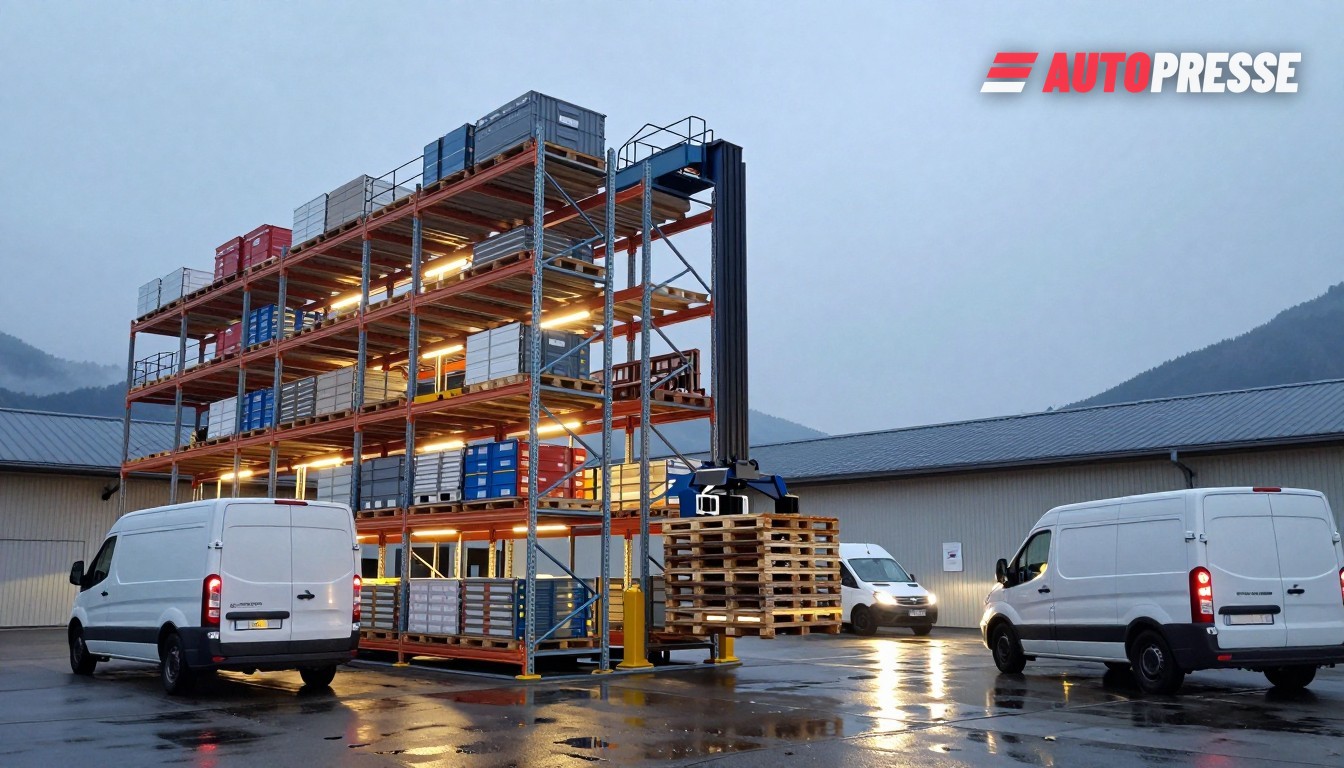
BPEX’s November 12, 2026 forecast projects some 760 million shipments during the two‑month peak and about 4.47 billion KEP sends for the full year 2026 — modest growth but the highest operational load of the year. Logistics firms are responding with extra seasonal hiring, temporary sorting shifts and expanded use of parcel lockers and automated sorters to keep flow steady.
Major operators report preparatory measures: Hermes has reiterated peak‑season readiness and an expectation of “high volumes on station” for November into December, while Deutsche Post / DHL says it has stepped up investment in parcel stations and seasonal staff to meet delivery windows. Those actions aim to protect on‑time delivery but also raise labour and energy costs for operators.
Austria: a new package tax changes the equation
Across the border, Austria’s introduction of a package tax in October 2026 is already reshaping merchant behaviour and the domestic parcel business. The Österreichische Post flagged the tax as a drag on growth and said it expects the levy to weigh on the upcoming holiday period — reducing upside for record volumes and shifting some cross‑border flows. Retailers and platforms are exploring price and delivery adjustments to protect margins.
What this means for the market
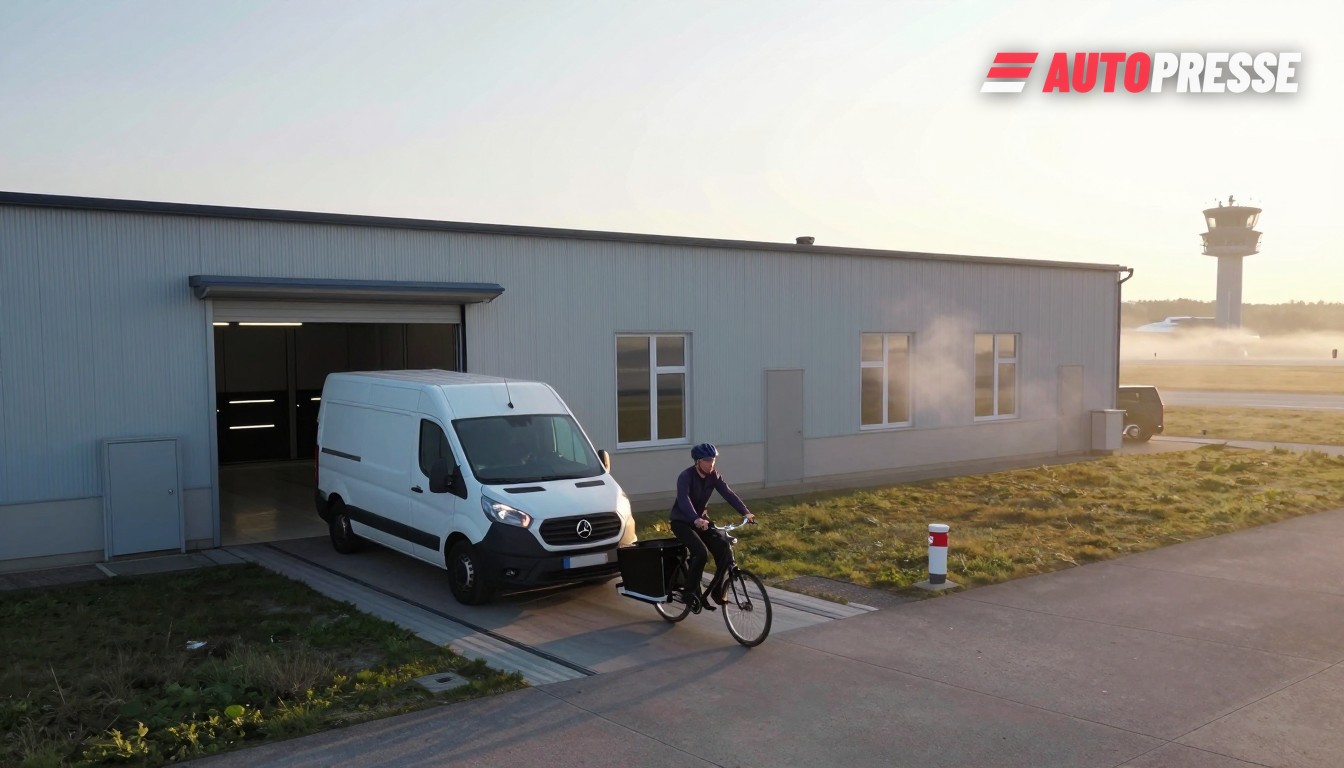
First, tighter margins. Operators face higher energy and wage bills while having to absorb or pass on a new Austrian tax; BPEX warns the macro environment (energy, fuel, food prices) will temper consumer spending even during the peak. Second, electrification and depot flexibility will accelerate: parcel carriers are deploying more electric vans and temporary pop‑up sorting centres to smooth urban peaks and lower last‑mile costs. Third, labour remains the bottleneck — expect continued reliance on seasonal hires, shift overtime and automation where economics allow.
For retailers and dealers, the message is concrete: allow longer delivery lead times, diversify carrier partners (especially for Austria), and consider locker or collection‑point offers to reduce failed drops and marginal costs.
Commercial electric vans and transporters on WorldTrader24 →
Sources: Bundesverband Paket‑ und Expresslogistik (BPEX), Österreichische Post, Deutsche Post / DHL, Hermes Germany