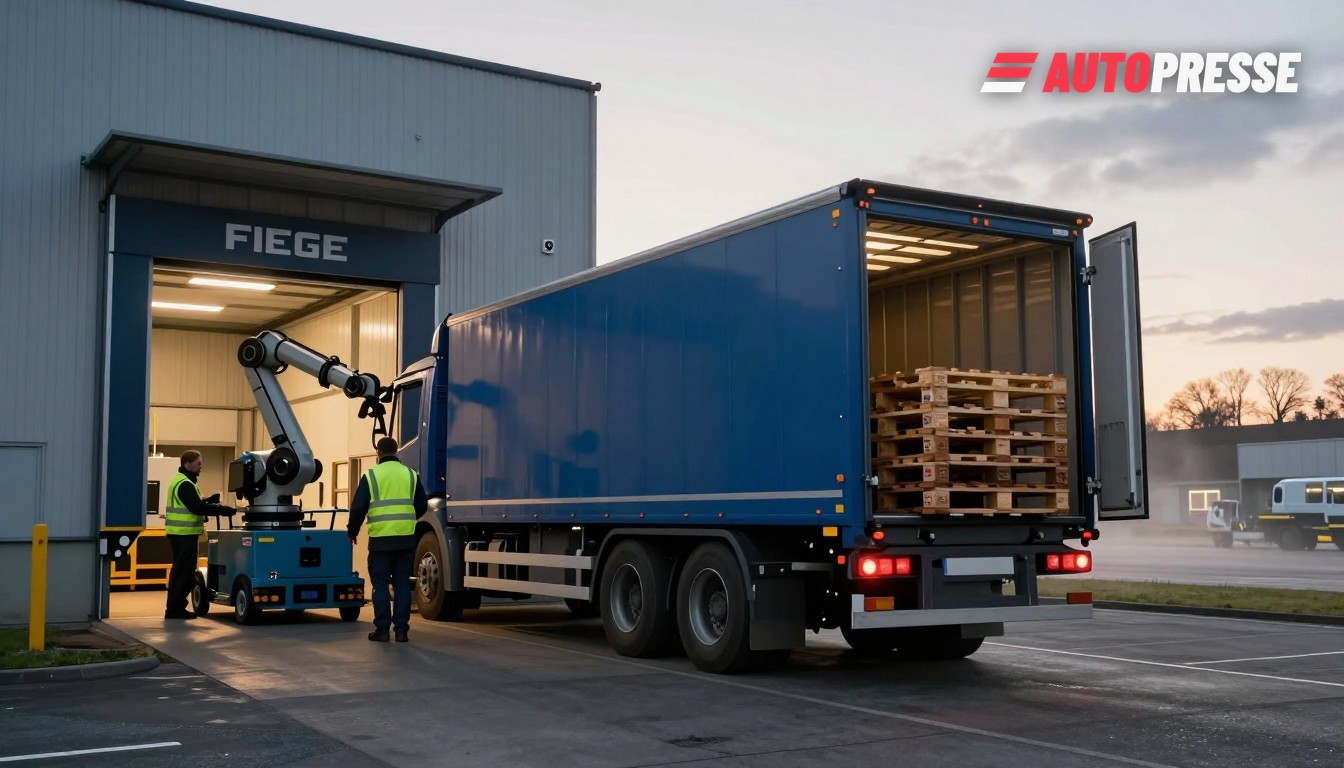
Germany and Austria’s automotive aftermarket is being reshaped not by a single headline OEM, but by logistics moves: central warehouses, 24/7 parcel‑station pick‑up and fast online distribution are cutting repair lead times and forcing dealers, workshops and parts suppliers to adapt. That matters to drivers who expect rapid repairs, to dealers and independent garages that must promise availability, and to logistics staff whose shifts and workplaces are changing.
Speed and reshuffle: new hubs, networks and inventories
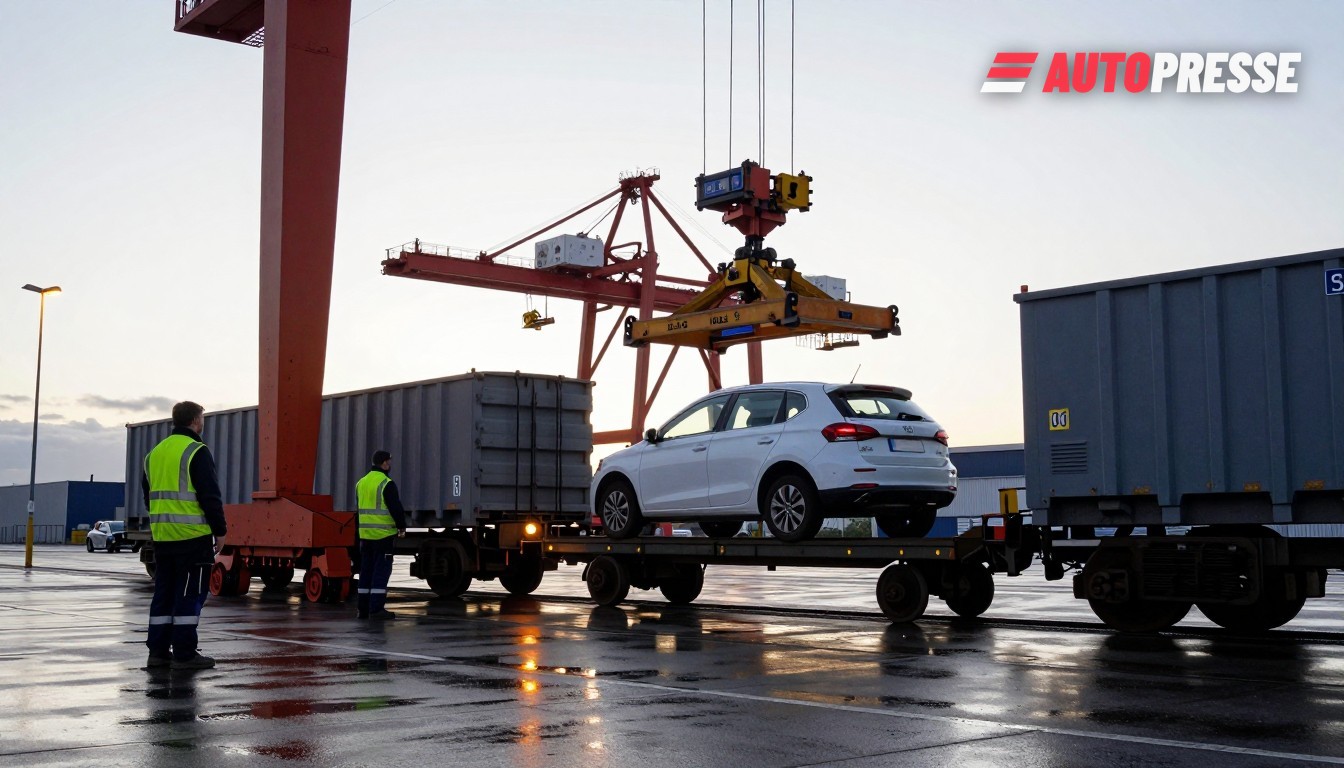
Large logistics contracts and new distribution hubs have concentrated capacity this year. FIEGE took over operations of MANN+HUMMEL’s central spare‑parts warehouse in Niederaichbach on 1 January 2026; the site spans roughly 40,000 m² and the contract keeps about 200 staff at the location, the companies say.
At the same time digital wholesalers are expanding their footprint. AUTODOC reported that sales revenue rose to €1,003.4 million in H1 2026 and described further rollout of its European distribution network — new 3PL warehouses went live in Belgium and the UK during the first half of the year. AUTODOC is also shifting its B2B business toward a digital model to speed fulfilment.
Regional and specialist logistics players are locking in same‑day and night‑time supply too. K&P (KPC) reports roughly 17,000 SKUs stocked at its Wiesbaden hub with more than 25 branch locations in Germany and local sites in Vienna and Linz to serve Austria — and confirms delivery within hours or same‑day under SLA arrangements.
On the last mile, LPR integrated myflexbox parcel stations into its overnight express network on 28 May 2026, enabling contact‑free pickup of time‑critical B2B shipments in Germany and Austria by 07:00 the next morning — a practical fast‑fulfilment model for spare parts and service technicians.
Manufacturers and tier‑one suppliers are also broadening aftermarket coverage: Continental’s ContiTech added well over 1,000 new chassis and steering items in 2025 and signalled continued portfolio expansion into 2026, reflecting supplier efforts to reduce search‑and‑wait times for workshops.
What this means for the market
Data shows these logistics changes are meeting real demand. A June 2026 Wolk & Nikolic survey of 200 German workshops found cross‑channel sourcing is rising: independent (IAM) workshops still buy 71% of parts via independent wholesalers, but 39% report increased cross‑channel sourcing over the past five years as availability drives choices. The report underlines that operational availability — not channel loyalty — often determines where workshops source parts.
Industry consolidation mirrors the logistics shift. Frost & Sullivan notes Europe’s buying groups reached a consolidated turnover of €155.0 billion in 2025 and that buying groups and distributors are consolidating procurement, digital inventory control and supplier access to close gaps in availability across markets. That consolidation, together with faster fulfilment infrastructure, is what enables same‑day fixes and wider aftermarket coverage for Chinese and legacy brands alike.
For drivers the result is shorter workshop wait times; for dealers and independent garages it raises the bar on stock transparency and digital ordering. For logistics staff and warehouse operators the shift means bigger central hubs, night‑shift pick‑and‑pack and new parcel‑station workflows. Suppliers who expand SKU ranges and partner with 3PLs now gain access to rapid distribution that few local wholesalers can match.
WorldTrader24 B2B vehicle marketplace for dealers →
Sources: FIEGE Logistics, AUTODOC, K&P (KPC Warehouse), LOGISTRA (LPR/myflexbox), Wolk & Nikolic, Frost & Sullivan, Continental, ATR