Drivers in Germany and Austria are seeing two linked trends: a surge in electric registrations and a simultaneous push to make public charging smarter, faster and kinder to the grid. That convergence is already shifting how dealers sell EVs, how fleets plan depot charging and how network operators deploy hardware and software across the Alpine corridor.
Numbers, networks and pilots
Austria reported a strong uptake in 2026: passenger‑car registrations rose 10.7% from January to October, with battery‑electric cars up sharply — official data show the market registering a notable BEV increase in October.
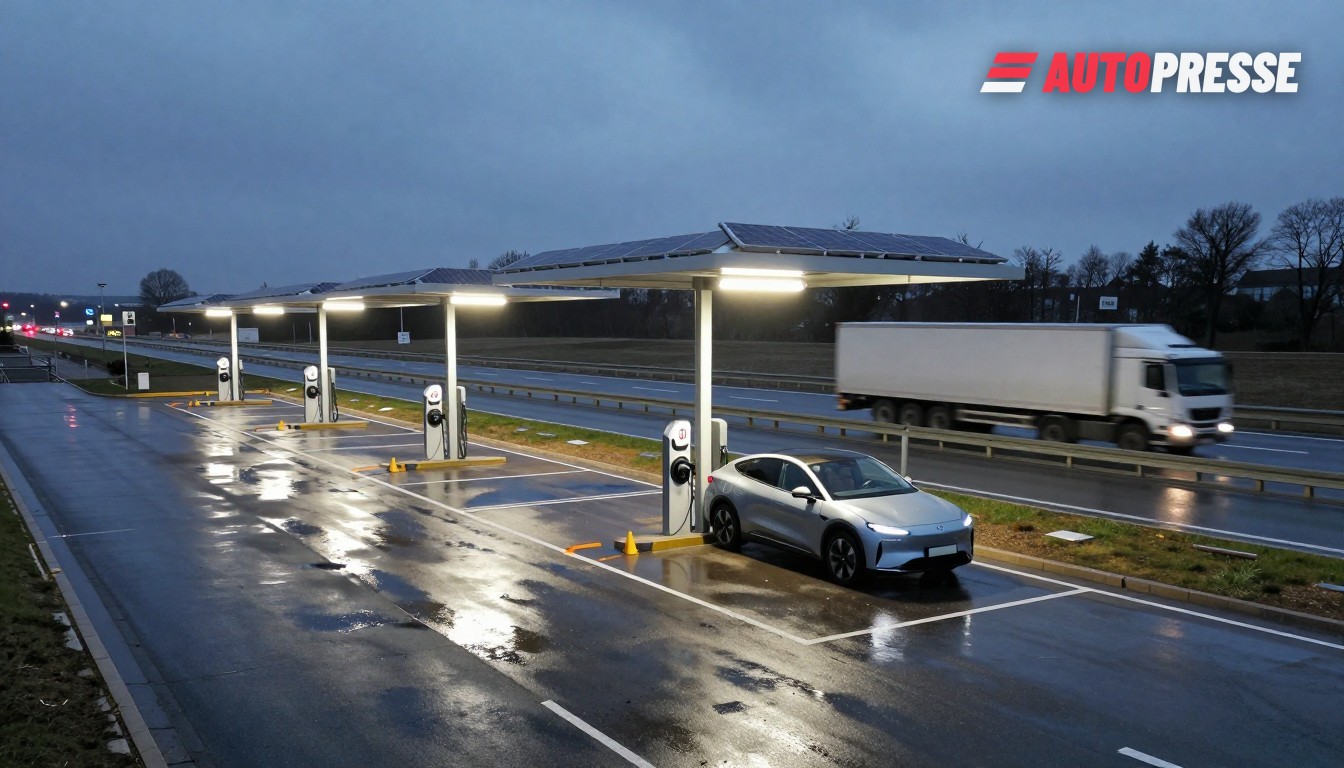
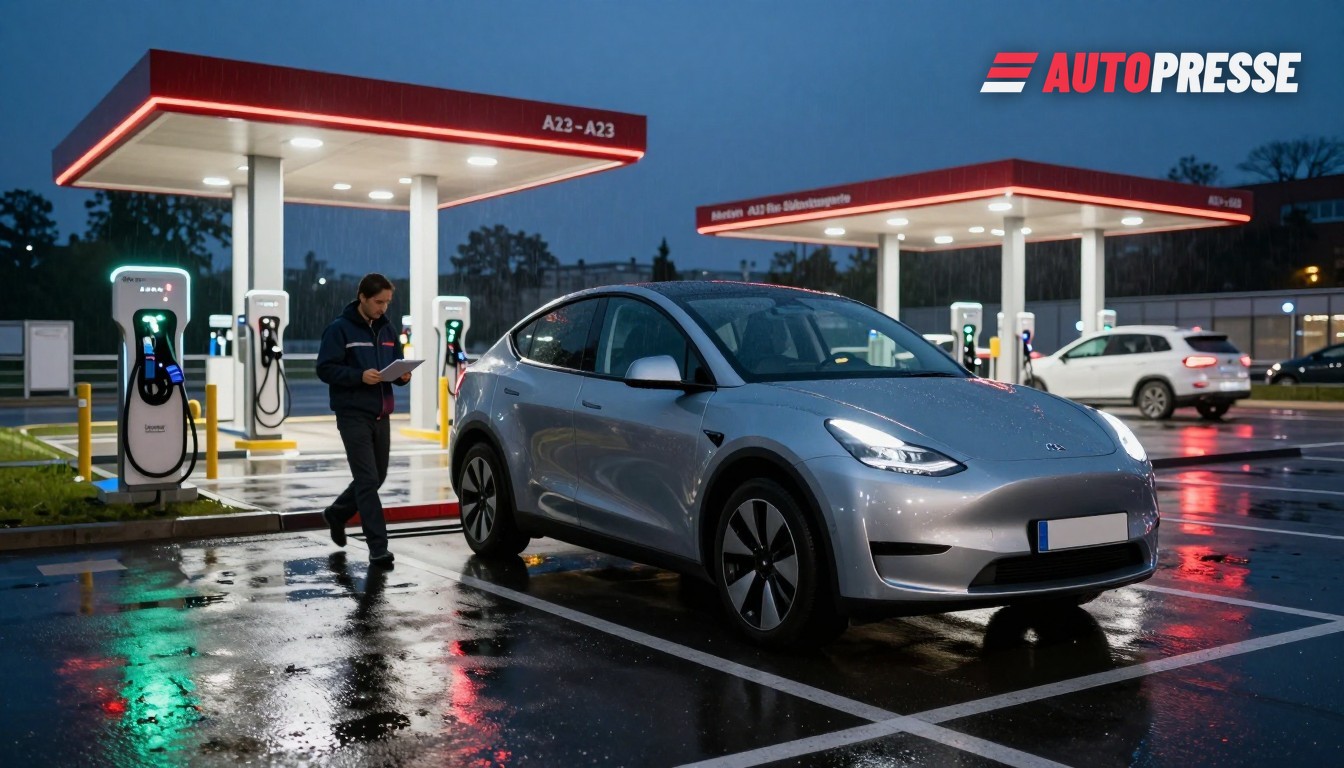
On the infrastructure side, public registers tracked by industry data show Austria now lists roughly 41,600 public charge points in November 2026 — a high density by European standards that helps explain the faster BEV adoption.
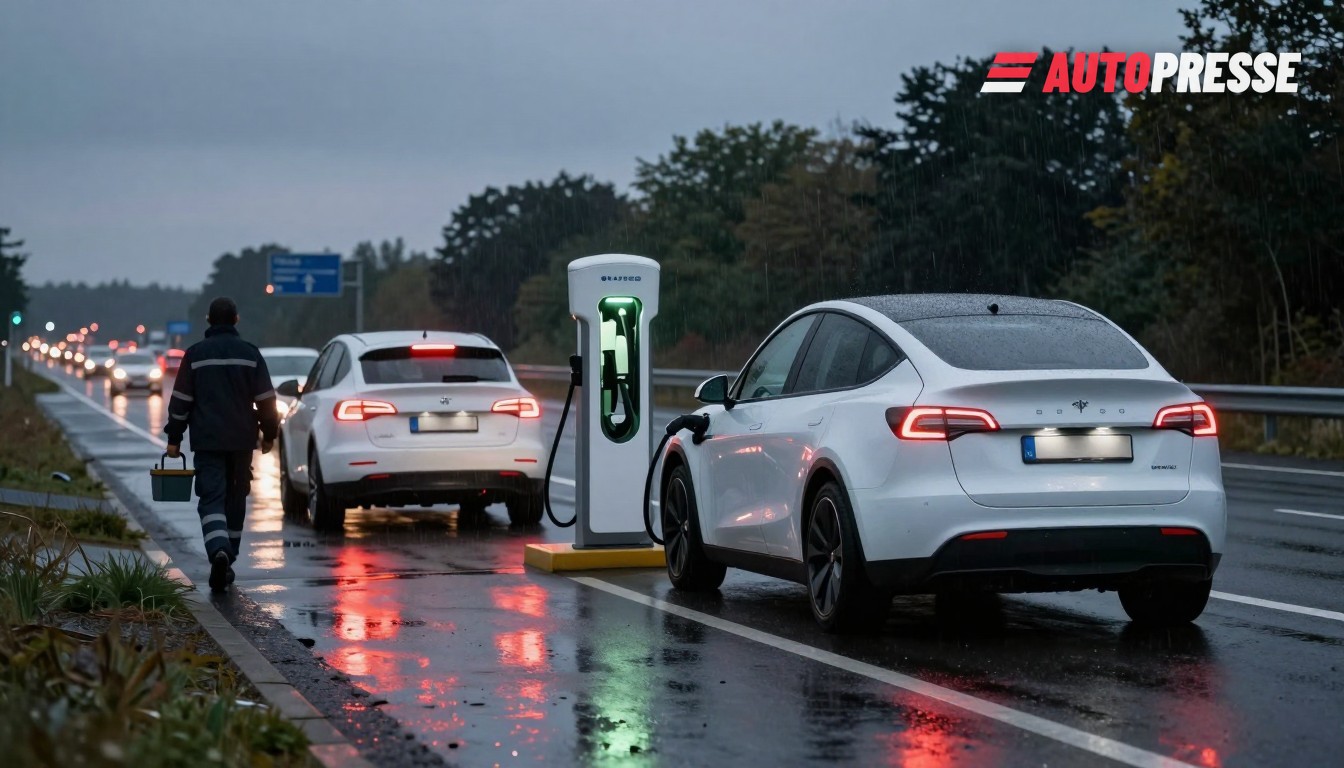
Germany is moving on complementary fronts: beyond hardware expansion, operators and utilities are piloting automated and ‘seamless’ charging that integrates billing, vehicle authentication and smart load management. Vattenfall’s InCharge and partners ran a cross‑border trial covering Sweden, the Netherlands and Germany earlier in 2026 that involved more than 700 drivers and aims to roll Seamless Charging out across InCharge sites later in autumn/winter 2026.
Policy and rules reshape the background
Regulation is changing too. Germany has adapted national law to transpose the EU Battery Regulation (Regulation (EU) 2023/1542) and is using transitional measures — for example keeping higher German battery‑collection targets in place until the end of 2026 while the EU rules phase in. That legal work affects recycling, second‑life supply chains and the lifecycle economics behind vehicle and charger deployment.
Meanwhile, digital partnerships are moving into the mainstream: mobility platform Arrive extended its tie‑up with Vattenfall in 2026 to provide integrated EV charging services inside the EasyPark app in Germany — a sign that drivers will increasingly find charging via mobility apps rather than separate operator wallets.
What this means for the market
First, dealers and fleets: higher BEV share and denser public charging change test‑drive pitches and total cost‑of‑ownership calculations — dealers must advise customers on which charging products and apps actually work in their region. Second, for grid and site planners: smart charging pilots like Vattenfall’s prove that software can multiply existing grid capacity by sequencing and authorising sessions, reducing the need for expensive network upgrades at every site. Third, for recyclers and battery firms: the German adaptation of the EU Battery Regulation locks in collection targets and creates clearer routes for second‑life batteries to be used in stationary storage tied to charging hubs.
Execution will matter. Dense charger networks in Austria give consumers optionality today, but scaling ultra‑fast hubs across Germany will depend on more pilots, app integration and clearer business models for site hosts and utilities.
Electric vehicle listings on WorldTrader24 →
Sources: Statistik Austria, Chargepoints.com, Electrive/Vattenfall, Bundesministerium für Umwelt (BMUKN), Arrive