Germany’s largest industrial union, IG Metall, stepped up a wave of warning strikes on 2 November 2026 that directly affected major vehicle and component sites including Audi and Mercedes‑Benz — a disruption that matters to drivers, dealers and employees across Germany and neighbouring Austria. The action, launched amid a national cost‑of‑living squeeze, underlines how pay talks in the metal and electrical engineering sector can quickly spill over into the car industry’s production and supply chains.
What happened this week
On Monday, 2 November, workers at several sites downed tools as IG Metall broadened strike actions in the current tariff negotiations. The union has called for a 5% wage increase from November, stronger safeguards for jobs and production sites, and new profit‑sharing arrangements for sectors doing well. Employers countered with a proposal of a one‑off payment of 1% in July 2027 and a 1.3% rise from July 2028 — an offer the union has rejected as insufficient. The dispute covers some 3.7 million employees in Germany’s metal and electrical engineering industries.
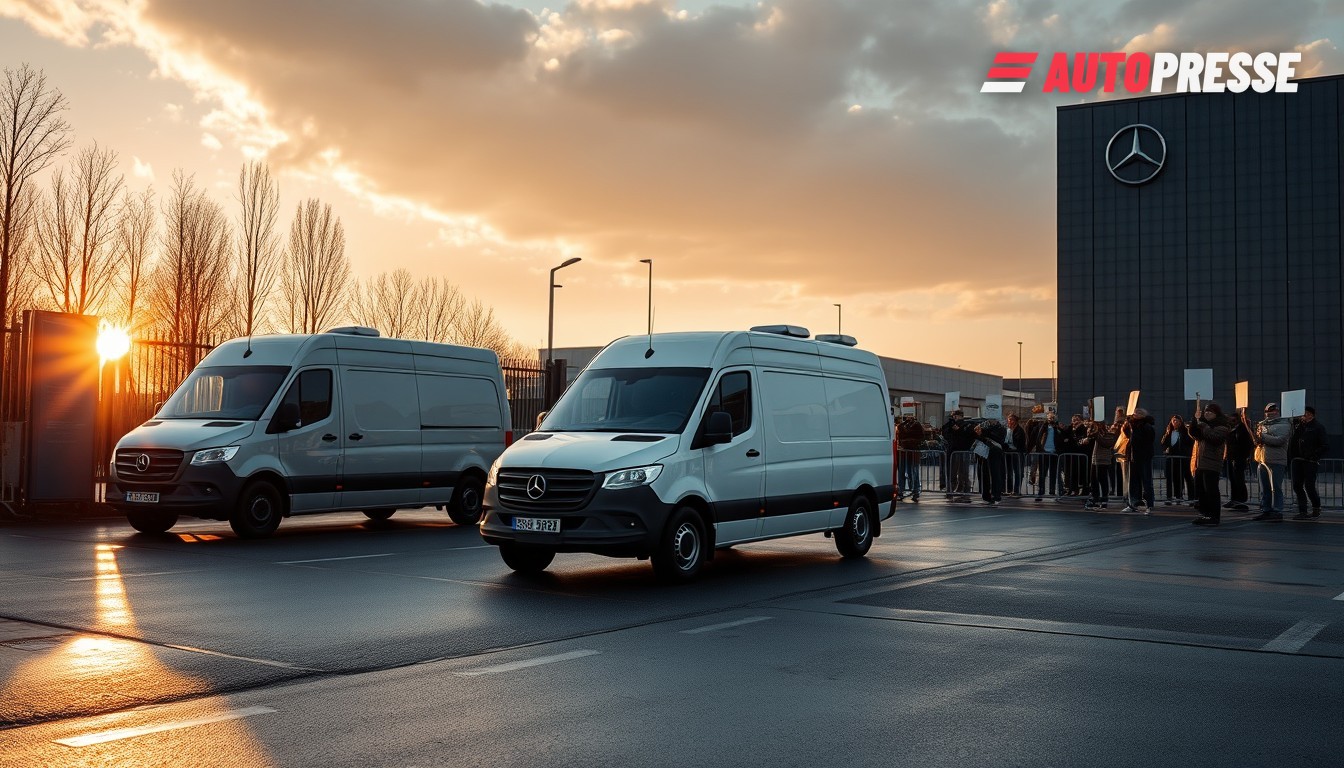
Companies directly named in reports include Audi and Mercedes‑Benz, where warning strikes took place at shifts and plants such as Mercedes’ Marienfelde facility in Berlin. Tata Steel and other suppliers also saw stoppages as IG Metall sought to raise pressure on employers to improve their offer. The union said the employer package would amount to a real‑terms pay cut and called for an expansion of industrial action; strikes were expected to continue through the week with the union planning to publish participation figures on Friday.