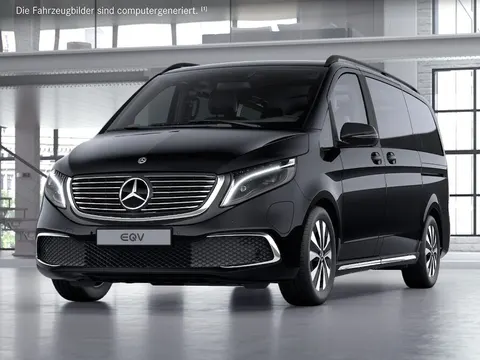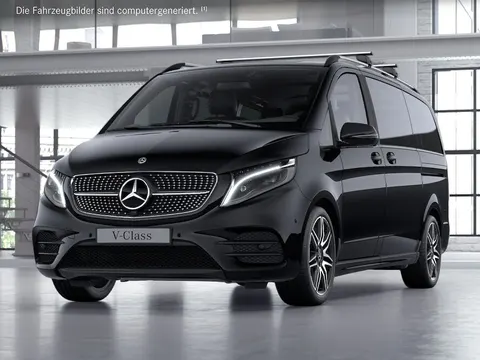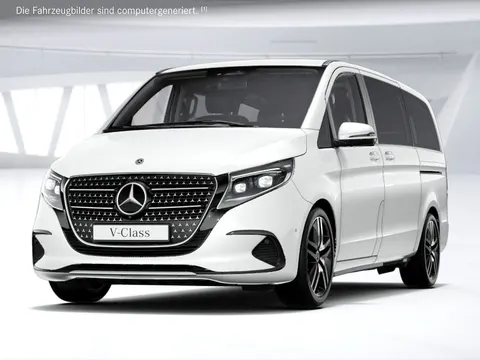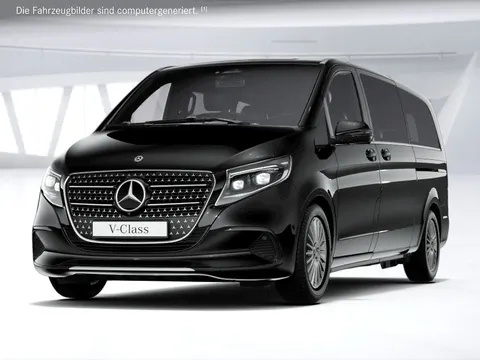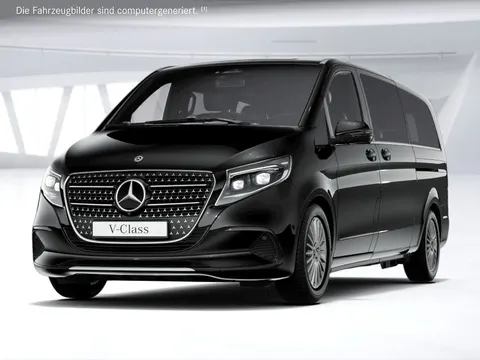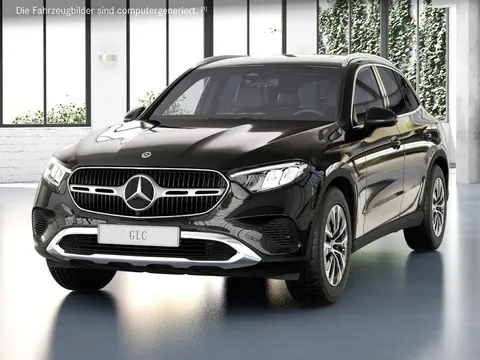
Manufacturers in Germany and Austria are sharpening their focus on software‑defined vehicles (SDVs): January’s Volkswagen–Qualcomm letter of intent for Snapdragon automotive chips signalled a move to outsourced high‑performance compute for next‑generation cars, and Mercedes’ MB.OS is now advertised as a full‑vehicle OS with over‑the‑air updates for broad domains of the car. These developments shift the technical battleground inside EVs from batteries and chargers to central computers, secure update pipelines and large‑scale validation.
Hardware, middleware and the OTA stack
OEMs are pairing new central compute hardware with mature automotive middleware and OTA orchestration. Volkswagen’s LOI with Qualcomm (announced 8 January 2026) commits the Group to Snapdragon Digital Chassis solutions for infotainment and connectivity as it builds zonal/central compute architectures. Mercedes meanwhile markets MB.OS as an "operating system" that enables regular OTA deliveries across domains. Together these moves make secure, multi‑ECU OTA orchestration and software lifecycle tools a core competitive capability.
Tier‑1 and specialist software houses in Germany are already supplying much of the middleware and lifecycle tooling: ETAS, Elektrobit, Vector and Continental are named among the companies offering basic vehicle software, middleware, and OTA platforms that OEMs need to manage updates, cybersecurity and functional‑safety validation. Industry research projects and market reports point to rapid growth: the global automotive OTA market is forecast to expand sharply over the next decade as OEMs convert product features into software services.
Validation, labs and the Austrian contribution
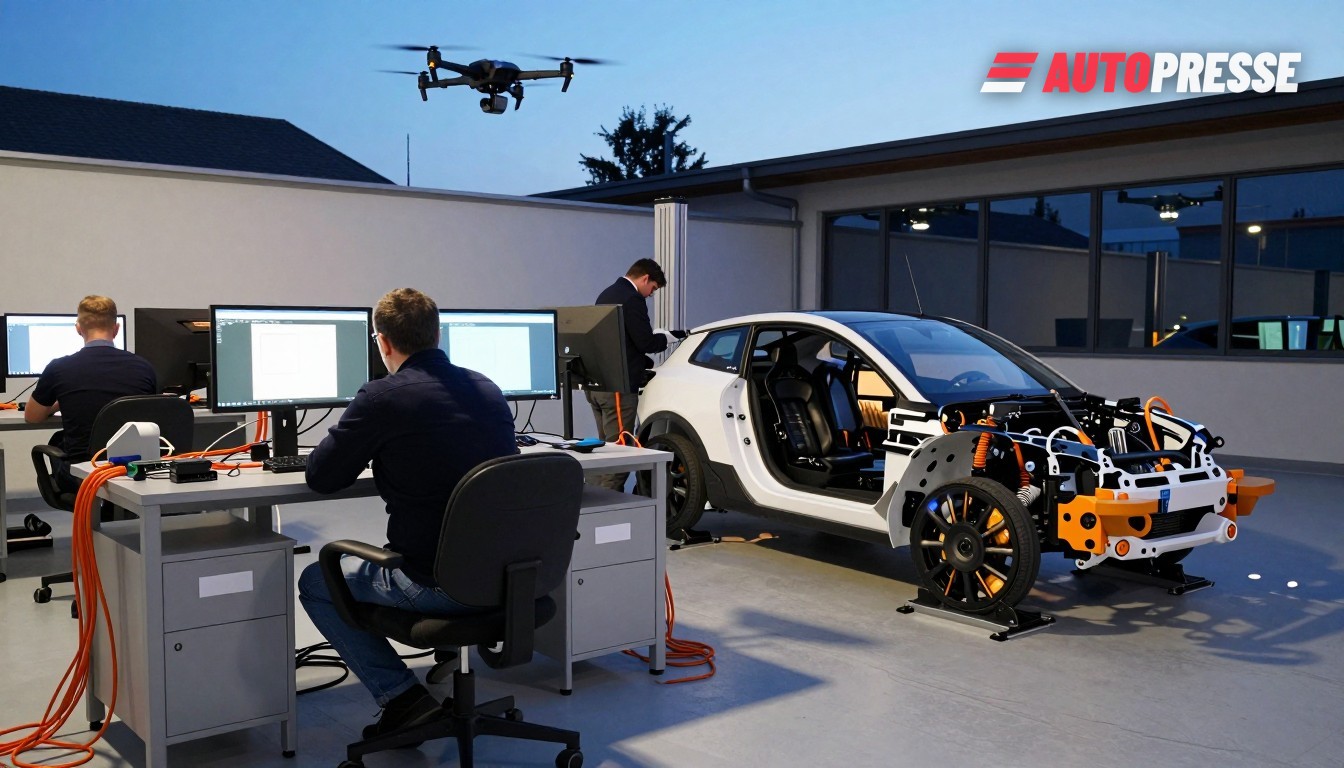
As functions migrate to software, test capacity becomes a bottleneck. AVL List — the Graz‑based powertrain and testing specialist — emphasises full‑life‑cycle test systems for batteries, inverters, e‑motors and software validation, and has expanded labs and systems to support OEM programmes. That testing muscle is important for both German OEMs and the increasing number of vehicles built in Austria: Magna Steyr’s Graz plant, for example, runs mixed production lines that now include EV programmes and so requires close integration of software and hardware validation.
Austrian component firms are also sharpening niches around power‑electronics, cooling and safety hardware that SDVs depend on: Miba’s developments for thermal management and high‑voltage resistors show how supplier R&D is aligning to software‑heavy EV platforms that rely on compact, reliable power electronics. Those parts reduce system risk during repeated OTA changes and high‑power operation.
What this means for the market
First, software becomes a primary product differentiator. OEMs that combine high‑performance compute (chips and HW), a robust OS, secure OTA pipelines and fast validation will be able to add features after sale and monetise software services. Volkswagen’s LOI with Qualcomm and Mercedes’ public MB.OS rollout show two different paths to the same goal: outsourced silicon plus in‑house or partner software ecosystems.
Second, suppliers and test houses win. Investment in labs, HIL/HIL‑to‑cloud validation and power‑electronics cooling will translate into contracts for firms such as AVL and Miba; Tier‑1s that provide trusted OTA and middleware stacks will be gatekeepers for OEMs’ software strategies.
Third, the skills gap matters. SDVs demand software engineers, cybersecurity experts and validation engineers — a challenge for OEMs and suppliers alike but an opportunity for German and Austrian technology clusters to retain higher‑value work as the industry repositions from mass hardware assembly to continuous software operations. Industry reports flag strong growth in OTA markets and the need to orchestrate multi‑ECU updates safely.
B2B vehicle marketplace for dealers on WorldTrader24 →
Sources: Volkswagen Group, Mercedes‑Benz Media, MarkLines, SDV Sector, AVL List, Magna Steyr