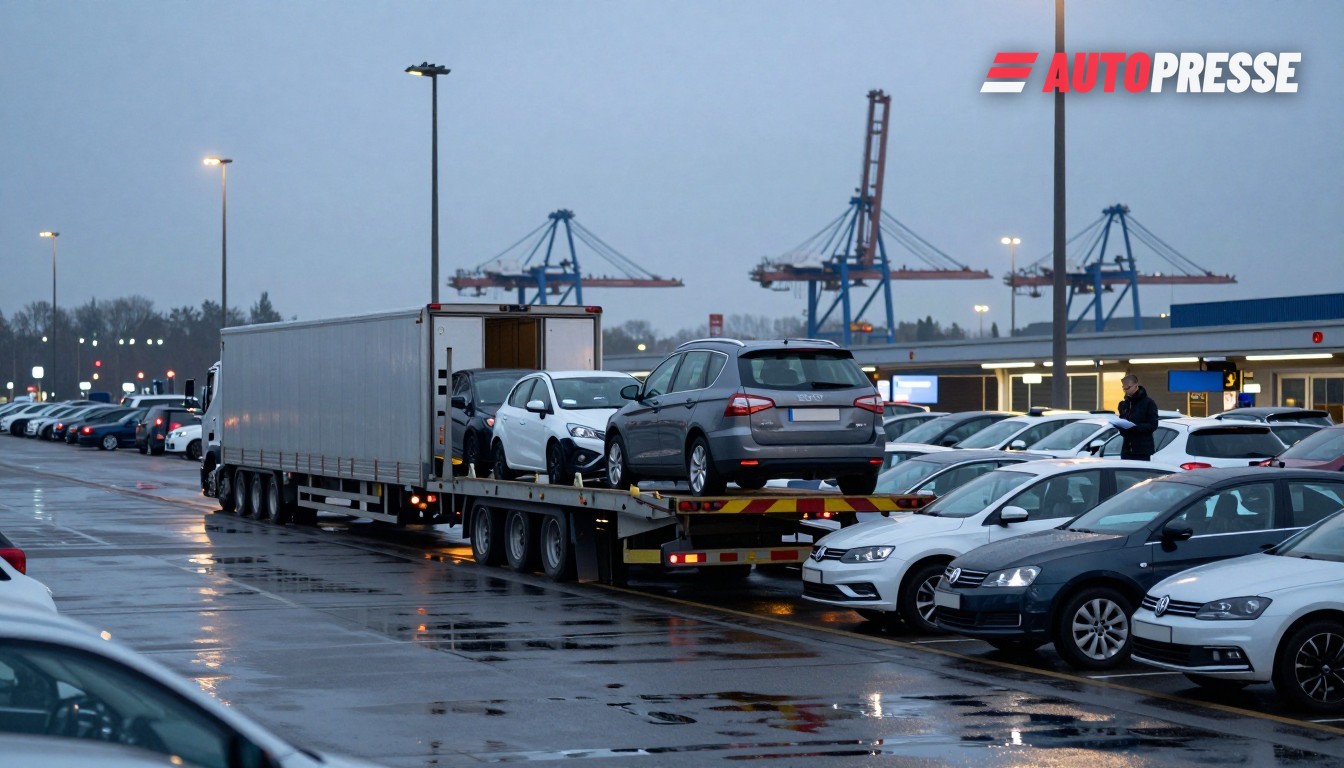
The wholesale used‑car market across Germany and Austria is moving from volatility back towards a steadier pattern — but not evenly. Recent indices show overall used prices falling month‑on‑month while battery‑electric vehicles (BEVs) have gained value year‑to‑date, a split that is reshaping remarketing plans for dealers, banks and fleet lessors.
Wholesale prices: EVs buck the slide
AUTO1’s Price Index recorded a European wholesale index of 133.2 in September 2026, down 2.3% from August and 4.9% year‑on‑year; the company reports a broad decline in petrol and diesel wholesale prices while BEV prices have risen strongly since January (AUTO1: BEV index +20.6% year‑to‑date). AUTO1 says the trend points to a “normalisation after the seasonal increase in spring.”
Germany and Austria: small falls, different mixes
ARST Data’s October 2026 Used Car Index shows the like‑for‑like picture by fuel and country. In October, Germany saw petrol and diesel prices fall by about 0.8% month‑on‑month while used EVs edged up roughly 0.5% in the same period; Austria showed a similar divergence (petrol/diesel −0.3%, electric +0.7%). Those figures are calculated net of normal ageing and compare the same make/model/year cells month to month.
At the same time, new‑car activity in the region remains substantive: Germany recorded 254,492 new passenger‑car registrations in October 2026, according to industry data based on KBA figures — a backdrop that supplies the used market with young trade‑ins and lease returns in the months ahead.
What this means for the market
For dealers and remarketers the clearest short‑term effect is a widening valuation gap inside the forecourt. AUTO1’s wholesale data show BEVs outperforming petrol and diesel on price momentum, while ARST’s country breakdown confirms the pattern in both Germany and Austria. That divergence increases the importance of matched pricing models: dealers that can source and retail high‑demand BEVs will protect margins, while those with large petrol‑heavy stocks must manage markdown risk.
Lease and fleet managers should take note: a steady stream of nearly new cars from current registrations will keep supply elevated, pressuring residuals for traditional internal‑combustion vehicles even as BEV residuals firm. In Austria, new‑car registrations rose 12.1% in the first nine months of 2026 versus the year before, adding to remarketing volumes across the border.
Finance houses and insurers will need to refine residual‑value assumptions and risk models by fuel type and market — the data now show that a one‑size‑fits‑all approach to depreciation understates BEV strength and overstates petrol exposures. AUTO1’s comment that prices are ‘‘normalising after the seasonal increase’’ underlines the value of real‑time wholesale data for pricing and sourcing decisions.
Battery electric vehicles on WorldTrader24 →
Sources: AUTO1 Group Price Index (Sept 2026), ARST Data Used Car Index (Oct 2026), VDA/KBA registrations (Oct 2026), Statistik Austria (Jan–Sep 2026)