Germany and Austria are seeing a fresh wave of investments that is shifting how goods move and are stored: from public‑backed hydrogen refuelling trials and OEM pilot trucks to specialised lithium‑ion battery warehouses and a new generation of warehouse robots and AI tools. That combination is already changing routing, safety rules and site planning for carriers, dealers and logistics real‑estate owners across both countries.
Hydrogen moves from pilots to scale planning
Industry and policy are converging in Germany around hydrogen for heavy freight. Daimler Truck says it will deploy a small series of about 100 Mercedes‑Benz NextGenH2 fuel‑cell trucks in customer operations from the end of 2026, as part of wider industry plans unveiled at IAA Transportation to accelerate hydrogen truck roll‑out in Europe. Germany’s public programmes are backing refuelling and truck projects as a complement to battery electrification.
Complementary infrastructure is appearing: H2 Mobility opened a hydrogen filling station for trucks in Langenhagen and is testing fuel‑cell vehicles in daily operations there, illustrating how trials are moving into regular logistics flows. These refuelling pilots are being financed in part by national recovery and EU resilience funds.
Specialist battery logistics and automation surge
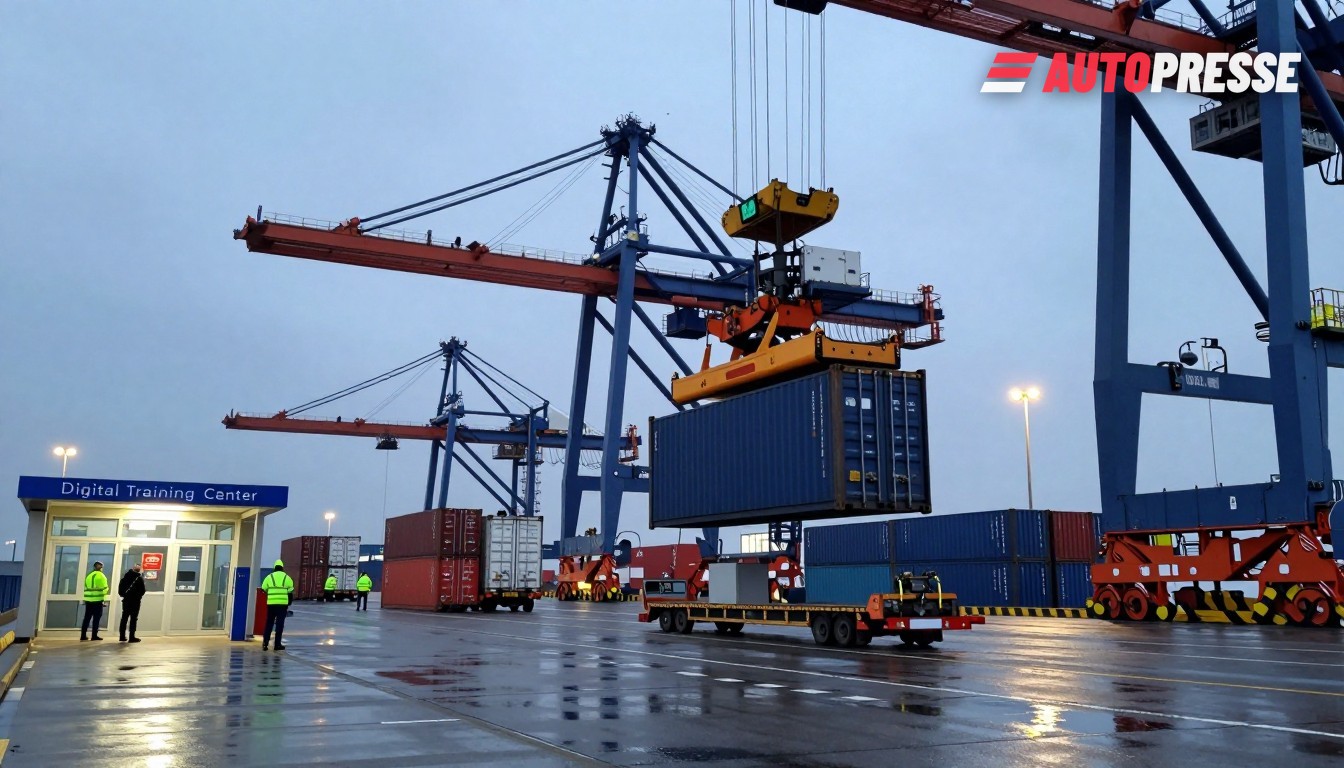
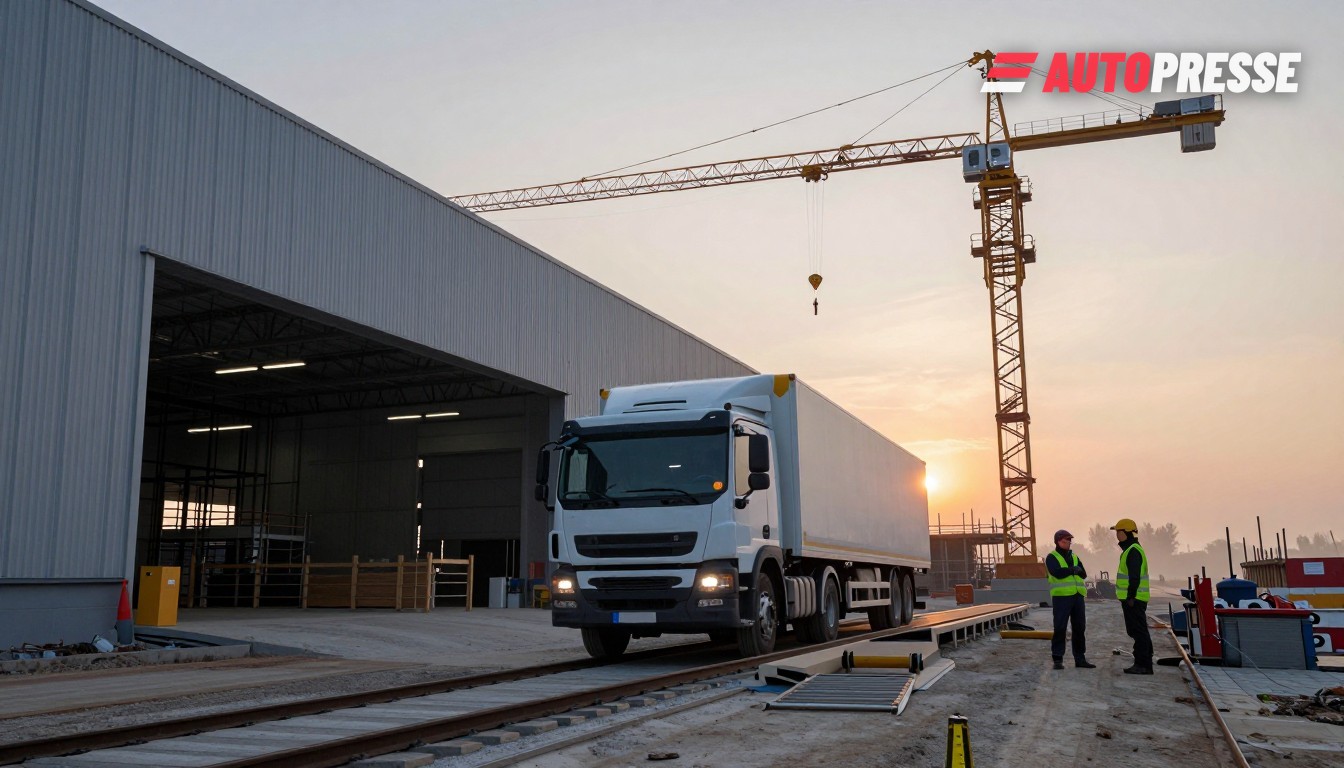
Ports and logistics operators are investing in battery‑safe warehousing. DP World started a €50 million expansion of its Wolfenbüttel chemicals hub on 11 September 2026 that includes a purpose‑built 30,000 m² lithium‑ion battery warehouse and a new rail terminal — a clear sign that battery handling is becoming a stand‑alone logistics product.
At the same time big contract logisticians and parcel groups are enlarging and automating sorting and fulfilment hubs: DHL marked a construction milestone for its new Jena‑Apolda logistics centre — a ~64,700 m² site with nearly 27,000 m² warehouse space — designed for automation and digitalisation to serve technology and aftermarket customers.
Robotics and AI are moving faster onto the shop floor: ID Logistics announced a strategic partnership (effective 1 November 2026) to explore humanoid robotics in logistics, and Körber has publicised collaborations to accelerate AI, simulation and digital‑twin tools for warehouse operations. Those moves aim to raise throughput while addressing labour shortages and ergonomics.
What this means for the market
First, carriers and fleets must plan for a multimodal near‑term reality: battery‑electric trucks, fuel‑cell tractors and synchromodal rail links will coexist on major corridors, requiring different depot designs and emergency plans. Second, logistics property demand is bifurcating — mainstream big‑box space remains vital, but specialist, fire‑safe battery storage and rail‑linked terminals command premiums and longer planning lead times. DP World’s €50m Wolfenbüttel build is an early example.
Third, automation and AI will reduce some manual roles but create demand for higher‑skilled technicians, simulation engineers and safety specialists; recent projects from DHL, ID Logistics and Körber show operators are investing now to raise efficiency and resilience.
Finally, Austria’s logistics landscape is already reacting to changing demand patterns: Austrian Post reported a challenging first nine months of 2026, noting letter volumes fell by 8.5% and the company is investing to improve performance — a reminder that parcel, warehouse and digital services are the growth vectors for postal and dealer networks in Austria.
B2B vehicle listings for dealers and fleets on WorldTrader24 →
Sources: Daimler Truck, DP World, DHL Group, Austrian Post, ID Logistics